Accessing Funds In Financial Crises: 5 Immediate Cash Sources
Discover proven strategies to secure emergency cash quickly and avoid debt traps during life's unexpected challenges.

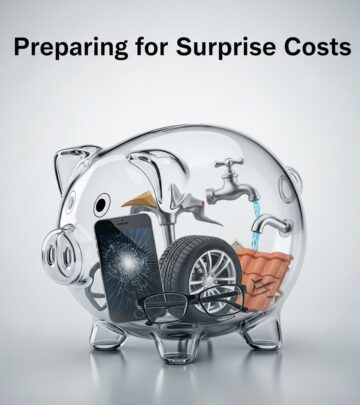
Sudden expenses like medical bills, car repairs, or job loss can disrupt even the most stable budgets. Knowing how to access emergency funds promptly without derailing your finances is crucial for maintaining stability.
Why Preparedness Matters for Sudden Shortfalls
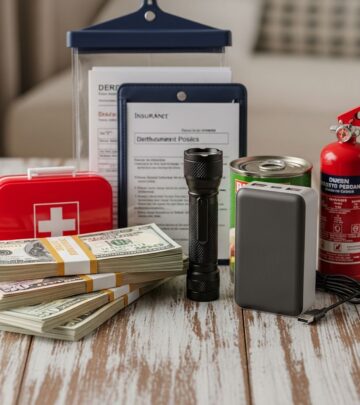
Financial emergencies strike without warning, often forcing tough choices between essential needs and accumulating high-interest debt. A well-thought-out approach allows individuals to cover costs while preserving long-term goals. Experts emphasize that proactive measures, such as maintaining liquid reserves, can prevent reliance on predatory lending.
Statistics show that nearly 40% of adults struggle to cover a $400 unexpected expense, highlighting the widespread vulnerability. Building resilience involves not just reacting to crises but anticipating them through disciplined habits.
Building Your Primary Defense: The Emergency Reserve
The cornerstone of crisis readiness is an
emergency fund
—a dedicated pool of cash for unforeseen events. Financial planners recommend saving 3-6 months’ worth of living expenses, adjustable based on job stability, family size, and location costs.To calculate your target:
- Track monthly essentials: housing, food, transport, utilities, insurance, minimum debt payments.
- Multiply by 3-6 months; for dual-income households with steady jobs, aim lower; single earners or freelancers, aim higher.
- Example: $4,000 monthly expenses x 6 months = $24,000 goal.
Store funds in high-yield savings accounts or money market funds for liquidity and modest growth, often yielding 20-25 times more than standard accounts. Automate transfers post-payday to build effortlessly.
Step-by-Step Guide to Creating Your Safety Net
- Assess Current Spending: Review 3 months of statements to pinpoint fixed (rent) vs. variable (dining out) costs.
- Set Realistic Targets: Start with $1,000, then scale to full coverage. Use windfalls like tax refunds.
- Automate Savings: Direct deposit 5-10% of income; adjust as raises occur.
- Protect the Fund: Use separate accounts to avoid temptation; replenish after use.
High earners or those with dependents may need 6-12 months’ coverage. Regularly revisit goals amid life changes like marriage or relocation.
Immediate Cash Sources When Reserves Fall Short
If your fund is inadequate, explore these ordered by cost-effectiveness:
| Option | Pros | Cons | Best For |
|---|---|---|---|
| Cash Advances from Credit Lines | Instant access, no credit check | High fees (3-5%), immediate interest | Very short-term needs |
| 0% APR Credit Cards | No interest for 12-21 months | High rates post-promo, fees | Planned repayment |
| Personal Loans from Banks | Fixed rates (6-36% APR), lump sum | Credit check required | $1K-$50K needs |
| Home Equity Lines (HELOC) | Low rates (4-8%), tax-deductible | Risk of foreclosure | Homeowners with equity |
| Government Aid Programs | Low/no cost | Eligibility limits, paperwork | Low-income qualifiers |
Prioritize options with lowest effective costs; avoid payday loans averaging 400% APR.
Credit-Based Solutions: Navigating Safely
Credit cards offer quick liquidity but demand caution. Balance transfer cards with 0% intro periods provide breathing room if paid off timely. Personal installment loans from credit unions often feature competitive rates for good credit holders.
For homeowners, a HELOC leverages property value at lower rates than unsecured debt, ideal for larger sums. Always calculate total repayment to ensure affordability.
Leveraging Assets and Community Networks
- Sell Non-Essentials: Platforms for unused items generate cash fast without debt.
- Gig Economy Work: Ridesharing or freelancing bridges gaps temporarily.
- Family/Friends Loans: Formal agreements prevent relational strain.
- Assistance Programs: SNAP, utility aid, or local food banks for basics.
Insurance claims for covered events (auto, health) reimburse quickly if documented properly.
Insurance as a Crisis Shield
Adequate coverage prevents out-of-pocket disasters. Review policies for health, auto, home, and disability—key for income protection. Umbrella policies add layers for liability risks. Gap analysis ensures no blind spots, like renters insurance for personal property.
Debt Management During Turbulence
Minimize high-interest burdens pre-crisis: consolidate, refinance, or negotiate rates. In emergencies, prioritize essentials over minimum payments to avoid spirals. Debt snowball (smallest first) or avalanche (highest interest) methods accelerate payoff.
Long-Term Strategies for Unshakable Stability
Beyond immediate fixes:
- Diversify income via side hustles or investments.
- Max tax-advantaged retirement matches first, then emergency builds.
- Conduct annual financial health checks: budget audits, net worth tracking.
Professional advisors tailor plans, optimizing taxes and estate elements.
Frequently Asked Questions
What qualifies as a true emergency?
Job loss, medical crises, major repairs—not vacations or gadgets. Reserve for survival needs.
How quickly can I build a starter fund?
$1,000 in 3-6 months by saving $50-100/paycheck via automation.
Is a 401(k) loan viable?
Possible but risky—repayment required; job loss triggers full payback. Use as last resort.
What if I’m already in debt?
Prioritize $500-1,000 mini-fund, then debt reduction while adding to savings.
High-yield savings vs. CDs?
Savings for liquidity; CDs for known timelines but penalty risks.
Key Takeaways for Financial Armor
Proactive saving trumps reactive borrowing. Start small, stay consistent, and diversify protections to weather any storm confidently.
References
- Crisis Management Financial Planning: Preparing for Unexpected Events — Carson Wealth. 2023-05-15. https://www.carsonwealth.com/insights/blog/crisis-management-financial-planning-preparing-for-unexpected-events/
- How to Start an Emergency Savings Fund — Let’s Make a Plan (CFP Board). 2024-08-20. https://www.letsmakeaplan.org/financial-topics/articles/emergency-fund/how-to-start-an-emergency-savings-fund
- Why an Emergency Fund Is Essential — Charles Schwab. 2025-01-10. https://www.schwab.com/learn/story/why-an-emergency-fund-is-essential
- Comprehensive Guide to Building an Emergency Fund — Vanguard. 2024-11-05. https://investor.vanguard.com/investor-resources-education/emergency-fund
- How to Prepare for Unexpected Financial Events — Merrill Edge. 2024-03-12. https://www.merrilledge.com/article/how-to-prepare-for-unexpected-financial-events
- An Essential Guide to Building an Emergency Fund — Consumer Financial Protection Bureau (CFPB). 2023-07-18. https://www.consumerfinance.gov/an-essential-guide-to-building-an-emergency-fund/
Similar Articles








Read full bio of medha deb