Accessing Cash from Your Credit Card
Discover safe ways to turn credit into cash, understand the high costs involved, and explore smarter alternatives for emergencies.
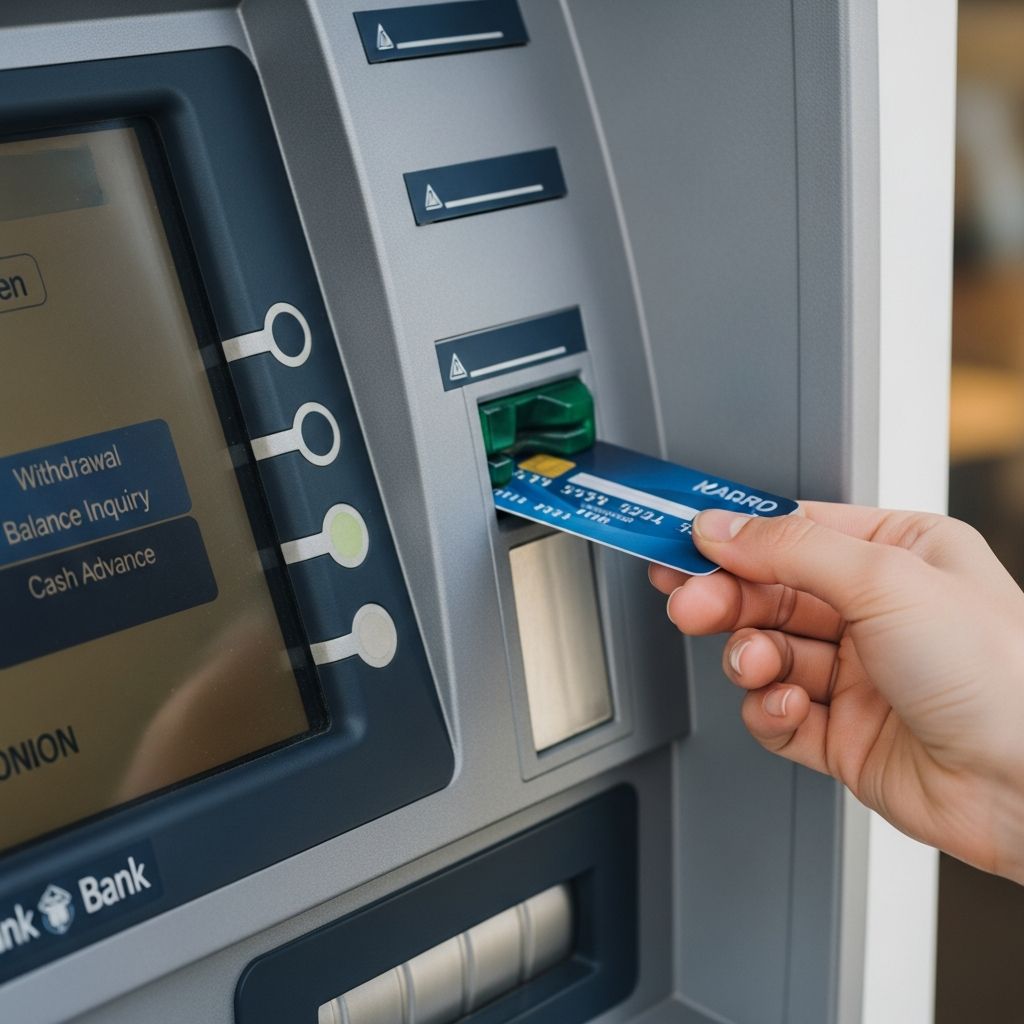
Turning a credit card into a source of immediate cash can provide quick relief during unexpected financial shortfalls, but it comes with significant drawbacks like steep fees and rapid interest accumulation. This guide breaks down the processes, costs, risks, and viable alternatives to help you make informed choices.
Understanding Credit Card Cash Advances
A
cash advance
allows cardholders to borrow against their credit line for physical cash, distinct from regular purchases due to its loan-like nature. Unlike debit transactions drawing from your bank balance, this pulls from available credit, treated as high-risk debt by issuers.Cash advances typically cap at 20-50% of your total credit limit, separate from purchase limits. For instance, on a $5,000 limit card, you might access only $1,000-$2,500 in cash. Always verify your specific limit via your statement or issuer app.
Step-by-Step: Withdrawing Cash at an ATM
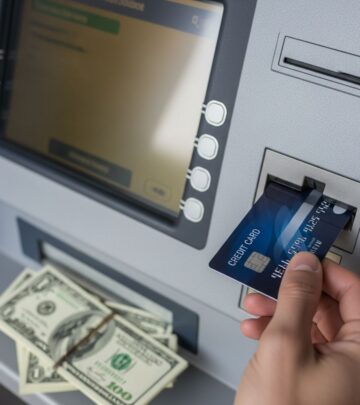
ATMs offer the most convenient method for cash advances, mimicking debit withdrawals but with added expenses. Here’s how to proceed:
- Locate an in-network ATM to minimize surcharges; out-of-network ones add $2-5 fees.
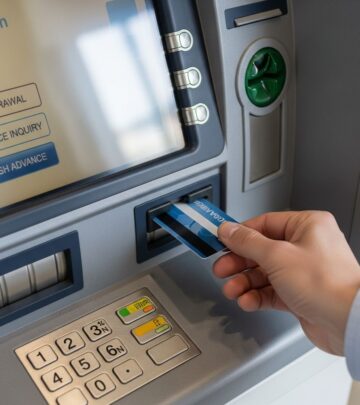
- Insert your credit card and input your PIN—if unset, request one via your issuer’s app or phone line.
- Choose ‘cash advance’ or ‘credit’ from account options, avoiding ‘checking’ or ‘debit’ selections.
- Enter the desired amount, not exceeding your cash advance limit.
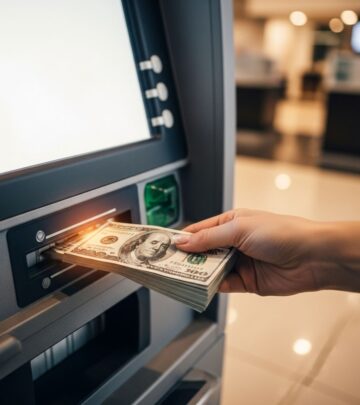
- Review and accept displayed fees before finalizing; cash dispenses immediately.
Post-withdrawal, the amount appears on your statement instantly, accruing interest from day one—no grace period applies.
Bank Teller Cash Advances: When ATMs Aren’t Ideal
For larger sums or if PIN issues arise, visit a participating bank branch. Contact ahead to confirm services for your card issuer.
- Present your credit card and government-issued photo ID, such as a driver’s license.
- Request the cash advance amount from the teller.
- Sign for the transaction and receive cash on-site, minus any flat fees.
This method avoids ATM surcharges but may involve teller processing fees. Limits still apply based on your card terms.
Convenience Checks: Another Cash Access Route
Many issuers mail
convenience checks
tied to your account, usable like personal checks for cashing at banks or depositing. These function as cash advances, incurring identical fees and interest.- Endorse and deposit into your checking account for ATM/debit access.
- Cash directly at a bank, showing ID.
- Use for bill payments, though still classified as advances.
Track these separately on statements; they’re not free money despite appearing casual.
Hidden Costs and Fees Breakdown
Cash advances erode value through multiple charges. Key expenses include:
| Fee Type | Typical Cost | Details |
|---|---|---|
| Cash Advance Fee | 3-5% or $10 minimum | Per transaction; e.g., 5% of $500 = $25. |
| ATM Surcharge | $2-5 | Charged by ATM owner, plus issuer fee. |
| Interest Rate | 25-30% APR | Higher than purchases; no grace period—interest starts immediately. |
| Foreign Transaction Fee | 1-3% | Applies abroad or non-local ATMs. |
A $300 advance might cost $15 fee + $2 ATM + ~$2 daily interest initially, ballooning if unpaid. Compare to purchase APRs (often 15-25%) for stark contrast.
Interest Mechanics: Why It Adds Up Fast
Unlike purchases with 21-25 day grace periods, cash advance interest compounds daily from withdrawal. At 28% APR, a $1,000 advance unpaid accrues ~$77 monthly—far exceeding standard debt. Payoff ASAP via minimum payments focused on advances first.
Risks to Your Credit and Wallet
Beyond costs, advances spike credit utilization, potentially dropping scores if over 30% of limits. Frequent use signals distress to issuers, risking limit cuts or denials. They offer no rewards, amplifying unprofitability.
- Debt Spiral Risk: High APRs tempt cycles if used for non-essentials.
- Overlimit Traps: Combined purchase + advance can max cards unexpectedly.
Smarter Alternatives to Cash Advances
Avoid advances when possible; consider these lower-cost paths:
- Debit Card Withdrawals: Free from your bank network—no interest or fees.
- Bank Account Transfers: Overdraft protection cheaper than 30% APR.
- Personal Loans: Fixed rates 6-36% APR, often lower for good credit.
- 0% Balance Transfers: Move debt to promo cards, pay over time fee-free.
- Borrow from Contacts: Interest-free family loans, formalized if large.
- Savings/Emergency Funds: Build 3-6 months expenses to sidestep borrowing.
For rewards, redeem
cash-back
via statement credits or direct deposits—not advances.Online and App-Based Cash Transfers
Some issuers enable digital transfers to bank accounts, bypassing ATMs. Log in, select ‘transfer to bank,’ input amount, and confirm fees. Faster than checks, same costs apply. Check app for eligibility.
Best Practices for Emergency Cash Needs
Prioritize prevention:
- Monitor limits monthly via apps.
- Set advance alerts for overspending.
- Build buffers: Aim for $1,000+ emergency savings.
- Compare issuer terms—shop lower-fee cards.
In crises, calculate total advance cost vs. alternatives before proceeding.
Frequently Asked Questions (FAQs)
Does a cash advance build credit?
No, it raises utilization, potentially harming scores short-term. Timely payoff mitigates.
Can all cards do cash advances?
Most, but verify terms; some secure cards exclude them.
What’s the cash advance limit?
Usually 20-50% of credit limit; call issuer for exact.
Are casino/gambling advances allowed?
Often restricted or higher-fee; check policy.
How to avoid cash advance fees abroad?
Use debit or local ATMs sparingly; notify issuer of travel.
Final Thoughts on Responsible Use
Credit card cash serves as a last resort—high costs demand caution. Opt for sustainable habits like budgeting apps and savings to weather storms without debt pitfalls. Review statements diligently post-advance.
References
- How To Get Cash From A Credit Card At The ATM — Bankrate. 2023-10-15. https://www.bankrate.com/credit-cards/advice/how-to-get-cash-from-a-credit-card/
- Can you Withdraw Cash From a Credit Card? — Citi. 2024-05-20. https://www.citi.com/credit-cards/understanding-credit-cards/how-to-get-cash-from-a-credit-card
- How to Get Cash From a Credit Card — Capital One. 2024-02-12. https://www.capitalone.com/learn-grow/money-management/how-to-get-cash-from-a-credit-card/
- Can I withdraw money from my credit card at an ATM? — Consumer Financial Protection Bureau (CFPB). 2023-11-08. https://www.consumerfinance.gov/ask-cfpb/can-i-withdraw-money-from-my-credit-card-at-an-atm-en-34/
- What is a Cash Advance on a Credit Card? — TD Bank. 2024-01-22. https://www.td.com/us/en/personal-banking/learning/what-is-cash-advance-on-a-credit-card
- What is a Credit Card Cash Advance and the Associated Fees? — Bank of America. 2023-12-05. https://bettermoneyhabits.bankofamerica.com/en/credit/what-is-a-credit-card-cash-advance
Similar Articles








Read full bio of medha deb