9 Ways Americans Are Spending Differently But Not Less
Americans are shifting spending patterns amid economic pressures, cutting back on some areas while splurging on experiences and indulgences.

Americans’ spending habits have evolved significantly in recent years. After a period of decline, total consumer spending is rebounding, but the allocation has shifted dramatically. Households face economic unease, inflation, and tighter budgets, prompting cutbacks in everyday essentials while splurging on select indulgences. McKinsey’s ConsumerWise research highlights declining household savings, with more consumers dipping into reserves or relying on credit to cover rising costs of necessities. Gen Z feels this pinch most acutely, cutting food spending yet prioritizing identity-driven luxuries like beauty and dining. This article examines nine key ways U.S. spending patterns are changing, backed by recent data, offering insights for navigating personal finances.
1. Less on Apparel and Goods, More on Services
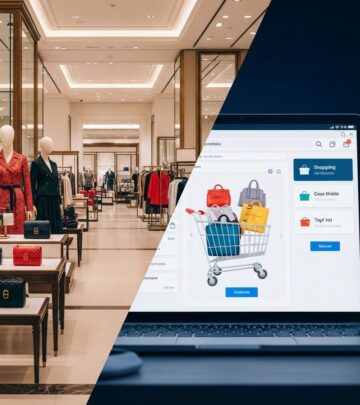
Consumers are reallocating dollars from tangible goods to intangible services. Apparel, footwear, and electronics see reduced spending intentions, especially among Gen X and Gen Z, down seasonally post-holidays. Instead, budgets flow toward experiences like travel and entertainment. High-income groups and Boomers lead travel splurges, with net intent for cruises up six points quarter-over-quarter. This shift reflects a post-pandemic preference for memories over possessions, even as overall splurge intent drops 12 points. Low-income households switch to cheaper brands 13 points more than those earning over $100K annually.
- Key Trend: Discretionary goods down; services up.
- Demographic Split: Wealthier Boomers splurge on vacations; constrained groups adapt nonessentials.
2. Dipping into Savings and Using Credit More
Household savings are eroding as one in four consumers reports greater credit card use and reduced savings allocations, up three points from prior quarters. Unexpected expenses force sales of personal items to cover bills, with necessities like utilities and food driving the squeeze. Gen Z leads this trend, reporting higher rates of savings dips and credit reliance amid fewer income gains. This behavior sustains spending levels despite financial strain, blurring lines between needs and wants.
“This is very new for us to dip into savings… the cost of our necessities is going up. So, I’m selling things that I own just to try to cover as much as I can.”
3. Cutting Back on Food and Essentials
Grocery budgets are tightening, with larger shares—especially Gen Z—reducing food spending to manage pressures. Basic items like eggs, fresh produce, and utilities see price hikes, prompting overall less spending on apparel, shoes, and vacations. This mirrors broader adaptations where low-income consumers prioritize switching to lower-priced options across categories. Yet, total spending holds steady by redirecting to affordable indulgences.
4. Splurging on Travel Despite Constraints
Travel bucks the trend: intentions to boost spending on cruises, international flights, home improvement, and gardening rise, aligning with spring planning. Gen X and Boomers show the largest increases in travel splurges. High-income Gen Z plans splurges at 76%, up 10 points. This paradox—those most worried about finances splurging most—suggests coping via “modest luxuries”.
| Category | Spending Intent Change | Leading Demographics |
|---|---|---|
| Cruises | +6 points | All groups, esp. high-income |
| International Flights | Increase QoQ | Gen X, Gen Z |
| Apparel/Footwear | Decline | Gen X, Gen Z |
5. The Lipstick Effect in Action
Small, accessible luxuries thrive: Gen Z prioritizes beauty, fashion, and dining for identity and experiences. Boomers favor travel. Overall splurge intent falls, but high-income and Gen Z buck this, with financially strained consumers paradoxically more likely to splurge on feel-good items. This “lipstick effect”—boosting minor indulgences during downturns—sustains spending volumes.
6. Generational Bifurcation Emerges
Spending splits by generation and income. Gen Z bifurcates: one subgroup cuts back severely; another maintains lifestyles via credit. Boomers with means splurge on travel; constrained ones adapt. High earners across ages plan splurges, while low-income focus on brand switches. This nuance explains why aggregate spending rises despite individual cutbacks.
- Gen Z: Food cuts + beauty splurges.
- Boomers: Travel indulgences.
- Gen X: Balanced cuts/increases.
7. Home and Garden Investments Rise
As seasons shift, spending on home improvement and gardening supplies increases across ages, similar to last year. This practical splurge offers tangible returns, contrasting fleeting goods purchases.
8. Response to Tariffs and Inflation
Facing potential tariffs, most plan spending adjustments: lower-income switch brands; higher-income resist change. Optimism about the economy mixes with household finance pessimism, especially Gen Z. Inflation concerns drive cutbacks in basics, freeing dollars for priorities.
9. Prioritizing Experiences Over Possessions
The overarching theme: a pivot to experiential spending. Fewer boosts in most leisure categories, but standout growth in cruises and flights. This sustains total outlays while adapting to constraints, with splurges defined as “beyond comfort level” treats.
Frequently Asked Questions (FAQs)
Q: Why are Americans spending more on travel amid cutbacks?
A: Travel, especially cruises and flights, sees rising intent as consumers prioritize experiences. Gen X, Boomers, and high-income Gen Z lead, using it as a coping mechanism despite strain.
Q: What is the ‘lipstick effect’ in spending?
A: It’s the tendency to splurge on small luxuries like beauty and dining during economic hardship, evident in Gen Z preferences.
Q: How does Gen Z differ in spending habits?
A: They cut food and essentials most but splurge on identity items; some dip into savings or use credit heavily.
Q: Are high-income consumers cutting back too?
A: Less so—they plan splurges and resist brand switches, unlike low-income groups.
Q: Will spending trends continue into 2026?
A: Likely, with seasonal boosts in travel/home and ongoing adaptations to inflation/tariffs.
This evolution demands smart financial habits: automate savings where possible, track shifts, and balance indulgences with buffers against rising costs. By understanding these patterns, individuals can optimize their budgets effectively.
References
- The State of the US Consumer — McKinsey & Company. 2025. https://www.mckinsey.com/industries/consumer-packaged-goods/our-insights/the-state-of-the-us-consumer
- 10 Financial Habits of People Who Save Over $50,000 a Year — AOL. 2025. https://www.aol.com/articles/10-financial-habits-people-save-183600117.html
- 9 Ways Americans Are Spending Differently (but Not Less) — Wise Bread. Pre-2025. https://www.wisebread.com/9-ways-americans-are-spending-differently-but-not-less
Similar Articles








Read full bio of medha deb