9 Things You’re Paying Too Much for Around the House
Discover everyday household items draining your budget and proven strategies to reduce costs significantly.
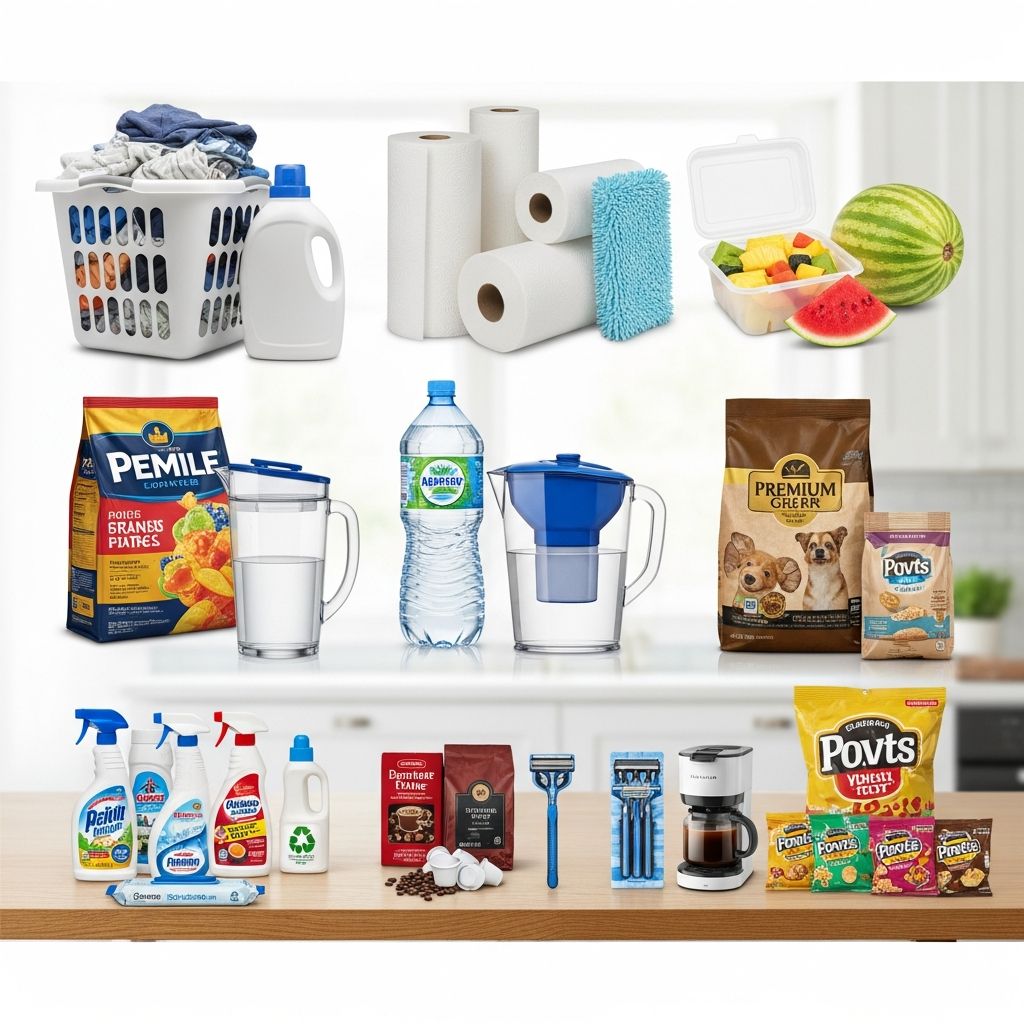
Many households fall into the trap of overspending on everyday items without realizing how much money is being wasted on products and services that could be obtained more affordably. From personal care items to household essentials, consumers often pay premium prices for products that have budget-friendly alternatives available. Understanding where your money goes and identifying opportunities to reduce spending is the first step toward building a more sustainable household budget.
The following guide explores nine common household expenses where families typically overspend and provides practical, actionable strategies to reduce costs without sacrificing quality or convenience. By making informed choices about these everyday purchases, you can redirect hundreds of dollars annually toward savings, debt reduction, or other financial goals.
1. Non-Refillable Containers and “Goop”
One of the most overlooked ways households waste money is through single-use, non-refillable containers for cleaning products, personal care items, and household supplies. Manufacturers profit significantly from convincing consumers to repeatedly purchase new containers rather than refilling them with concentrate products.
Many cleaning products, hand soaps, and other household “goop” come in expensive branded containers designed to be discarded after use. The packaging often costs more than the product itself, and companies rely on consumer convenience to justify premium pricing.
How to Save
- Purchase concentrated cleaning products that allow you to refill existing containers
- Buy generic brand refills instead of branded alternatives
- Invest in reusable containers and purchase bulk concentrates
- Make your own household cleaners using vinegar, baking soda, and water
- Shop at stores offering refill stations for common household products
2. Shampoo and Conditioner
The personal care industry capitalizes on marketing and brand loyalty, with consumers often paying inflated prices for shampoo and conditioner. Many people purchase expensive salon-quality products without realizing that drugstore alternatives frequently contain similar ingredients at a fraction of the cost.
Additionally, most people use far more shampoo than necessary with each wash. Reducing the amount used per application can extend the life of each bottle significantly, making your existing supply last longer.
Money-Saving Strategies
- Switch to budget-friendly drugstore brands with comparable ingredients
- Use less product per wash—a dime-sized amount is usually sufficient
- Consider bar shampoos and conditioners that last longer than liquid versions
- Purchase generic store brands instead of name-brand alternatives
- Look for sales and use coupons on mid-range products
- Reduce washing frequency to extend product longevity
3. Home Fragrances and Air Fresheners
Home fragrance products—including candles, air fresheners, diffusers, and room sprays—represent a category where consumers consistently overpay for luxury packaging and brand names rather than the actual product quality. Premium candle brands often charge $25 to $50 per candle despite containing inexpensive wax and fragrance oils.
The home fragrance market relies heavily on aesthetic appeal and brand perception, allowing manufacturers to maintain significantly higher profit margins than the actual cost of production warrants.
Budget-Friendly Alternatives
- Make homemade air fresheners using essential oils and water in spray bottles
- Create simmer pots with water, cinnamon sticks, citrus peels, and vanilla
- Purchase unscented candles and add essential oil fragrance yourself
- Buy budget candles from discount retailers instead of specialty stores
- Use coffee grounds, baking soda, or activated charcoal to naturally absorb odors
- Open windows for natural ventilation instead of relying on air fresheners
4. Pre-Packaged and Convenience Foods
Pre-packaged meals, ready-to-eat products, and convenience foods carry substantial markups compared to preparing meals from basic ingredients. Consumers pay premium prices for the convenience of minimal preparation time, with many families spending 30 to 50 percent more on food budgets than necessary.
The convenience food industry depends on busy schedules and the perceived value of time savings to justify prices that are often three to five times higher than homemade equivalents with identical nutritional content.
Cost-Reduction Approaches
- Meal plan and prepare ingredients at home in bulk
- Cook larger portions and freeze for convenient future meals
- Purchase whole ingredients instead of pre-cut or pre-portioned items
- Buy generic store brands of staple foods
- Shop sales and use coupons strategically
- Reduce reliance on takeout and delivery services
- Learn basic cooking skills to prepare simple, affordable meals
5. Specialty Coffee and Beverage Purchases
Daily specialty coffee purchases represent a significant accumulated expense for many households. Purchasing a single specialty beverage five days weekly costs approximately $1,300 annually—money that could be allocated toward savings or debt reduction.
The coffee shop industry capitalizes on convenience, social environment, and premium branding to charge 5 to 10 times more for beverages than homemade versions would cost.
Saving Strategies
- Invest in quality home brewing equipment that pays for itself within months
- Purchase premium coffee beans in bulk and brew at home
- Prepare specialty beverages at home using simple ingredients
- Use a travel mug to carry homemade coffee when away from home
- Limit coffee shop visits to occasional treats rather than daily habits
- Share bulk purchases with friends or family to reduce per-unit costs
6. Premium Brand Toiletries and Personal Care Products
The toiletries industry successfully markets premium products with similar active ingredients to budget alternatives, convincing consumers to pay two to three times more for identical benefits. Brands invest heavily in advertising, packaging design, and celebrity endorsements that increase prices without improving actual product performance.
Deodorant, toothpaste, razors, and other personal care items frequently contain the same effective ingredients regardless of price point, making budget alternatives equally effective choices.
Smart Shopping Tips
- Compare ingredient lists between premium and budget brands
- Purchase store-brand products with identical formulations
- Buy multipacks of razors and toiletries at discount retailers
- Use loyalty programs and store sales to reduce costs
- Research reviews to confirm budget alternatives match premium performance
- Make simple personal care products at home when possible
7. Laundry Detergent and Cleaning Supplies
Families overspend significantly on laundry products through a combination of using excessive amounts per load and purchasing premium brands. Most consumers use two to three times the recommended detergent amount, increasing costs while reducing cleaning effectiveness due to residue buildup.
The laundry industry markets premium products with minimal performance advantages over budget alternatives, relying on brand loyalty and packaging appeal to maintain price premiums.
Expense-Reduction Methods
- Use concentrated detergents requiring smaller amounts per load
- Purchase generic store brands that perform identically to premium options
- Make homemade laundry detergent using borax, washing soda, and soap
- Buy laundry products in bulk when on sale
- Measure detergent carefully and use the minimum recommended amount
- Use cold water washing to reduce energy costs while maintaining cleaning power
8. Pet Care Products and Services
Pet owners frequently overspend on branded pet foods, toys, and grooming services without realizing that budget alternatives often provide equal nutritional value and functionality. Premium pet product pricing relies heavily on emotional attachment to pets and marketing suggesting that higher prices indicate superior quality.
Many pet care expenses can be reduced through purchasing generic alternatives, doing grooming at home when possible, and making informed choices about unnecessary services.
Pet Budget Optimization
- Purchase generic pet food brands with similar nutritional profiles
- Buy pet supplies at discount retailers instead of specialty pet stores
- Groom pets at home for routine maintenance
- Make simple pet toys from household items
- Use veterinary clinics for necessary care while avoiding unnecessary services
- Purchase pet supplies in bulk when discounted
9. Premium Water and Beverage Services
Subscription water delivery services and premium beverage options represent another area where households overspend compared to simpler alternatives. Purchasing bottled water when tap water is available, or maintaining expensive water filtration subscriptions, costs significantly more than installing a single filter system.
The premium beverage industry markets convenience and perceived health benefits to justify prices that are often 100 to 1000 times higher than tap water alternatives.
Savings Opportunities
- Install a quality water filter system that provides filtered water at minimal ongoing cost
- Use refillable water bottles with tap water instead of purchasing bottled water
- Cancel premium beverage subscriptions and use homemade alternatives
- Research local water quality to determine if expensive filtration is truly necessary
- Combine household purchases with others to reduce delivery costs
Quick Reference: Estimated Annual Savings
| Household Expense Category | Typical Monthly Overspend | Annual Savings Potential |
|---|---|---|
| Non-Refillable Containers | $15-30 | $180-360 |
| Shampoo and Conditioner | $10-20 | $120-240 |
| Home Fragrances | $20-40 | $240-480 |
| Pre-Packaged Foods | $100-200 | $1,200-2,400 |
| Specialty Coffee | $50-150 | $600-1,800 |
| Premium Personal Care | $20-50 | $240-600 |
| Laundry Products | $10-25 | $120-300 |
| Pet Expenses | $30-75 | $360-900 |
| Premium Water Services | $15-40 | $180-480 |
Frequently Asked Questions
Q: Will switching to generic brands really save significant money?
A: Yes, generic brands typically cost 20-50% less than name brands while containing virtually identical ingredients and providing comparable performance. Over a year, this can add up to hundreds of dollars in savings.
Q: Is homemade cleaning products safe and effective?
A: Simple homemade cleaners using vinegar, baking soda, and water are safe and effective for most household cleaning tasks. They cost a fraction of commercial cleaners and eliminate exposure to harsh chemicals.
Q: How much can I realistically save by reducing household expenses?
A: Based on the categories discussed, households can typically save $300-$600 monthly or $3,600-$7,200 annually by implementing these strategies, depending on current spending levels.
Q: Will reducing spending on these items affect my quality of life?
A: In most cases, no. Budget alternatives provide similar quality and functionality. The primary difference is eliminating premium pricing for packaging, branding, and marketing rather than product quality.
Q: Which expense categories should I prioritize for maximum savings?
A: Focus first on pre-packaged foods and specialty coffee purchases, which typically represent the largest savings opportunities. Then address laundry products, pet care, and personal care items.
Q: How do I start implementing these money-saving strategies?
A: Begin by auditing your current household spending in each category. Select two or three areas where spending seems highest, research alternatives, and gradually transition to more economical options.
References
- Wise Bread — Wise Bread. 2024. https://www.wisebread.com/9-things-youre-paying-too-much-for-around-the-house-and-how-to-pay-less
- 30 Steps to Financial Wellness — Community America Credit Union. 2024. https://www.communityamerica.com/blog/2021/04/22/30-steps-to-financial-wellness
- 7 Unnecessary Household Expenses You Can Cut Today — Wise Bread. 2024. https://www.wisebread.com/7-unnecessary-household-expenses-you-can-cut-today
- How Not to Buy Too Much — Wise Bread. 2024. https://www.wisebread.com/how-not-to-buy-too-much
- 11 Things That Should Never Cost More Than $99 — Wise Bread. 2024. https://www.wisebread.com/11-things-that-should-never-cost-more-than-99
Similar Articles








Read full bio of medha deb