9 Things You Should Never Skimp on When Traveling
Smart travel investing: Know where to spend wisely for better trips and lasting memories.
Travel should be pleasurable, not stressful. While unexpected situations inevitably arise during journeys, most travel problems can be prevented through proper planning and strategic investment. Sometimes spending a bit more upfront makes all the difference between a memorable vacation and a frustrating ordeal. Understanding where to allocate your travel budget ensures you maximize enjoyment while minimizing preventable headaches.
1. Luggage and Travel Gear
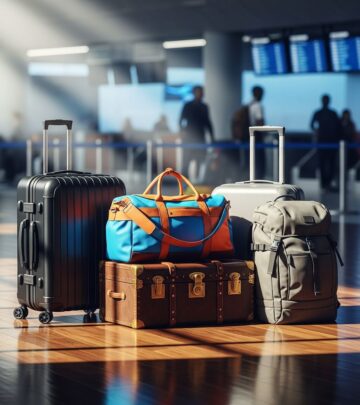
Quality luggage forms the foundation of any successful trip. Your bags must withstand the constant wear and tear of travel, including airport baggage handling, rough ground transportation, and repeated packing and unpacking. While expensive luggage doesn’t guarantee perfection, established brands with solid reputations for quality typically justify their higher price points through durability and functionality.
Investing in reliable luggage means:
- Durable materials that resist tears and damage
- Smooth-rolling wheels that function after multiple trips
- Secure locks and zippers that won’t fail mid-journey
- Better weight distribution to protect your belongings
- Longer lifespan, reducing replacement costs over time
Budget-friendly luggage might seem attractive initially, but premature damage forces costly replacements and ruins trips when bags fail unexpectedly. A quality suitcase serves you reliably for years, making it a worthwhile investment.
2. Comfortable Shoes and Proper Footwear
Comfortable footwear determines whether you enjoy exploring a destination or spend your vacation nursing painful feet. Many travelers underestimate the importance of proper shoes, leading to preventable foot pain that undermines their entire trip experience.
When selecting travel shoes, consider these essential factors:
- Break in shoes completely before traveling
- Choose supportive options designed for extended walking
- Never wear new shoes straight out of the box on heavy walking days
- Always wear quality socks to prevent blisters and discomfort
- Avoid going sockless, even with seemingly comfortable slip-ons or flip-flops
- Pack multiple shoe options for different activities
Experienced travelers consistently report that poor footwear choices resulted in painful blisters, bleeding feet, and severely limited sightseeing during their vacations. This preventable pain directly impacts your ability to explore and enjoy destinations. Quality shoes provide the comfort necessary for full-day excursions and active exploration.
3. Personal Safety Equipment and Precautions
Safety equipment protects you from preventable health emergencies while traveling. This category encompasses vaccinations, first-aid supplies, and protective gear appropriate for your destination.
Critical safety investments include:
- Proper vaccinations recommended for your destination
- Comprehensive first-aid kits containing essential medications
- Travel-specific health insurance coverage
- Emergency communication devices
- Travel safety apps and location-sharing tools
Obtaining proper vaccinations before departure can mean the difference between life and death in certain situations. If you cannot afford required vaccinations, seriously reconsider your travel plans. Medical emergencies in unfamiliar countries become exponentially more stressful and costly without proper preparation and protective measures in place.
4. Unforgettable Experiences and Activities
Experiences matter more than possessions when evaluating what you’ll remember about your travels. While unforgettable activities and guided tours sometimes carry substantial costs, they create memories that outlast any souvenir or trinket you might purchase instead.
Prioritizing experiences over material purchases involves:
- Budgeting for activities before departure
- Allocating funds for guided tours in areas of interest
- Scheduling experiences that align with your travel style
- Being willing to adjust daily budgets for unexpected opportunities
- Recognizing that some spending on activities is non-negotiable
While you can find affordable entertainment options, completely avoiding activity spending severely limits your destination experience. The joy and memories created through meaningful activities far exceed the temporary satisfaction of budget souvenirs. Strategic spending on experiences represents the true value of your travel investment.
5. Travel Insurance
Travel insurance protects you from catastrophic financial losses due to unexpected events before and during your journey. This safety net covers cancellations, medical emergencies, lost luggage, and emergency evacuations that could otherwise result in thousands of dollars in personal expenses.
Comprehensive travel insurance should address:
- Trip cancellation and interruption coverage
- Emergency medical care and evacuation expenses
- Lost or delayed luggage compensation
- Flight delay reimbursement
- Pre-existing condition coverage options
- Adventure activity protection if applicable
Skimping on travel insurance leaves you vulnerable to life-changing financial consequences. A single medical emergency abroad can exceed $100,000, a flight cancellation forces complete financial loss of non-refundable bookings, and lost luggage leaves you stranded without belongings. The relatively modest insurance premium provides invaluable protection against these serious risks.
6. Quality Medical Care
Seeking quality medical care when traveling ill prevents minor issues from becoming serious health emergencies. Hospitals vary dramatically in quality, cleanliness, and competence across different countries and regions.
When healthcare becomes necessary while traveling:
- Research quality healthcare facilities before departure
- Allocate budget for higher-quality private medical providers
- Carry travel medical insurance that covers quality facilities
- Avoid delaying treatment hoping symptoms will resolve
- Prioritize healthcare quality over cost savings
Experienced travelers who caught stomach bugs and other illnesses while abroad consistently recommend investing in quality medical care rather than relying on budget public health facilities. While public hospitals serve essential functions, private medical providers typically offer better hygiene, English-speaking staff, and more reliable diagnoses. The peace of mind and superior care justify higher medical costs while traveling.
7. Mobile Communication and Connectivity
Mobile connectivity solves countless small emergencies while providing navigation, communication, and safety assurance throughout your travels. A simple SIM card with data represents one of the most cost-effective investments you can make.
Mobile communication benefits include:
- GPS navigation when you get lost
- Communication with taxi and ride-share drivers
- Emergency contact ability with family and authorities
- Real-time translation tools for language barriers
- Access to travel maps and location information
- Ability to research nearby restaurants and attractions
Purchasing a local SIM card upon arrival typically costs only $10 to $15, yet provides invaluable service throughout your stay. The modest cost solves numerous small emergencies that could otherwise derail your travel experience. Many travelers report that mobile connectivity prevented minor issues from escalating into serious travel disruptions.
8. Safe Drinking Water
Safe drinking water prevents dehydration and waterborne illnesses that can devastate vacations. While tap water safety varies significantly across destinations, even safe tap water may have mineral compositions that upset unfamiliar stomachs.
Water safety considerations include:
- Drinking bottled or purified water in unfamiliar regions
- Maintaining consistent hydration throughout your trip
- Being especially cautious when active in hot climates
- Avoiding dehydration-related illnesses during travel
- Considering reusable bottles filled with safe water sources
Dehydration occurs easily while traveling, particularly during flights and in hot climates where activity levels increase. Even one day without adequate water leads to headaches, fatigue, and reduced sightseeing capacity. While you can reduce environmental waste by purchasing large jugs of distilled water to refill permanent bottles, the small cost of ensuring water safety prevents health problems that damage travel experiences far more than the modest expense of safe drinking water.
9. Smart Flight and Accommodation Booking
Strategic booking practices protect your investment and provide flexibility when circumstances change. While this category allows some cost-saving opportunities, certain approaches protect your money and options better than others.
Smart booking strategies include:
- Purchasing refundable flight tickets when possible
- Booking local flights from within the destination country for better prices
- Avoiding complete pre-payment of hotel accommodations
- Keeping deposits modest until confirming plans
- Not pre-booking accommodations except possibly the first night
- Allowing flexibility to find on-the-ground accommodations at better rates
While paying slightly more for refundable tickets seems wasteful, the flexibility protects you if plans change unexpectedly. Many destinations offer abundant accommodations at competitive rates for travelers willing to book locally rather than in advance. This approach balances budget consciousness with the flexibility needed when travel plans inevitably shift.
Where to Find Balance in Travel Spending
Successful travel budgeting doesn’t mean spending lavishly on every aspect. Rather, it means identifying the nine critical categories above and allocating appropriate resources while finding savings elsewhere. You can economize on souvenirs, skip expensive restaurants, and choose budget accommodations while maintaining investment in these essential areas.
The key principle involves recognizing that your travel experience quality depends far more on smart investments in fundamentals than on luxury extras. A comfortable trip with quality essentials beats an expensive luxury trip hampered by poor luggage, painful shoes, or inadequate preparation.
Frequently Asked Questions About Travel Spending
Q: Is travel insurance really necessary?
A: Yes, travel insurance provides essential protection against catastrophic expenses. Medical emergencies, trip cancellations, and lost luggage can cost thousands of dollars without insurance coverage. The modest premium protects your overall travel investment.
Q: How much should I spend on activities and experiences?
A: Budget for activities before departure based on your interests and budget. Experiences create lasting memories that justify their costs. Many travelers find allocating 20-30% of their travel budget to activities provides a good balance.
Q: Can I save money on luggage without sacrificing quality?
A: Look for reputable brands during sales periods or consider second-hand options from reliable sellers. While quality luggage costs more, it lasts for many trips, ultimately providing better value than repeatedly replacing cheap bags.
Q: What if I can’t afford proper vaccinations?
A: Contact public health departments about low-cost vaccination programs. Many offer sliding-scale fees or free services. Avoiding required vaccinations creates serious health risks that make reconsidering your travel plans prudent.
Q: Is bottled water necessary in all destinations?
A: While tap water is safe in many developed countries, its mineral composition may upset unfamiliar stomachs. When traveling internationally, purchasing safe drinking water prevents dehydration and illness that would damage your vacation far more than modest water costs.
Q: How do I find affordable but quality medical care while traveling?
A: Research private clinics and hospitals in your destination before departure. Your travel insurance should cover quality providers. Ask hotel staff or tourism agencies for reliable recommendations rather than seeking the cheapest options.
Q: Should I always book accommodations in advance?
A: Book only your first night if arriving late, then explore accommodation options locally. Many destinations have abundant affordable lodging available for same-day booking at better rates than advance reservations, providing flexibility and potential savings.
References
- 9 Things You Should Never Skimp on When Traveling — Wise Bread. 2025. https://www.wisebread.com/9-things-you-should-never-skimp-on-when-traveling
Similar Articles








Read full bio of Sneha Tete