9 Items Every New Doggy Parent Should Own
Essential gear for new dog owners: Equip your home with these 9 must-have items to ensure your pup thrives happily and healthily.
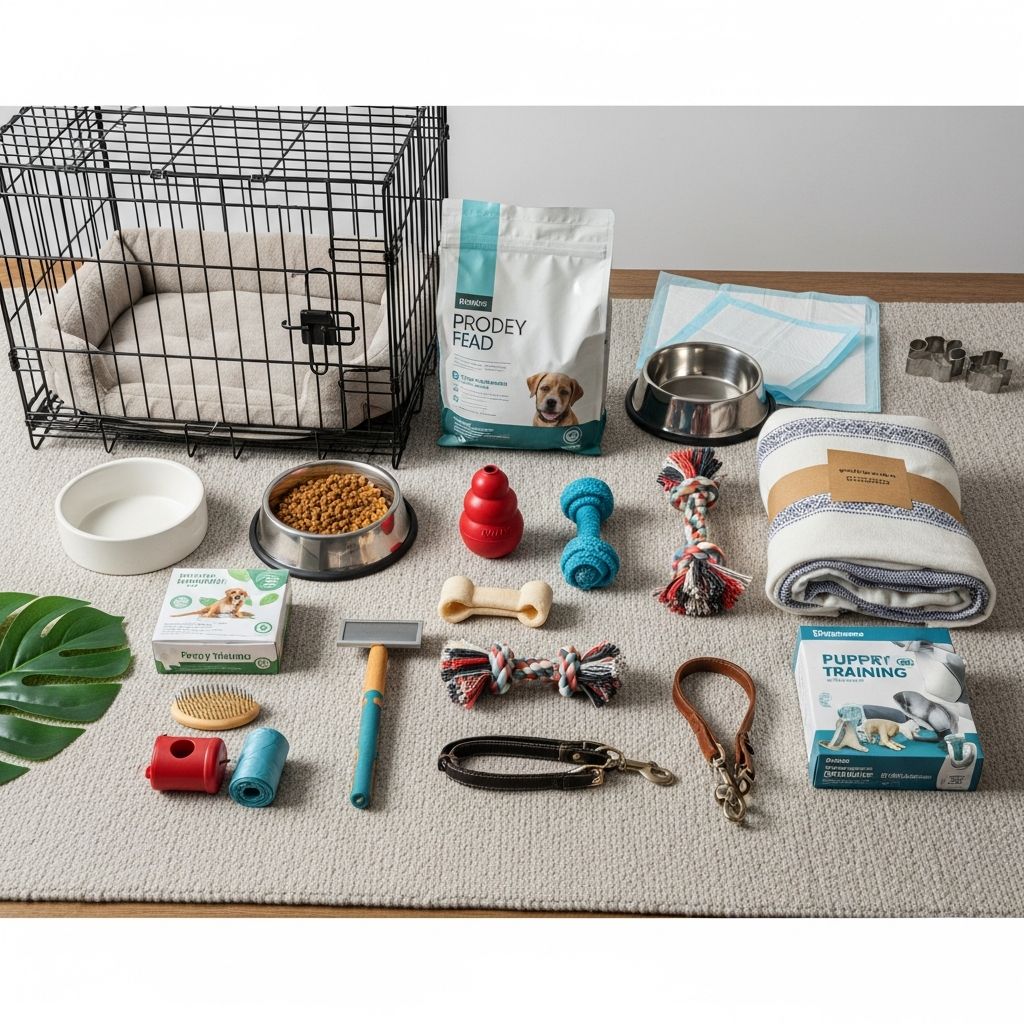
Bringing home a new dog is an exciting adventure filled with tail wags, playful antics, and a few inevitable messes. But to set both you and your pup up for success, you need the right essentials on hand from day one. This guide outlines the
9 critical items
every new doggy parent should own, drawing from expert recommendations by veterinarians, trainers, and experienced pet parents. These aren’t just nice-to-haves—they’re foundational for training, health, comfort, and safety. Whether you’re welcoming a bouncy puppy or a gentle senior dog, stocking up on these will ease the transition and foster a strong bond.We’ve prioritized items that address immediate needs like feeding, housebreaking, grooming, and enrichment, while keeping budgets in mind. Many are available affordably at pet stores, online retailers, or even big-box stores like Costco. Let’s dive into each essential, with tips on selection, usage, and why it matters.
1. High-Quality Dog Food
The cornerstone of your dog’s well-being starts with
food
. Transition smoothly by beginning with the exact brand and formula your dog ate at the shelter, rescue, or breeder. Abrupt changes can cause digestive upset, especially during the stress of a new home. Stock enough for at least two weeks—aim for 20-30 pounds depending on your dog’s size—to avoid running out during adjustment.Consult your vet for the best long-term choice: puppy formulas for growth, senior blends for joint health, or grain-free options for allergies. Look for AAFCO-approved kibble with real meat as the first ingredient. Wet food can supplement for picky eaters, but dry kibble supports dental health. Pro tip: Measure portions daily to prevent obesity, a common issue in pet dogs per veterinary guidelines.
2. Sturdy Food and Water Bowls
Dogs need reliable vessels for meals and hydration, but not just any bowl will do. Opt for
stainless steel bowls
—they’re durable, bacteria-resistant, and easy to sanitize, unlike plastic which harbors germs and scratches easily. For puppies or fast eaters, choose elevated or slow-feeder designs to promote healthy digestion and prevent bloat, a life-threatening condition in deep-chested breeds like Great Danes.Size matters: large for big dogs to hold ample water (they need 1 ounce per pound of body weight daily), shallow for flat-faced breeds like Pugs. Add a
rubber mat
underneath to stop sliding and spilling, turning mealtime into a mess-free zone. Place bowls in a quiet, stable spot away from high-traffic areas.3. Crate, Pen, or Baby Gates
A
crate or exercise pen
is indispensable for house training, safety, and downtime. Crates mimic a den, leveraging dogs’ natural instinct to keep sleeping areas clean—perfect for potty training puppies who can hold it for one hour per month of age plus one. Choose wire crates with dividers for growing pups; soft-sided for travel.For larger spaces, freestanding pens or adjustable baby gates confine your dog safely when unsupervised, protecting them from stairs, kitchens, or chewable temptations like electrical cords. Gates with doorways allow easy access. Introduce gradually with treats to make it positive; never use as punishment.
4. Leash, Collar, Harness, and ID Tags
Before pickup day, have a
6-foot leash
, collar or harness, and engraved ID tags ready. Collars suit most adults; harnesses prevent tracheal damage in pullers or small breeds. Nylon or eco-friendly options like hemp are chew-resistant and adjustable.Tags should list your phone number—microchips are great backups but require scanners. A GPS tracker like Whistle adds real-time location for escape artists, crucial as new dogs often bolt when spooked. Practice loose-leash walking from day one for stress-free outings.
5. Cleaning Supplies and Enzyme Cleaners
Accidents happen—it’s not if, but when.
Enzyme-based cleaners
like Nature’s Miracle break down urine proteins, eliminating odors that attract repeat marking. Pair with dedicated rags or paper towels; never use ammonia, which smells like urine to dogs.Stock
poop bags
for walks (biodegradable Earth Rated are eco-friendly) and pee pads for apartments or seniors with incontinence. A rubber mat under bowls catches spills. Clean daily to maintain hygiene and reinforce house rules.6. Grooming Kit: Brush, Nail Clippers, and Wipes
Regular grooming prevents mats, infections, and overgrown nails. A
breed-appropriate brush
—slicker for long coats, pin for fluffy, rubber for short—removes loose fur weekly, reducing shedding on furniture. Addnail clippers or grinder
for quick trims; dull nails cause pain and slipping.**Pet wipes** clean muddy paws post-walk, while shampoo/conditioner and ear cleaner tackle baths and yeast prevention. Start handling paws early for vet-visit ease. Even pros groom at home sometimes!
7. Comfortable Dog Bed
Every dog deserves
their own bed
—a sanctuary for rest, away from your furniture. Orthopedic foam suits seniors or heavy breeds; chew-proof Kuranda for destroyers; bolstered for curlers. Washable covers simplify laundry.Place near your sleeping area initially for security, transitioning to a permanent spot. Rotate with blankets if budget-tight, but dedicated beds boost confidence and curb separation anxiety.
8. Chew Toys, Treats, and Enrichment
Bored dogs chew shoes; occupied ones thrive. Stock
20-30 toys
—Kongs stuffed with peanut butter, puzzle feeders, ropes—in rotation for novelty. Subscription boxes deliver variety affordably.**Durable chews** like bully sticks satisfy teething pups safely. Training treats (soft, pea-sized) reward potty success or sits. Mental games tire more than walks, curbing barking and digging.
9. Travel Gear: Carrier, Stroller, or Collapsible Crate
For vet trips or outings, small dogs need
soft carriers
; large ones,collapsible crates
. Wagons or strollers aid mobility-challenged pups. Train early for car rides with baby wipes for spills.Pee pads inside prevent messes. These make adventures accessible, strengthening your bond.
Bonus Tips for New Doggy Parents
- Budget: Core 9 items cost $200-400; shop sales or secondhand crates.
- Vet visit first week: Check health, vaccines, spay/neuter.
- Training classes: Socialize early.
- Patience: Adjustment takes 3 days, 3 weeks, 3 months.
Frequently Asked Questions (FAQs)
Q: How soon should I transition food?
A: Wait 7-10 days, mixing gradually over a week per vet advice to avoid tummy troubles.
Q: Best crate size?
A: Large enough for adult standing/turning, but not oversized to encourage soiling.
Q: Puppy vs. adult needs?
A: Pups need more toys/pee pads; adults prioritize beds/harnesses.
Q: Eco-friendly options?
A: Hemp collars, biodegradable bags, recycled beds abound.
Q: Nail trimming tips?
A: Clip 1-2mm past quick; use styptic powder for bleeds. Practice young.
References
- Everything You Actually Need When You Get a New Dog — Kinship. 2023. https://www.kinship.com/dog-lifestyle/what-do-you-need-to-get-a-dog
- What to buy before adopting a badass dog — Wellness Grind. 2023. https://www.wellnessgrind.com/new-dog-checklist/
- New Puppy Checklist: Gear You’ll Need for Your New Dog — Bitch New York. 2023. https://bitchnewyork.com/blogs/where-dog-run-meets-runway/new-puppy-checklist-gear-you-ll-need-for-your-new-dog
- 20 Puppy Essentials Every First-Time Pet Parent Needs — PureWow. 2023. https://www.purewow.com/family/puppy-essentials
Similar Articles








Read full bio of Sneha Tete