9 Items City-Dwelling Dudes Should Keep in Their Bags
Essential everyday carry items for urban men to stay prepared, safe, and stylish in the city hustle.
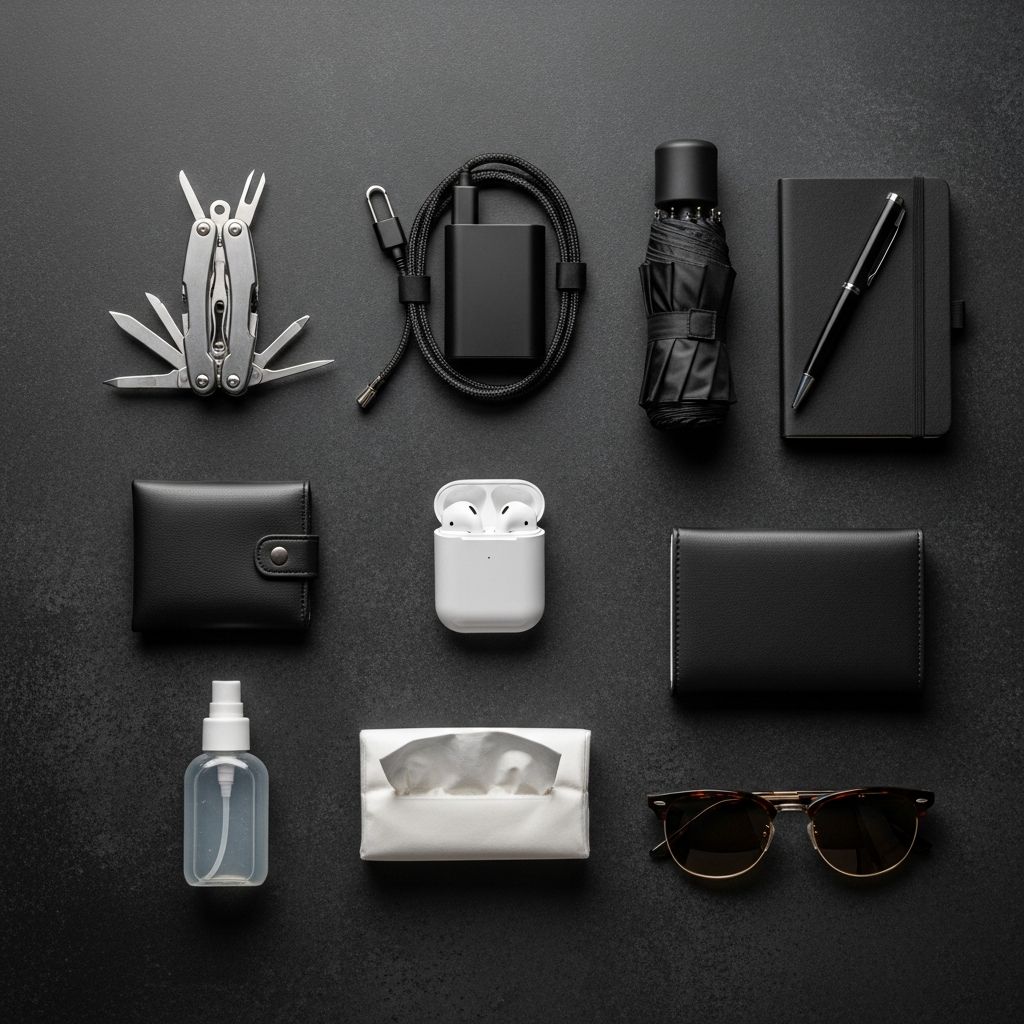
Navigating the concrete jungle demands preparedness. City life brings unpredictable challenges like sudden rain, minor injuries, or public transit mishaps. For urban men, a well-stocked bag isn’t just convenient—it’s a lifeline. This guide details nine essential items to carry daily, blending practicality, safety, and subtle style. Drawing from frugal living principles, these picks are affordable yet versatile, helping you avoid unnecessary expenses on taxis, meds, or replacements.
Whether commuting by subway, biking through traffic, or grabbing coffee in a crowded café, these items ensure you’re self-reliant. We’ve expanded on each with real-world uses, why they matter in cities, and tips for integration into your routine. Total cost? Under $100 for quality versions. Let’s dive into the list that keeps city dudes one step ahead.
1. Multi-tool or Swiss Army Knife
The
multi-tool
reigns supreme as the urban man’s best friend. Compact and versatile, it handles everything from opening packages to tightening loose bike screws. In a city where you’re constantly on the move, a pocket-sized tool like a Leatherman or Victorinox Swiss Army Knife replaces bulky alternatives.Key features to seek: pliers, knife blade, screwdriver, bottle opener, and scissors. TSA-compliant versions fold neatly without exceeding blade limits for commuters. Urban scenarios include fixing a seatbelt in a rideshare, cutting zip ties on deliveries, or even trimming a hangnail mid-meeting.
- Why essential: Cities amplify small problems—loose eyeglass screws or sealed blister packs become crises without tools.
- Pro tip: Attach to your keychain for grab-and-go access. Cost: $20–$50.
- Alternatives: Credit card-sized tools for ultra-minimalists.
According to emergency preparedness guidelines, multi-tools are staples in go-bags for quick fixes.
2. Cash (Small Bills and Coins)
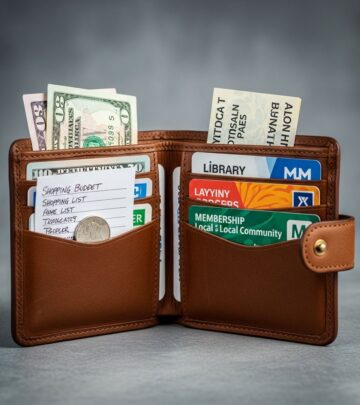
Never rely solely on plastic or apps in cities prone to outages or cash-only vendors. Carry
$50–$100 in small bills
($1s, $5s, $10s) and coins for vending machines, laundromats, or street food. Urban blackouts, like New York’s 2003 event, render cards useless.Stash in a hidden pocket or dummy wallet to deter pickpockets—a tactic recommended for travel safety. Use it for tips, buses without card readers, or emergencies like jump-starting a stranger’s phone hotspot.
- Security boost: RFID-blocking wallets protect against scanners in crowds.
- Frugal hack: Rotate cash weekly to earn interest in your account instead.
Pre-paid debit cards complement cash for budgeting, limiting theft exposure.
3. Backup Charger or Power Bank
Your phone is your city lifeline—maps, calls, payments. A
10,000mAh power bank
ensures it never dies during long days. With urban events draining batteries (GPS, photos), this prevents isolation.Opt for Anker or similar with fast-charge and multiple ports. Real uses: powering through delays, live-streaming protests, or calling rides post-event. Compact models fit slim bags without bulk.
| Power Bank Feature | Benefit for City Use |
|---|---|
| 10,000mAh capacity | 2–3 full phone charges |
| USB-C/PD | Compatible with latest devices |
| Built-in cables | No extra clutter |
Pair with a short cable to minimize bag space.
4. Water Bottle (Collapsible or Insulated)
Hydration fights city fatigue. A
collapsible silicone bottle
(like Vapur) or insulated Hydro Flask holds 20–32oz, refilling at fountains to save $3+ daily on drinks.Bonus: doubles as a hot coffee holder or ice pack for sprains. Cities like San Francisco mandate public fountains; use them. Environmentally, it cuts plastic waste amid urban sustainability pushes.
- Health angle: Prevents dehydration in subways or heatwaves.
- Cost savings: Pays for itself in a week.
5. First-Aid Kit (Mini)
Blisters from walking, cuts from trash pickup—a
mini first-aid kit
with bandages, antiseptic wipes, tweezers, pain relievers, and hydrocortisone is vital. Customize in a Ziploc: add allergy meds, blister plasters.Urban density means quick accidents; self-treat to skip ER waits. Include hand sanitizer and wipes for post-subway hygiene.
- Essentials list: Band-Aids (various sizes), Neosporin, ibuprofen, tweezers, medical tape.
- Upgrade: Add SAM splint for twists.
Every emergency bag needs these basics.
6. Umbrella or Poncho (Compact)
Weather flips fast in cities. A
100g travel umbrella
(like Repel Windproof) or packable poncho beats soaked commutes and ruined outfits.Ventilated designs resist gusts near skyscrapers. Ponchos cover bags too. Savings: dry clothes mean no $15 dry-cleaning.
7. Snacks (Non-Perishable)
Hunger strikes mid-commute. Pack
energy bars, nuts, or jerky
(e.g., Kind bars, trail mix). Stabilizes blood sugar, avoids $10 impulse buys.Choose high-protein for satiety. Rotate to prevent staleness. Ideal for protests, strikes, or long waits.
8. Notebook and Pen
Digital fails;
a pocket notebook
(Moleskine or Rite in the Rain) and reliable pen capture ideas, directions, or contacts. Waterproof versions survive rain.Uses: jotting WiFi passwords, sketching routes, or leaving notes. Enhances mindfulness amid screens.
9. Duct Tape (Mini Roll) or Paracord
**Mini duct tape** (on a card) or 10ft paracord fixes gear tears, bundles cables, or marks spots. Infinite hacks: hem pants, secure shoes.
Paracord’s 550lb strength suits emergencies like tourniquets (last resort).
Bonus Tips for Your City Bag
Choose a versatile bag: messenger or backpack with compartments. Test-pack like trial runs for trips. Layer: wallet, keys, phone in quick-access spots.
- Weight check: Under 10lbs for all-day carry.
- Maintenance: Weekly refresh snacks, check batteries.
- Customization: Add sunglasses, lip balm for personal needs.
Integrate with RFID protection and dummy wallets for security.
Frequently Asked Questions (FAQs)
Q: What’s the minimum budget for these 9 items?
A: Around $75–$120 for durable basics, lasting years with care.
Q: Can I carry a knife on public transit?
A: Check local laws; opt for non-locking blades under 4 inches in most cities.
Q: How do I pack without bulk?
A: Use pouches, roll items, prioritize multi-use gear like paracord over singles.
Q: Are power banks allowed everywhere?
A: Yes, under 100Wh; airlines limit to 2 per bag.
Q: What if I’m a cyclist or runner?
A: Swap umbrella for rain cover; add tire patch kit to first-aid.
Why This EDC Matters for Urban Men
City dwelling tests resilience. These items foster independence, slashing impulse spends and stress. From test-packing insights to emergency essentials, they’re battle-tested. Customize to your commute—office worker? Prioritize notebook. Night owl? Extra snacks.
Embrace the prepared mindset: less reactive, more proactive. Your bag becomes an extension of capability, turning urban chaos into controlled flow.
References
- Test Packing: Doing A Trial Run Before The Big Move — Man vs Debt. 2010 (relevant for timeless packing strategies). https://manvsdebt.com/test-packing-doing-a-trial-run-before-the-big-move/
- 13 Essentials Every Emergency Bag Should Have — Wise Bread. N/D (core emergency prep standards). https://www.wisebread.com/13-essentials-every-emergency-bag-should-have
- Beyond the Travel Wallet: Protecting Your Personal Finances Away — Allianz Travel Insurance. N/D (updated security practices). https://www.allianztravelinsurance.com/travel/planning/travel-wallet.htm
Similar Articles








Read full bio of Sneha Tete