9 Child Care Purchases You Should Never Skimp On
Essential safety gear and products for your child's well-being that demand quality over cost-cutting.
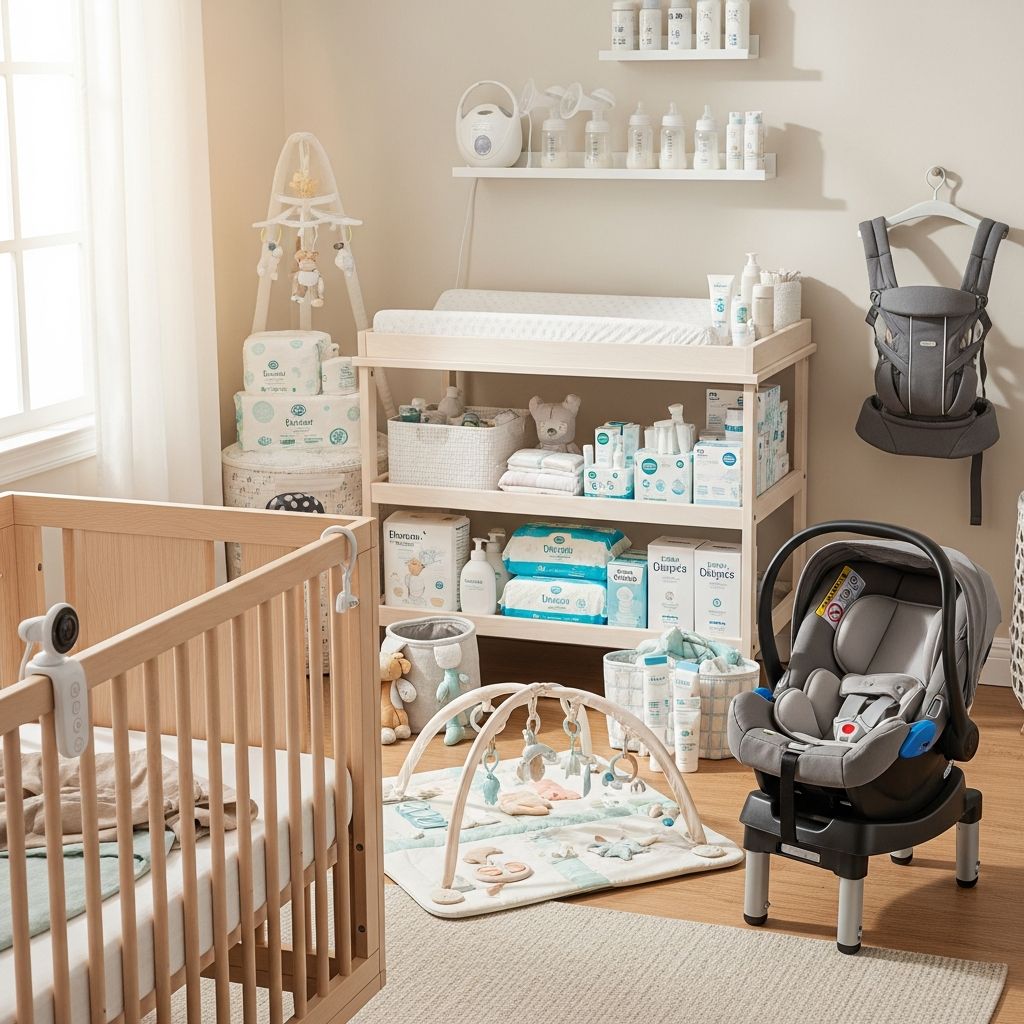
Parenting comes with skyrocketing expenses, with average weekly daycare costs hitting $321 per child, up 13% from 2022, forcing many families to dip into savings or make major life changes. Amid this financial pressure, it’s tempting to cut corners on baby gear. However, certain child care purchases demand uncompromising quality to ensure safety and long-term reliability. This article outlines the nine essential items where skimping could lead to disaster, backed by safety standards and real-world risks.
1. Car Seats
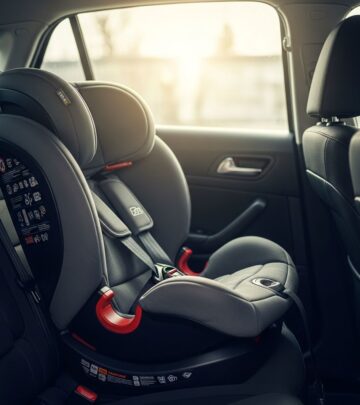
**Car seats top the list** because they are literal lifesavers in accidents. A subpar car seat might fail crash tests or lack proper harness systems, endangering your child. According to the National Highway Traffic Safety Administration (NHTSA), properly installed car seats reduce fatal injury risk by 71% for infants and 54% for toddlers. Opt for seats meeting federal standards with high crash-test ratings from independent testers like Consumer Reports.
Invest in convertible seats that grow with your child, featuring side-impact protection and easy installation via LATCH systems. Avoid off-brand imports without certification labels. Real parents report cheap seats breaking harness clips within months, while premium models like Graco or Britax endure years of use. The lifetime cost savings from durability outweigh initial expense, especially since children outgrow stages quickly.
- Check for JPMA certification and NHTSA compliance.
- Register for recalls—over 5 million seats recalled yearly.
- Professional installation at fire stations prevents 80% of misuse errors.
2. Cribs
Quality cribs provide a safe sleep environment, preventing Sudden Infant Death Syndrome (SIDS) risks from poor construction. The Consumer Product Safety Commission (CPSC) mandates slat spacing under 2-3/8 inches and drop-side bans after deadly entrapments. Skimping on cheap cribs often leads to recalls for lead paint or weak spindles that collapse under weight.
Choose solid hardwood cribs convertible to toddler beds, with adjustable mattress heights. Greenguard-certified options minimize off-gassing chemicals harmful to infants’ lungs. Parents share horror stories of bargain cribs with sharp edges or loosening screws, while sturdy models like Delta Children last through multiple kids. Pair with firm, fitted mattresses—no pillows or blankets until age one.
| Feature | Why It Matters | Red Flags in Cheap Cribs |
|---|---|---|
| Slat Strength | Prevents breakage | Thin, flexible wood |
| Finish | Non-toxic | Chipping paint |
| Assembly | Secure fit | Loose hardware |
3. Baby Monitors
Reliable baby monitors offer peace of mind, alerting to cries, movements, or breathing issues. Low-end models suffer from fuzzy video, short battery life, or interference, missing critical alerts. Advanced video monitors with night vision, two-way audio, and app connectivity ensure constant vigilance, especially for sleep training or co-sleeping families.
Look for DECT 6.0 audio tech for crystal-clear sound without static, and Wi-Fi models with secure encryption to prevent hacking scares reported in budget devices. Features like temperature sensors and humidity alerts help maintain ideal nursery conditions (68-72°F). While basic audio suffices initially, video scales for multiples.
4. Strollers
A durable stroller navigates daily errands safely, with strong frames resisting tipping and all-terrain wheels handling urban or park paths. Cheap strollers often have flimsy brakes, pinching fabrics, or collapsing handles, risking falls. JPMA-certified strollers pass rigorous durability tests.
Modular systems like Uppababy Vista accommodate newborns to toddlers with reversible seats and bassinet options. Five-point harnesses and hand brakes prevent runaways on hills. Long-term, quality strollers retain resale value, recouping 50-70% of cost on marketplaces.
5. High Chairs
Stable high chairs prevent spills and injuries during mealtimes. Wobbly legs or inadequate straps on bargain models lead to topples, with ER visits spiking for feeding accidents. Opt for chairs with passive restraints, wide bases, and dishwasher-safe trays.
Convertible designs evolve into toddler boosters, extending usability. Brands like Stokke Tripp Trapp support proper posture for spinal health, unlike plastic knockoffs cracking under weight.
- Weight capacity: 50+ lbs.
- Easy-clean materials resist bacteria.
- Foldable for small spaces.
6. Baby Gates
Pressure-mounted or hardware-fixed gates block stairways and rooms, averting falls that cause 75% of gate-related injuries in under-5s per CPSC. Cheap gates swing open unexpectedly or have squeeze gaps. Choose JPMA-certified gates with auto-close features and non-climb designs.
Expandable models fit odd spaces; tall extensions for climbers. Avoid accordion-style gates with V-shapes trapping necks.
7. Childproofing Kits
Comprehensive kits secure cabinets, outlets, and drawers against curious hands. Incomplete kits leave vulnerabilities, leading to poisonings (over 50,000 yearly) or shocks. Invest in magnetic locks, outlet plugs, and corner guards from trusted makers like Safety 1st.
Customizable sets cover whole homes, with tamper-proof installations. Regular checks ensure integrity as kids grow craftier.
8. Bottles and Feeding Gear
BPA-free bottles with anti-colic vents prevent gas and reflux. Poor seals leak, wasting formula costing $1,200 yearly. Wide-neck designs ease cleaning, reducing bacterial risks per AAP guidelines.
Silicone nipples mimic breastfeeding flow; slow-flow options for newborns. Sterilizers ensure hygiene amid rising illness concerns.
9. Diaper Bags
Functional diaper bags organize essentials for outings, with insulated pockets keeping bottles cold and wipes moist. Flimsy bags tear, spilling diapers everywhere. Waterproof, multi-compartment backpacks like Skip Hop double as everyday totes.
Capacity for 2-3 days’ supplies; changing pad attachments. Stylish options appeal to parents balancing fashion and function.
Frequently Asked Questions (FAQs)
Q: How much should I budget for these essential child care items?
A: Expect $1,500-$3,000 initially, but durability saves long-term amid $321 weekly care averages.
Q: Are second-hand car seats safe?
A: No—avoid due to unknown crash history; buy new for recalls and expiration (6-10 years).
Q: What’s the ROI on quality baby gear?
A: High resale (50%+), multi-child use, and injury prevention outweigh costs.
Q: How to spot certified products?
A: Look for JPMA seal, CPSC labels, and ASTM standards on packaging.
Q: Can employer benefits offset costs?
A: Yes—dependent care FSAs reimburse up to $5,000 pre-tax annually.
References
- Childcare Expenses Have Skyrocketed…Here’s How Parents Can Cope — HerMoney. 2024. https://hermoney.com/connect/childcare-expenses-have-skyrocketedheres-how-parents-can-cope/
- Cribs and Infant Products Business Guidance — Consumer Product Safety Commission (CPSC). 2023-10-15. https://www.cpsc.gov/Business–Manufacturing/Business-Education/Business-Guidance/Cribs
- Gate and Door Safety — Consumer Product Safety Commission (CPSC). 2024-05-20. https://www.cpsc.gov/s3fs-public/Gates-and-Doors.pdf
- Infant Formula Preparation and Storage — American Academy of Pediatrics (AAP). 2024-01-10. https://publications.aap.org/pediatrics/article/153/1/e2023064603/196195
- Car Seats and Booster Seats — National Highway Traffic Safety Administration (NHTSA). 2025-09-01. https://www.nhtsa.gov/equipment/car-seats-and-booster-seats
Similar Articles








Read full bio of medha deb