8 Ways Social Media Tricks You Into Spending More
Discover how social media platforms manipulate your spending habits through impulse buys, influencers, FOMO, and more—learn to protect your wallet today.
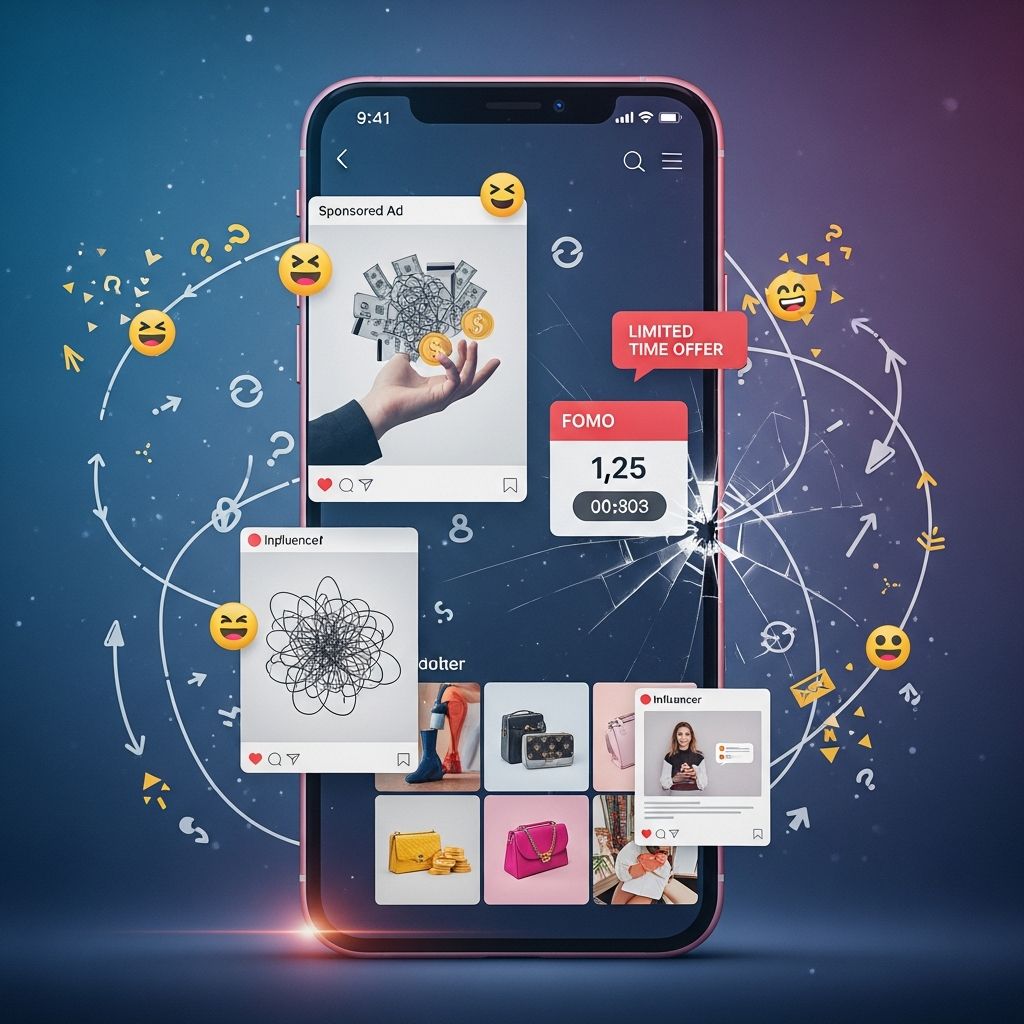
Social media has become a daily habit for billions, with global users averaging 141 minutes per day on platforms like Instagram, TikTok, and Facebook. While it connects us, it also masterfully drives spending. A Bread Financial study reveals 79% of consumers making guilty-pleasure purchases are swayed by social media, especially YouTube (47%), Facebook (44%), Instagram (41%), and TikTok (39%). This article breaks down the eight key tactics platforms and brands use to empty your wallet, drawing from consumer trends and financial research. Arm yourself with awareness to shop smarter.
1. Impulse Buys
Scrolling feeds bombards you with shoppable posts and one-click buys, turning casual browsing into instant purchases. Platforms like Instagram and TikTok integrate seamless checkout, reducing friction from decision to delivery. This exploits the brain’s reward system, where dopamine from likes and notifications mirrors shopping highs.
Consider TikTok’s in-app shopping: videos showcase products in seconds, prompting buys before rational thought kicks in. A Federal Reserve study notes millennials and Gen Z favor social commerce, estimating U.S. sales at $40–90 billion in 2022, fueled by impulse. To counter, implement a 24-hour rule: add to cart, wait a day, then reassess.
- Pro Tip: Disable one-click purchasing on apps.
- Stat Alert: 58% of millennials learn about products via social over search.
2. Suggested Posts
Algorithms curate ‘suggested’ content that feels organic but is often sponsored. These posts appear as recommendations, blending ads with real user content to lower defenses. Facebook’s ‘Suggested for You’ or Instagram’s Explore page prioritizes high-engagement promoted items tailored to your past likes and views.
This tactic leverages recency and relevance: if you searched for running shoes, expect athletic gear suggestions endlessly. Research shows such native ads boost click-through rates by 2.5x over traditional banners. Break the cycle by curating your feed—mute shopping accounts and prioritize value-follows like finance educators.
Gen Z reports 68% TikTok influence on guilty buys, highlighting suggested videos’ power.
3. Those Sneaky Influencers
Influencers build parasocial relationships—fake intimacy that feels like friend advice. Sponsored posts glamorize products, often undisclosed via #ad. Influencer marketing yields $5.78 ROI per $1 spent, making it a brand favorite.
From lifestyle vloggers to micro-influencers, they showcase ‘must-haves’ that trigger envy. A Kansas City Fed analysis flags risks in Gen Z’s reliance on social for finance and shopping advice. Vet influencers: check disclosure, cross-reference reviews on trusted sites, and question if their life requires that $200 gadget.
- Red Flags: Vague ‘gifted’ mentions, overly polished ‘real life’ demos.
- Savings Hack: Follow anti-consumerism creators for balance.
4. FOMO
Fear Of Missing Out (FOMO) amplifies via limited-time deals and flash sales shared in stories. ‘Only 3 left!’ or ’24-hour sale’ creates urgency, pushing buys you don’t need. Stories disappear in 24 hours, mimicking scarcity.
Social proof intensifies: seeing friends snag deals makes you fear exclusion. Bread Financial data ties this to convenience-driven overspending. Combat FOMO by auditing needs monthly—list essentials vs. wants—and unsubscribe from sale alerts.
5. An Expanded Social Circle
Your network grew online, exposing you to aspirational lifestyles. High school acquaintances flaunt vacations, gadgets, and hauls, sparking ‘keeping up’ spending. Platforms amplify this via friend suggestions and group shares.
Studies show social comparison drives 39% of young adults to seek finance tips online, often leading to mimicry buys. Curate connections: unfollow triggers, engage with frugal communities. Remember, feeds show highlights, not debts.
6. Endless MLMs from Old Friends
Multi-Level Marketing (MLM) schemes flood feeds from distant contacts peddling supplements, makeup, or oils. Emotional pitches like ‘helping a friend’ mask recruitment pyramids. 99% of MLM participants lose money, per FTC data, yet social normalizes them.
Block politely, report spam, and educate: if it promises easy riches, it’s suspect. Platforms profit from these posts via engagement.
7. Hyper-Targeted Ads
Ads use your data—searches, likes, location—for pinpoint accuracy. Visited a site? Expect retargeting across platforms. Facebook’s tools allow niche targeting, as noted in Wise Bread insights.
This feels personal, boosting conversion. Sprinklr reports efficient CPMs on Meta platforms. Opt out of tracking, use ad blockers, and clear cookies weekly.
8. Social Proof and Bandwagon Effect
Likes, shares, and reviews create bandwagon pulls: ‘Everyone’s buying!’ User-generated content validates purchases. TikTok’s 2.5%+ engagement fuels viral trends.
Question popularity: viral doesn’t mean valuable. Research independently via official sources.
How to Protect Your Wallet from Social Media Tricks
Reclaim control with these strategies:
- Set Spending Limits: Use app budgets or bank alerts.
- Time Blocks: Limit scrolling to 30 min/day.
- Track Triggers: Journal impulse urges and patterns.
- Frugal Feeds: Follow saving tips, unsubscribe shops.
- ROI Mindset: Ask: ‘Does this align with goals?’
| Tactic | Platform Example | Counter Strategy |
|---|---|---|
| Impulse Buys | TikTok Shop | 24-Hour Wait |
| Influencers | Instagram Reels | Check #Ad |
| FOMO | Stories Sales | Needs Audit |
| Targeted Ads | Opt-Out Tracking |
Frequently Asked Questions (FAQs)
Q: How much does social media influence spending?
A: 79% of guilty-pleasure buyers cite social media, with TikTok leading for Gen Z at 68%.
Q: What’s the average daily social media time?
A: 141 minutes globally, 2+ hours in the US.
Q: Are influencers trustworthy?
A: Often not—vet disclosures and ROI claims; marketing yields high returns for brands.
Q: How to reduce impulse buys?
A: Disable one-click, wait 24 hours, track habits.
Q: Why hyper-targeted ads work?
A: They use your data for relevance, outperforming generic ads.
By recognizing these tricks, you spend intentionally. Platforms evolve, but awareness endures. Stay vigilant in 2026’s social landscape.
References
- Bread Financial Financial Secrets Survey 2024 — Bread Financial. 2024-03-26. https://newsroom.breadfinancial.com/financial-secrets-survey-2024
- Social Media for Personal Finances: A New Trend for Millennials and Gen Z — Federal Reserve Bank of Kansas City. 2023. https://www.kansascityfed.org/research/payments-system-research-briefings/social-media-for-personal-finances-a-new-trend-for-millennials-and-gen-z/
- 25 Key Social Media Marketing Statistics for 2025 — Sprinklr. 2025. https://www.sprinklr.com/blog/social-media-marketing-statistics/
- 8 Ways Social Media Tricks You Into Spending More — Wise Bread. N/A. https://www.wisebread.com/8-ways-social-media-tricks-you-into-spending-more
- How social media sites are making you spend more — Wise Bread. N/A. https://www.wisebread.com/node/1342092
Similar Articles








Read full bio of Sneha Tete