Travel Warnings: 8 Critical Alerts You Shouldn’t Ignore
Heed these critical travel advisories to protect your safety, avoid disruptions, and ensure a smooth journey abroad.
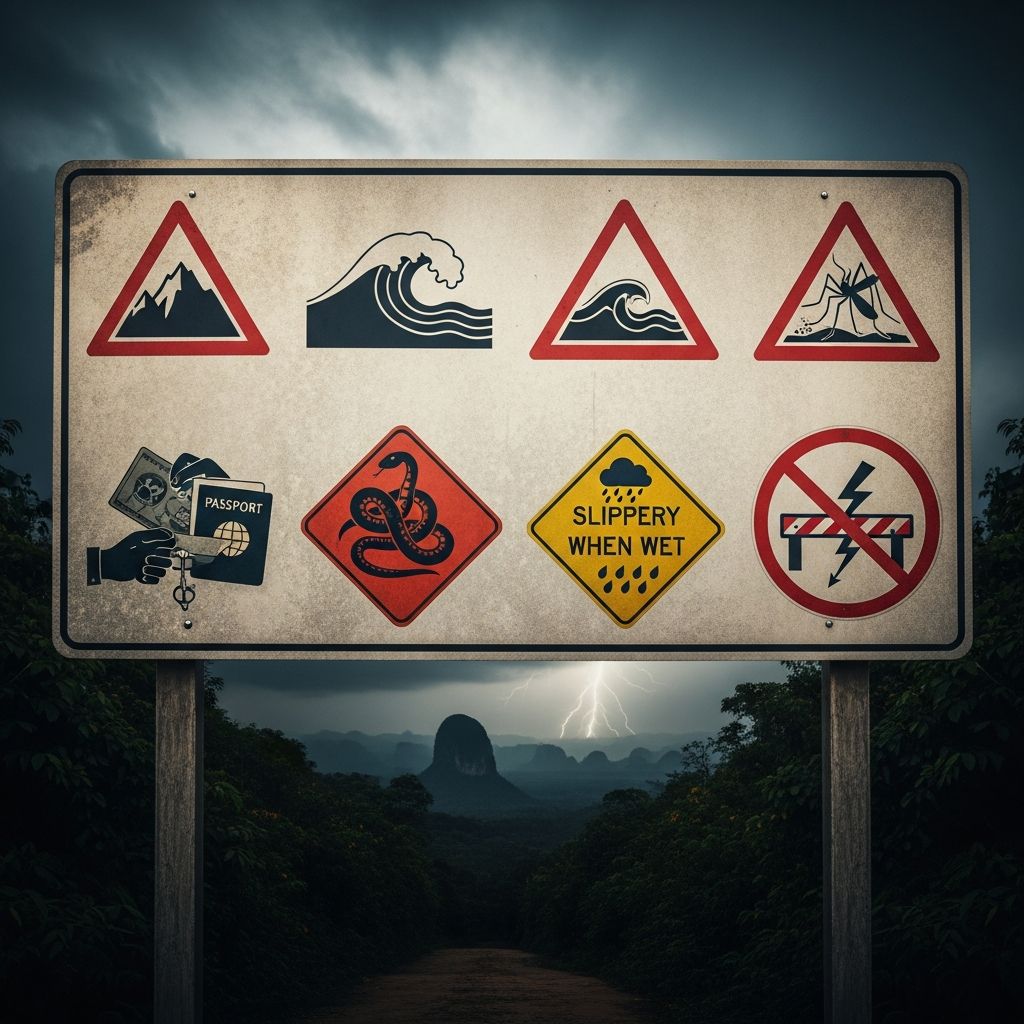
Traveling opens the world to incredible experiences, whether for vacation, business, or family visits. However, unseen dangers can derail plans, cause financial loss, or threaten life. Government agencies, airlines, and health organizations issue travel warnings weeks in advance. Ignoring them risks everything from grounded flights to personal harm. This article details eight critical warnings you must heed, drawing from official sources like the U.S. State Department and CDC. Always check travel.state.gov and CDC Travel before booking.
1. Extreme Weather
Extreme weather tops the list of unavoidable yet predictable threats. Hurricanes, blizzards, floods, and heatwaves can ground planes, destroy roads, and endanger lives. For instance, a tropical storm can cancel flights for days, stranding travelers without refunds if uninsured.
Mother Nature doesn’t negotiate. If forecasts predict severe conditions at your destination, postpone or reroute. Airlines and governments issue alerts via apps and websites. Travel insurance often covers weather-related cancellations, but prevention saves hassle.
- Check forecasts: Use NOAA or local meteorological services 7-10 days out.
- Monitor advisories: State Department flags weather-impacted regions.
- Plan flexibly: Book refundable tickets for high-risk seasons like hurricane periods (June-November in Atlantic).
In 2024, Hurricane Helene disrupted U.S. Southeast travel, canceling thousands of flights. Proactive checks prevent such nightmares.
2. Civil Unrest and Political Upheaval
In stable regions, daily life feels secure, but global hotspots simmer with protests, coups, or elections turning violent. The U.S. State Department advises ‘reconsider travel’ to places like Venezuela, Sudan, and DRC due to unrest and crime.
Tourists caught in riots face looting, tear gas, or worse. Curfews, roadblocks, and airport closures follow. If essential travel can’t wait, hire local guides for safe routes and no-go zones.
| High-Risk Country | State Dept Level | Main Risks |
|---|---|---|
| Democratic Republic of Congo | Level 4: Do Not Travel | Civil unrest, crime, armed groups |
| Venezuela | Level 4: Do Not Travel | Political instability, wrongful detention |
| Sudan | Level 4: Do Not Travel | Ongoing conflict, terrorism |
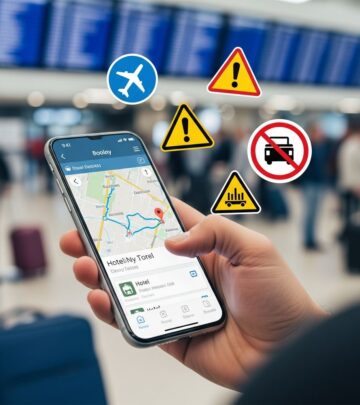
Follow news via BBC or Reuters for real-time updates. Apps like Grounded or TripIt integrate alerts.
3. Health and Disease
Modern medicine fights diseases, but outbreaks abroad hit unprepared travelers hard. Check CDC’s destination pages for vaccines, risks like malaria, yellow fever, or emerging viruses.
Examples: Malaria surges in Brazil, yellow fever outbreaks, MERS in the Arabian Peninsula (over 2,000 cases since 2017). Listeria or other foodborne illnesses lurk too. Vaccinate early—some require 10+ days for immunity.
- Required vaccines: Yellow fever for parts of Africa/South America.
- Recommended: Hepatitis A/B, typhoid for most developing nations.
- Prophylactics: Malaria pills for endemic areas.
Pregnant travelers or immunocompromised should avoid high-risk zones. Pack DEET repellent, hand sanitizer. CDC’s 2025 updates emphasize mpox and avian flu vigilance.
4. Terrorism
Post-9/11, terrorism persists in unstable regions. State Department lists Level 4 ‘Do Not Travel’ for Afghanistan, Iran, Iraq, Libya, North Korea, Somalia, South Sudan, Syria, Yemen due to attacks.
Level 3 ‘Reconsider’ includes Pakistan, Burkina Faso, Chad, Lebanon. Threats evolve—check weekly. Avoid crowds, western hotspots, transport hubs in risky areas.
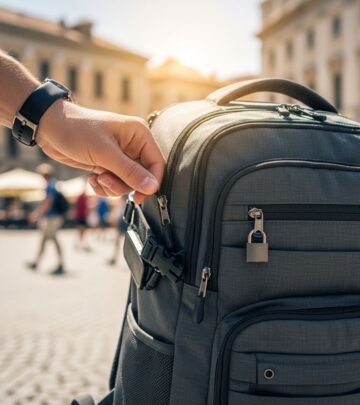
Terror groups target tourists for impact. Use situational awareness: Vary routines, secure belongings, report suspicions.
5. Crime and Personal Safety
Petty and violent crime plagues tourist areas worldwide. Pickpocketing in Europe, express kidnappings in Latin America, scams everywhere. Women and solo travelers face heightened risks like assault.
State Department notes high crime in Mexico (certain states), South Africa, Brazil. Precautions:
- Don’t flash wealth—use hotel safes.
- Avoid isolated areas at night.
- Use rideshares over street taxis.
- Copy documents, leave originals secured.
Register with STEP (Smart Traveler Enrollment Program) for alerts and embassy aid.
6. Airline Issues
Often overlooked, airline troubles—strikes, IT failures, mechanical woes—ruin itineraries. Check carrier alert pages: Delta, United, etc., post real-time updates.
2023 saw mass cancellations from crew shortages, system crashes (e.g., Southwest meltdown). Book with flexible policies, monitor 48 hours pre-flight.
| Airline | Alert Page Example | Common Issues |
|---|---|---|
| American Airlines | aa.com/travel-info | Strikes, weather delays |
| Delta | delta.com/alerts | System outages |
| United | united.com/alerts | Mechanical, labor |
7. War
Ongoing or brewing wars devastate travel. Syria, Afghanistan, Iraq, Yemen, Ukraine (post-2022 invasion) see active conflict. Sudden escalations hit Myanmar, Nigeria.
No tourist infrastructure; borders close, skies no-fly. Monitor UN, State Department for Level 4 designations. Business or aid workers need armored transport, evac plans.
8. Natural Disasters
Beyond weather, volcanoes, earthquakes, tsunamis strike fast. Iceland’s 2010 Eyjafjallajökull eruption halted Europe flights for weeks. Japan’s quakes, Indonesia’s volcanoes demand vigilance.
USGS tracks seismic/volcanic activity. If warnings issue, cancel—ash clouds or aftershocks persist.
Frequently Asked Questions (FAQs)
Q: How often should I check travel advisories?
A: Weekly during planning, daily near departure. Use State Dept app for push notifications.
Q: Is travel insurance enough for these risks?
A: It covers some (cancellation, medical), but won’t prevent danger. Heed warnings first.
Q: What if I must travel to a high-risk area?
A: Hire security/guides, register with embassy, buy comprehensive insurance, have exit plan.
Q: Are U.S. advisories relevant for non-Americans?
A: Yes—cross-reference with your government’s site (e.g., UK FCO, Australia Smartraveller).
Q: How do I find airline alerts?
A: Visit airline site, search ‘travel alerts’ or ‘advisories’. Subscribe to emails.
Final Tips for Safe Travel
Preparation beats reaction. Build a checklist:
- State Department level 1-2: Exercise normal precautions.
- Level 3: Reconsider—proceed with caution.
- Level 4: Do not go.
- CDC: Review health risks.
- Weather apps, FlightAware for flights.
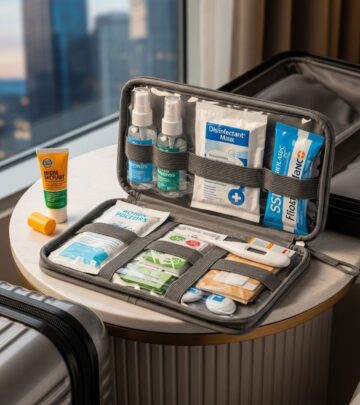
- Pack smart: Med kit, copies, power bank.
Travel smart, stay informed—your adventure awaits safely.
References
- U.S. Department of State Travel Advisories — U.S. Department of State. 2026-01-12. https://travel.state.gov/content/travel/en/traveladvisories/traveladvisories.html/
- CDC Travelers’ Health — Centers for Disease Control and Prevention. 2026-01-12. https://wwwnc.cdc.gov/travel/
- Travel Advisory Levels — U.S. Department of State. 2025-12-01. https://travel.state.gov/content/travel/en/international-travel/International-Travel-Country-Information-Pages.html
- Yellow Book: CDC Health Information for International Travel — CDC. 2024-07-01. https://wwwnc.cdc.gov/travel/yellowbook/2024
- Global Terrorism Database — University of Maryland START. 2025-11-15. https://www.start.umd.edu/gtd/
Similar Articles








Read full bio of Sneha Tete