8 Tips for Apartment Security: Keep Your Home Safe
Essential apartment security strategies to protect your rental from break-ins and theft.
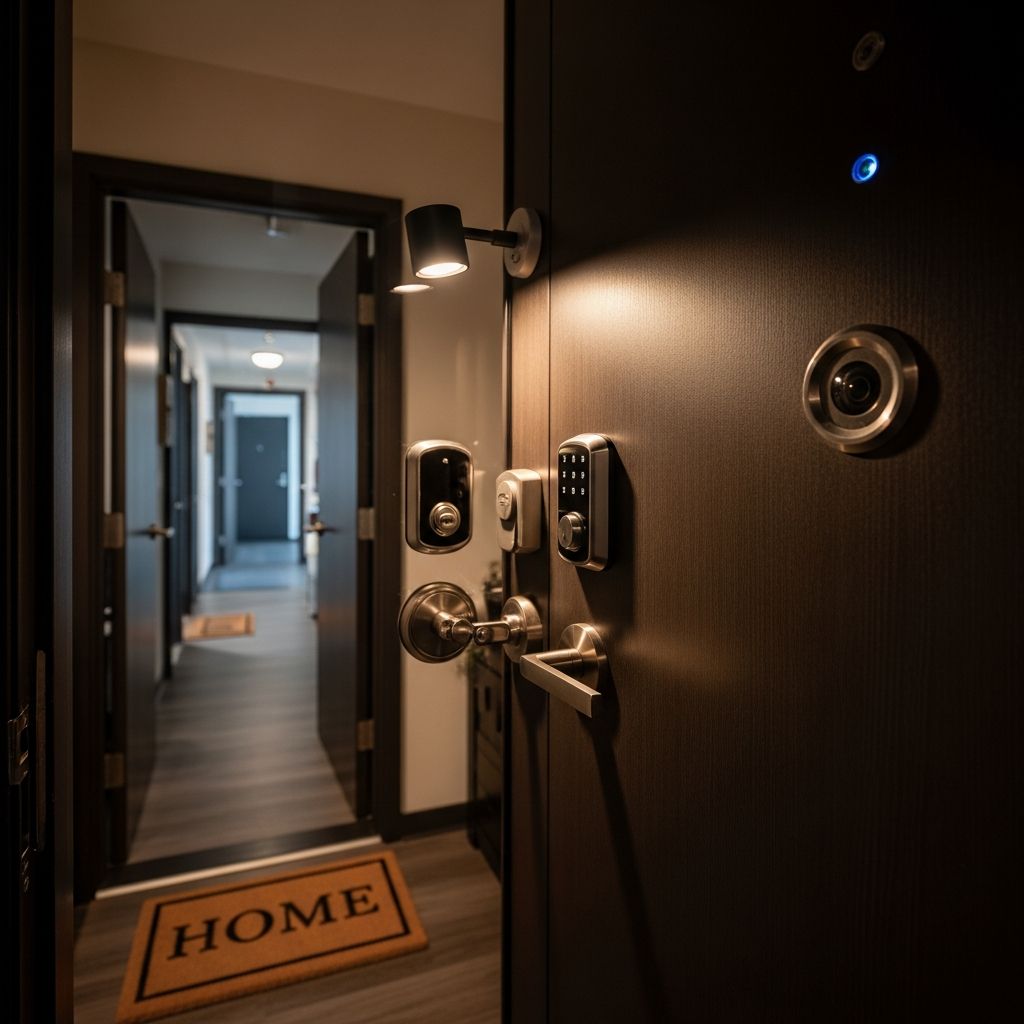
Whether you own or rent your apartment, security should be a top priority. Renters often assume they have limited options for enhancing their living space’s safety, but numerous strategies can significantly improve your apartment’s security without requiring permanent modifications. From installing a comprehensive home security system to reinforcing windows and doors, there are practical solutions available for every budget and living situation. This guide covers essential apartment safety tips designed to keep your home secure and provide peace of mind.
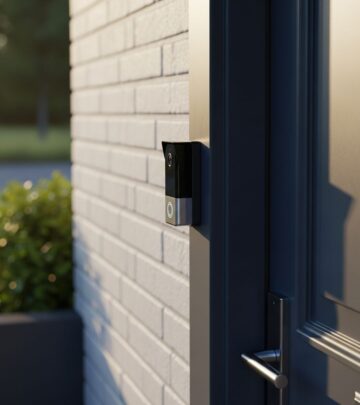
1. Set Up a Doorbell Camera
A doorbell camera serves as an excellent first line of defense against apartment burglars and unwanted visitors. Wireless doorbell cameras are particularly popular because they’re easy to install and require minimal technical expertise. These devices allow you to monitor who approaches your door at any time, whether you’re home or away.
One of the main advantages of doorbell cameras is their flexibility. You can attach a camera to an existing peephole without any permanent modifications. If your apartment has a wired doorbell, you can hook up the camera directly to the doorbell’s wiring, eliminating the need to constantly replace batteries or keep the camera charged. This ensures continuous monitoring and peace of mind.
Modern doorbell cameras often include two-way audio capabilities, allowing you to communicate with visitors remotely. This feature can deter potential thieves who realize someone is watching and can speak to them. Many doorbell cameras also integrate with your smartphone, sending alerts whenever motion is detected or someone rings the doorbell.
2. Upgrade Door Locks
Your apartment’s door locks are critical components of your security system. Many apartments come equipped with standard locks that offer minimal protection against determined intruders. Before making any changes, check your lease agreement or consult with your property manager, as some landlords restrict lock modifications.
Understanding Lock Grades: A deadbolt lock is considered the most secure lock option and the hardest to break into. To select the best lock for your home, research how it’s graded on a scale from one to three in terms of functionality and integrity. The Builders Hardware Manufacturers Association (BHMA) publishes a directory of certified products where you can see the rating of your preferred lock and how it compares to competitors. A Grade 1 deadbolt offers the highest security rating and provides superior protection against forced entry.
Strike Plate Importance: When installing new locks, pay special attention to the strike plates—the metal plates affixed to the doorjamb and door frame that house the lock bolt. Ensure these plates are installed with long, three-inch screws. Screws this size resist brute force much more than their short counterparts. This seemingly small detail significantly increases the time and effort required for an intruder to force your door open.
Renter-Friendly Alternatives: If your apartment complex doesn’t allow permanent lock changes, you have several options to reinforce your existing locks without making lasting modifications. Add a doorjamb, install a chain lock, use a smart lock that doesn’t damage the door, or employ a portable door lock—devices often used by travelers in hotels, hostels, and Airbnbs that provide additional security without professional installation.
3. Install a Door Security Bar
A door security bar acts as a physical barrier, making it extremely difficult for intruders to force your apartment door open. This simple yet effective device is ideal for apartment renters because it’s easy to install, can be moved between apartments, and works on both hinged and sliding doors.
Door security bars are placed on the floor, leaning against the door handle at an angle, creating a strong diagonal brace that resists significant pressure. For sliding doors, the bar typically sits in the track and prevents the door from being slid open. The beauty of this solution is that it requires no permanent installation, making it perfect for renters who want enhanced security without risking their security deposits.
4. Reinforce Sliding Doors
Sliding doors present unique security challenges because they can sometimes be lifted out of their tracks or forced open more easily than traditional hinged doors. Reinforcing these entry points is essential for comprehensive apartment security.
Use a door security bar specifically designed for sliding doors, which sits in the track and prevents the door from opening. Additionally, apply a security film to your sliding glass doors to make them more resistant to breaking. Installing locks designed specifically for sliding doors can further enhance security. For extra protection, consider adding a sliding door lock pin or wedge that prevents the door from moving in its track.
5. Improve Window Security
First-floor and fire escape windows are common entry points for burglars because they’re relatively easy to access and may not draw as much attention as attempting to enter through the front door. Securing these vulnerable points is crucial for apartment safety.
Window Lock Options: Windows generally come with simple flip locks that provide minimal security. For added protection, upgrade to turnbuckle locks, key-operated locks, locking pins, or a sash lock. These upgraded options make it much harder for intruders to open your windows from the outside.
Glass Reinforcement: Apply shatterproof security film to existing glass or consider using laminated or tempered glass in the initial installation if you own the apartment. This film holds glass together even if it’s broken, making it difficult and time-consuming for burglars to gain entry through windows.
Technology Deterrents: Alarm sensors on windows, security cameras, and flood lights serve as excellent deterrents. Flood lights illuminate the recorded area brightly, making it obvious that a break-in attempt would be documented. An alarm that sounds when a window is opened or if the glass breaks alerts you and nearby residents to potential intrusions.
6. Get to Know Your Neighbors
Building relationships with your neighbors creates an informal security network that can be surprisingly effective. Friendly neighbors look out for each other and share any suspicious activity, either in person or through Facebook groups dedicated to your apartment complex or neighborhood.
When neighbors know each other, they’re more likely to notice and report unfamiliar vehicles, strangers loitering around the building, or other suspicious behavior. This community awareness can deter criminals who prefer operating in environments where residents aren’t paying attention to their surroundings. Additionally, neighbors can keep an eye on your apartment when you’re away and alert you to any concerning activity.
7. Install a Security System
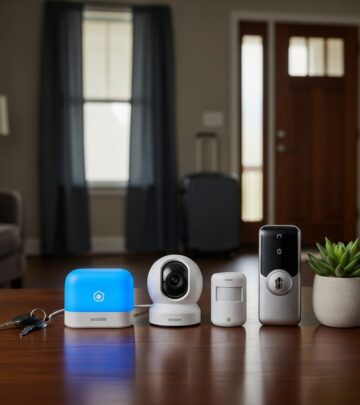
For a comprehensive, one-stop-shop solution, consider installing a security alarm system. You have two main options: contact a professional security company for a customized package, or purchase a DIY home security kit for self-installation.
Professional Security Systems: Companies like ADT offer specialized apartment security solutions through services like Blue by ADT. These systems typically include professional monitoring, where trained operators respond to alarms and contact emergency services if necessary.
DIY Security Systems: Companies like Ring Alarm and SimpliSafe sell wireless security systems that include window and door sensors, smoke detectors, security cameras, and carbon monoxide monitoring. These systems are designed for easy installation without requiring drilling holes in walls, making them perfect for renters. SimpliSafe ranks as a top apartment security system in 2025 due to its easy installation, affordability, and contract-free options.
Smart Home Integration: Modern security systems are typically compatible with smart home technology hubs like Amazon Alexa, Google Home, and Apple Home, allowing you to synchronize each device and manage your entire system from your phone. This integration provides convenient remote monitoring and control of your apartment’s security.
8. Purchase Renters Insurance
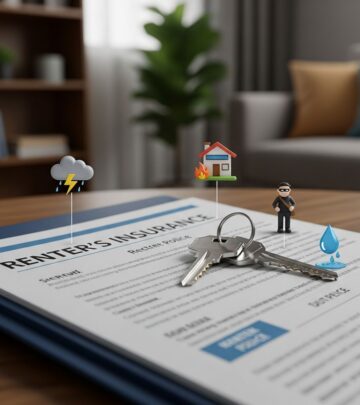
While physical security measures prevent break-ins, renters insurance protects you financially if the worst happens. This insurance covers replacement costs if electronics, furniture, and other personal property are stolen or damaged due to theft, fire, or other covered incidents.
Renters insurance is typically affordable and provides crucial protection for your belongings. It won’t cover all possible damages, but it will usually reimburse you for stolen or damaged items, helping you rebuild after a loss. Additionally, renters insurance often includes liability coverage, protecting you if someone is injured in your apartment and decides to sue.
Additional Security Considerations
Before You Move In: Research crime statistics in the neighborhoods you’re considering by checking online resources and talking to current residents. Examine potential apartments for good lighting, secure entrances with key codes or cameras, well-maintained common areas, and functional fire escapes. Poor maintenance can indicate a landlord who doesn’t prioritize security.
Daily Security Habits: Develop a night routine where you check all entry points are locked and windows are closed. Use blinds and curtains to prevent people from seeing inside your apartment and assessing what valuables you have. Keep your windows covered after dark, angling blinds horizontally so people can’t see between the slats.
Valuables Protection: Invest in a small safe to store jewelry, heirlooms, important documents, and other valuable items. Burglars try to get in and out quickly, so they’re less likely to spend time hunting down valuables if they aren’t easily visible. This simple step can significantly reduce losses if a break-in occurs.
Package Theft Prevention: Package theft affects 1 in 5 Americans annually, with apartment buildings being particularly vulnerable to this type of crime. Thieves can easily access common areas and grab multiple packages in one trip. Use a doorbell camera to monitor package deliveries and consider requesting that delivery personnel place packages in less visible locations or requiring signatures for valuable items.
Frequently Asked Questions About Apartment Security
Q: Are you allowed to put a security system in an apartment?
A: Most apartment complexes allow you to install a security system as long as it does not involve drilling holes in the walls or making permanent modifications. Most recommended apartment security systems feature easy DIY installation that won’t damage your walls or violate lease agreements. Always check your lease or consult with your landlord before installation.
Q: Are apartments safer than houses?
A: Apartments can be safer to live in than houses because there are other people in the complex who might see suspicious activity, and there are typically fewer entry points to secure. However, apartments also present unique challenges, such as shared common areas that are more difficult to monitor and control.
Q: How can I make my apartment more secure?
A: There are numerous ways to enhance apartment security, including upgrading your locks to Grade 1 deadbolts, installing doorbell cameras, keeping windows closed and covered, using door security bars, installing security systems, purchasing renters insurance, and building relationships with neighbors who can watch for suspicious activity.
Q: Does ADT protect apartments?
A: Yes, ADT offers apartment security through their Blue by ADT service, which provides professional monitoring and is designed specifically for renters and apartment dwellers. This service includes wireless sensors and cameras that require no permanent installation.
Q: What should I do if my apartment has subpar locks?
A: If your apartment came with subpar locks, check your lease to see if you can change them. If not, consider non-permanent options like smart locks, doorjambs, chain locks, or portable door locks. You can also reinforce existing locks with longer screws in the strike plate.
Q: How can I protect myself from package theft?
A: Install a doorbell camera to monitor package deliveries and deter thieves. Consider requesting that delivery personnel place packages in less visible locations or requiring signatures for valuable items. Use two-way audio features to communicate with delivery personnel or scare off potential thieves.
Summary of Essential Apartment Security Tips
Securing your apartment requires a multi-layered approach that combines physical barriers, technology, community awareness, and insurance protection. Whether you rent or own, implementing these strategies will significantly enhance your safety and reduce the risk of break-ins and theft. Start by identifying which security measures are most appropriate for your specific situation and budget, then gradually implement additional enhancements over time. By taking proactive steps to secure your apartment, you can enjoy greater peace of mind knowing that your home and belongings are protected.
References
- 8 Tips for Apartment Security — Money Magazine. 2024. https://money.com/8-tips-for-apartment-security/
- Best Apartment Security Tips and Systems — This Old House. 2024. https://www.thisoldhouse.com/home-safety/apartment-security
- Best Apartment Security Systems in 2025 — Security.org. 2025. https://www.security.org/home-security-systems/best/apartment/
- Builders Hardware Manufacturers Association (BHMA) — Official Directory of Certified Lock Products. https://www.bhma.org/
- Package Theft Statistics — Capital One Shopping Research. 2024. https://www.capitaloneshopping.com/research/package-theft-statistics/
Similar Articles








Read full bio of medha deb