8 Things You Shouldn’t Buy Before Christmas
Smart holiday shopping: Learn what to avoid buying before Christmas to save money.

The holiday season is a time of joy, celebration, and unfortunately, significant spending for many households. As December approaches, the pressure to purchase gifts, decorations, and festive items can quickly overwhelm your budget. While it’s tempting to buy everything on sight, understanding which items to avoid purchasing before Christmas can save you substantial amounts of money and help you maintain financial peace throughout the holiday season and beyond.
Rather than focusing solely on what you should buy, this guide explores the strategic approach of knowing what not to purchase before Christmas. By avoiding certain categories of items during this peak shopping season, you can stretch your holiday budget further, reduce unnecessary debt, and make more intentional purchasing decisions. Let’s explore eight things you should reconsider buying before the Christmas holiday arrives.
1. Full-Price Holiday Decorations and Seasonal Items
One of the biggest money-wasting mistakes during the holiday season is purchasing decorations at full price in November and early December. Retailers heavily promote seasonal items during this peak period, but prices are typically at their highest. Instead of buying holiday decorations before Christmas arrives, wait for post-Christmas sales when retailers dramatically reduce prices to clear inventory.
After Christmas Day, stores slash prices on wreaths, lights, garland, ornaments, and other festive décor by 50% to 75% or more. If you purchase your decorations during the January clearance sales, you can build an impressive collection for next year at a fraction of the cost. This strategy is particularly effective for families who celebrate Christmas annually and don’t need decorations immediately after the holidays end.
Additionally, avoid the temptation to continuously update your holiday décor each year. The decorations you have are perfectly functional and beautiful. Rather than replacing them with new items, get creative by repurposing what you already own, mixing in handmade decorations, or incorporating natural elements from your yard.
2. Electronics and Tech Gadgets
While Black Friday and Cyber Monday offer some genuine deals on electronics, the extended pre-Christmas shopping period often features inflated prices disguised as discounts. Retailers frequently mark up electronics before the holiday season, then offer “discounts” that bring prices back to normal or only slightly below regular rates.
If you’re considering purchasing electronics as gifts, research historical pricing and wait for legitimate sales events. Better yet, consider purchasing tech items after the holiday season ends, when retailers are clearing 2025 inventory to make room for 2026 models. Electronics typically become cheaper in January and February as new versions are released.
Be particularly cautious of “doorbusters” and “limited-time deals” that pressure you into immediate purchases. These marketing tactics are designed to create urgency and prevent rational decision-making. Take time to compare prices across multiple retailers and read reviews before committing to any electronics purchase.
3. Winter Clothing and Cold-Weather Gear
Purchasing winter clothing before Christmas might seem practical, but retailers mark up cold-weather items significantly during the holiday season when demand peaks. Coats, boots, scarves, hats, and gloves are typically more affordable in late January and February when retailers need to clear winter inventory before spring arrives.
If you need winter clothing immediately, shop end-of-season sales from previous years or explore thrift stores and consignment shops where you can find quality items at steep discounts. Many people donate slightly worn or gently used winter gear after the season ends, making these venues treasure troves for budget-conscious shoppers.
Plan your winter wardrobe purchases strategically. If you notice missing pieces in your winter collection, jot them down and purchase them during the post-holiday clearance period rather than paying premium pre-Christmas prices.
4. Kitchen Appliances and Cookware
Many people purchase kitchen appliances and specialty cookware before Christmas, either as gifts or for personal use. However, these items are significantly cheaper after the holiday season. January sales events, Presidents’ Day sales in February, and other winter promotions offer better deals on kitchen equipment than you’ll find in November and December.
If you’re considering purchasing a high-ticket kitchen appliance like a stand mixer, food processor, or air fryer, waiting until January can save you hundreds of dollars. Retailers use these items to attract customers during post-holiday sales periods when overall shopping activity declines.
Avoid the impulse to purchase every new kitchen gadget that catches your eye during holiday shopping. Most specialty kitchen items aren’t essential, and you may find yourself with drawer space issues if you accumulate too many single-purpose tools.
5. Furniture and Home Décor
Furniture and home décor items carry inflated price tags during the holiday shopping season. Retailers capitalize on the festive spirit and holiday entertaining mindset to encourage purchases of bigger-ticket home items. However, waiting until after the holidays results in substantially better prices on furniture, area rugs, throw pillows, and wall art.
Major furniture sales occur in January and February when retailers are clearing space for spring collections. This is the optimal time to purchase any significant home furnishings you’ve been considering. You’ll also find better selection and more negotiating power with sales representatives who are less busy after the holiday rush.
If you’re eager to spruce up your home décor, focus on small, inexpensive items you can find at thrift stores, discount retailers, or through handmade alternatives rather than purchasing new furniture pieces at premium pre-Christmas prices.
6. Jewelry and Luxury Items
The holiday season is heavily marketed as the time to purchase expensive jewelry and luxury gifts. However, this marketing strategy inflates prices, as retailers know customers are in a generous spending mood and emotionally motivated to purchase premium items. Jewelry prices are typically highest during November and December.
If you’re interested in purchasing jewelry, wait for post-holiday sales or special promotions that occur outside the Christmas shopping season. Valentine’s Day sales, summer clearance events, and other occasions offer better pricing on jewelry than you’ll find in December.
Consider alternatives to expensive jewelry purchases. Personalized or handmade gifts often carry more sentimental value than luxury items purchased at inflated holiday prices. If jewelry is your intended gift, research retailers’ return policies and pricing history to ensure you’re getting genuine value for your money.
7. Toys and Children’s Items
While toy shopping seems essential before Christmas, prices are frequently inflated during the holiday season due to high demand and limited inventory. Many “must-have” toys are either overstocked (leading to post-holiday clearance sales) or will be discounted as new inventory arrives in the new year.
Rather than purchasing toys at full price before Christmas, consider these alternatives: purchase toys from previous years’ collections at clearance prices, explore secondhand options at thrift stores or online marketplaces, or focus on experiences rather than physical gifts. Many children derive more joy and lasting value from family experiences than from trendy toys purchased at premium holiday prices.
If specific toys are must-haves for your gift-giving, research their typical retail prices and check historical pricing data before assuming that pre-Christmas prices are reasonable. Many retailers manipulate prices before major holidays, making “original” prices misleadingly high.
8. Party Supplies and Entertainment Items
Holiday party supplies, decorations for entertaining, and entertainment items like games or party favors are heavily marked up before Christmas when hosts are planning holiday gatherings. These items become significantly cheaper in January clearance sales.
If you’re planning holiday parties, purchase supplies at regular-price retailers or opt for simple, elegant entertaining strategies that don’t require extensive specialty items. Potluck-style gatherings reduce your own hosting expenses and create more enjoyable, community-oriented celebrations.
Save entertainment purchases for after the holidays when retailers are clearing inventory. You can stock up on games, puzzles, streaming service subscriptions, and other entertainment items at reduced prices for enjoyment throughout the coming year.
Smart Strategies for Pre-Christmas Spending
Set a Budget and Stick to It
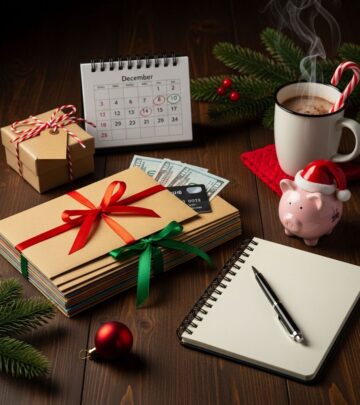
Before any holiday shopping begins, establish a clear spending limit for gifts, decorations, food, and entertainment. Determine how much money you can realistically afford to spend without creating financial stress in January. Once you’ve established your budget, withdraw that exact amount in cash if possible and divide it into labeled envelopes by category. This concrete approach prevents overspending and eliminates post-holiday financial surprises.
Make a Comprehensive Shopping List
Create a detailed list of everyone you’re purchasing gifts for, along with specific gift ideas and price targets. Stick to this list religiously. Shopping without a clear plan leads to impulse purchases and budget overruns. When you encounter tempting items not on your list, simply walk away or add them to a “wish list” for future consideration rather than immediate purchase.
Use Price Tracking Tools
Leverage technology to your advantage by using price tracking tools and browser extensions that alert you when prices drop on items you’re considering. These tools help you identify genuine sales versus inflated holiday pricing, ensuring you only purchase when prices are genuinely reduced.
Consider Secondhand and Thrift Options
Thrift stores and secondhand marketplaces offer incredible deals on quality items. Many people donate gently used gifts they received in previous years, making thrift stores treasure troves for creative gift-givers. Consumers are increasingly open to secondhand gifts, with many people willing to spend nearly 40% of their holiday budgets on secondhand items.
Explore Gift Card Strategies
Purchasing discounted gift cards is like giving yourself a built-in coupon. Many retailers and online platforms sell gift cards at reduced prices, allowing you to stretch your budget further. For example, purchasing a $250 gift card at a 30% discount means you’re essentially getting $250 worth of merchandise for $175.
What You Should Consider Buying Before Christmas
While this article focuses on what to avoid purchasing, some items are genuinely good buys before the holidays. Gift cards are excellent pre-Christmas purchases, as they offer flexibility and often go on sale. Holiday-specific food items like quality champagne, specialty chocolates, and gourmet treats often feature better pricing before Christmas than afterward.
Additionally, if you’re purchasing items on your established gift list at genuinely discounted prices, purchase them when you find them. The key is distinguishing between genuine sales and inflated holiday pricing designed to appear discounted.
Frequently Asked Questions
Q: When is the best time to purchase holiday decorations?
A: The best time to purchase holiday decorations is immediately after Christmas (December 26 onward) when retailers offer clearance sales with discounts of 50-75%. January sales are also excellent for stocking up on next year’s decorations at fraction-of-retail prices.
Q: Should I purchase gifts early or wait for sales?
A: It depends on the item. For most products, waiting for post-holiday sales offers better prices. However, if you find an item on your gift list at a genuinely discounted price, purchase it immediately. The key is tracking historical pricing and distinguishing real sales from inflated holiday pricing.
Q: How can I avoid impulse purchases during holiday shopping?
A: Create a detailed shopping list before you begin shopping, set a strict budget, use cash instead of credit cards, and avoid shopping when emotionally vulnerable or tired. When tempted by items not on your list, remind yourself of your budget and financial goals.
Q: Are holiday sales really better than regular sales?
A: Not necessarily. Retailers often inflate prices before offering “holiday discounts” that make prices appear reduced while remaining above normal levels. Research historical pricing and compare across retailers before assuming you’re getting a genuine deal.
Q: What’s a good alternative to expensive gift purchases?
A: Consider gift experiences (concerts, classes, outings), handmade gifts, donations made in someone’s name, or quality time with loved ones. These often provide more lasting value and satisfaction than material items purchased at inflated holiday prices.
Q: How much should I budget for Christmas gifts?
A: Budget only what you can afford without creating debt or financial stress. Set a per-person amount (for example, $50-75 per child) and establish total household spending limits. Many financial experts recommend setting budgets that avoid accumulating credit card debt extending into the new year.
References
- 12 Best Tips to Spend Less at Christmas — Money Mentors. 2025. https://moneymentors.ca/money-tips/best-ways-to-save-money-during-christmas/
- Christmas Shopping: How to Stick to Your Budget — WFAA. November 4, 2025. https://www.youtube.com/watch?v=gXgD_UCQngg
- Best Money Tips: Make the Most of Holiday Shopping — Wise Bread. 2025. https://www.wisebread.com/best-money-tips-make-the-most-of-holiday-shopping
- What to Buy (and Avoid Buying) in December — Wise Bread. 2025. https://www.wisebread.com/what-to-buy-and-avoid-buying-in-december
- 5 Rules for Planning Your Most Affordable Christmas Ever — Wise Bread. 2025. https://www.wisebread.com/5-rules-for-planning-your-most-affordable-christmas-ever
Similar Articles








Read full bio of medha deb