8 Things You Should Never Hide From Your Landlord
Transparency with your landlord builds trust and prevents costly disputes—discover the 8 key issues to always disclose promptly.

Renting an apartment or house comes with responsibilities that extend beyond paying rent on time. Maintaining open communication with your landlord is crucial for a harmonious tenancy. Hiding issues can lead to escalated problems, financial penalties, eviction notices, or damaged references for future rentals. This guide outlines the
, drawing from common tenant experiences and legal guidelines to help you navigate rental life successfully.Transparency fosters trust and ensures quick resolutions. According to housing authorities, disputes often arise from undisclosed issues, leading to costly repairs or legal battles. By addressing these promptly, you protect your security deposit and living situation.
1. Your Pets
Bringing a pet into your rental without informing your landlord tops the list of disclosure musts. Many leases prohibit pets or require additional pet deposits and agreements due to potential damage like scratched floors, urine stains, or excessive noise complaints from neighbors.
If your lease allows pets with approval, notify your landlord immediately upon adoption or move-in. Hiding a furry friend risks immediate eviction, forfeiture of your deposit, and blacklisting. Even “emotional support animals” under fair housing laws require documentation—submit it upfront to avoid disputes.
- Why disclose? Pets can cause wear beyond normal use, which tenants are liable for.
- Tips: Provide vet records, photos of the pet, and agree on rules like walking areas.
- Legal note: Landlords can charge pet rent (e.g., $25–50/month) if specified.
One tenant hid a cat for months, leading to $1,200 in carpet replacement fees upon move-out. Proactive disclosure prevents such outcomes.
2. Any New Roommates
Adding a roommate changes occupancy, utility usage, and liability. Leases often limit occupants to prevent overcrowding, safety hazards, or strain on building systems. Always get written approval before subletting or adding long-term guests.
Hiding roommates can void your lease, trigger eviction, or result in fines. Landlords screen for credit, background, and rental history to ensure reliability—bypassing this erodes trust.
- Steps to take: Submit roommate applications with ID, income proof, and references.
- Consequences: Unauthorized occupants may lead to lease termination without notice.
In shared housing, clear terms protect everyone. Discuss rent splits, guest policies, and exit plans in advance.
3. DIY or Home Improvements You’ve Made
That fresh coat of paint or installed shelves might seem harmless, but alterations without permission can complicate move-outs. Landlords prefer control over aesthetics and structural changes to maintain property value and uniformity.
Notify before any DIY: painting, drilling, furniture assembly that mars walls, or landscaping. Hiding them risks deductions from your deposit or demands to restore original conditions.
| DIY Project | Potential Issues | Best Practice |
|---|---|---|
| Painting walls | Color mismatches, poor quality | Get sample approval first |
| Installing shelves | Wall damage from anchors | Use removable options or seek permission |
| Custom lighting | Wiring hazards | Hire licensed pros with landlord OK |
Pro tip: Document pre-improvement photos and get email approvals to safeguard your deposit.
4. Problems with Utilities
Low water pressure, flickering lights, or gas leaks aren’t just annoyances—they’re hazards. Hiding utility issues delays fixes and could make you liable for damages like mold from leaks.
Report immediately via written notice (email/text with photos). Landlords are responsible for major utilities under habitability laws, but prompt reporting shifts burden correctly.
- Common issues: Faulty wiring, plumbing clogs, HVAC failures.
- Urgent? Call emergency lines for gas/fire risks.
One study shows unreported leaks cause 10% of tenant-landlord disputes. Stay safe and compliant by disclosing.
5. Broken or Malfunctioning Appliances
A leaky fridge or non-heating oven disrupts daily life. Landlords provide and maintain appliances; hiding damage leads to further deterioration and full replacement costs charged to you.
Submit repair requests promptly with details and evidence. Normal wear-and-tear is landlord-covered, but neglect isn’t.
- Report via: Maintenance portal, certified letter, or app if available.
- Timeline: 24–48 hours for non-emergencies; immediate for safety issues.
Avoid “I’ll fix it myself” traps—unauthorized repairs void warranties and complicate claims.
6. You’re Having Guests or Parties
Short-term guests (under 7–14 days) are usually fine, but frequent or large gatherings can violate noise ordinances and “quiet enjoyment” clauses for others.
Inform for events over 10 people or multi-day stays. Hiding leads to neighbor complaints, fines, or eviction for disturbances.
- Rules vary: Check lease for guest limits (e.g., no overnights without notice).
- Best practice: Provide guest lists and end times in advance.
Build goodwill—many landlords accommodate reasonable requests.
7. You’re Moving Out
Give proper notice (typically 30–60 days) to avoid penalties. Hiding plans rushes turnover, forfeits deposits, or accrues extra rent.
Submit written notice specifying date. Schedule walkthroughs for damage assessments.
- Prepare: Clean thoroughly, document condition with photos/videos.
- Timeline: Deposits refunded within 14–30 days post-inspection.
Early disclosure allows re-rental, often yielding positive references.
8. Any Damage to the Property
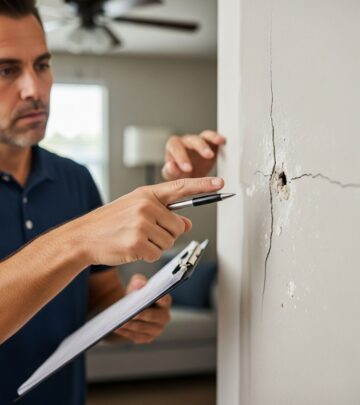
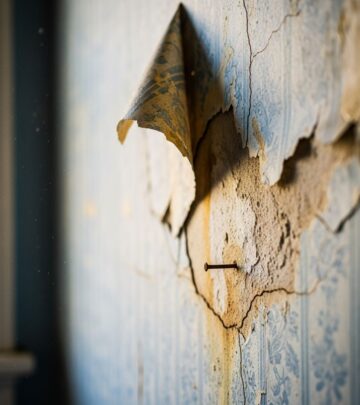
From accidental spills to storm impacts, damage disclosure is non-negotiable. Hiding worsens issues (e.g., small crack becomes major repair) and implies tenant negligence.
Report with photos, incident details, and timelines. Tenants cover willful damage; landlords handle structural.
| Damage Type | Tenant Responsibility | Landlord Responsibility |
|---|---|---|
| Broken window (accident) | Partial cost if tenant fault | Full if structural/weather |
| Carpet stains | Cleaning/replacement | Normal wear |
| Leaky roof | Report only | All repairs |
Prompt action minimizes costs for all.
Frequently Asked Questions (FAQs)
Q: What if my landlord ignores my repair requests?
A: Document everything and escalate to housing authorities or small claims court. Most areas mandate response times.
Q: Can landlords enter without notice?
A: No—requires 24–48 hours advance notice except emergencies.
Q: Am I liable for normal wear-and-tear?
A: No—security deposits cover only excess damage.
Q: How to handle pet damage disputes?
A: Pre-move-in inspections and photos prove baseline condition.
Q: What’s the best way to communicate issues?
A: Written (email/text) with timestamps and evidence for records.
Mastering these disclosures ensures a stress-free rental experience. Consult local tenancy laws for specifics, as rules vary by jurisdiction.
References
- Things Landlords May Not Tell You — Housing.com. 2023-05-15. https://housing.com/news/things-landlords-may-not-tell-you/
- Top Ten Things Tenants and Landlords Need to Know — City of Boston.gov. 2024-08-20. https://www.boston.gov/departments/housing/top-ten-things-tenants-and-landlords-need-know
- 5 Things That Might Cost You If You Hide Things From Your Landlord — Kaim Team Real Estate Blog. 2022-10-27. https://www.kaimteam.com/blog/2022/10/27/5-things-that-might-cost-you-if-you-hide-things-from-your-landlord
- 8 Things Your Future Landlord Will Never Tell You — Brick Underground. 2011-11-01. https://www.brickunderground.com/blog/2011/11/8_things_your_landlord_will_never_tell_you
- 8 Things You Should Never Hide From Your Landlord — Wise Bread. 2010-06-12. https://www.wisebread.com/8-things-you-should-never-hide-from-your-landlord
Similar Articles








Read full bio of Sneha Tete