8 Things You Should Always Buy Used To Save Big
Unlock massive savings and smart shopping strategies by always opting for these 8 essential items second-hand.
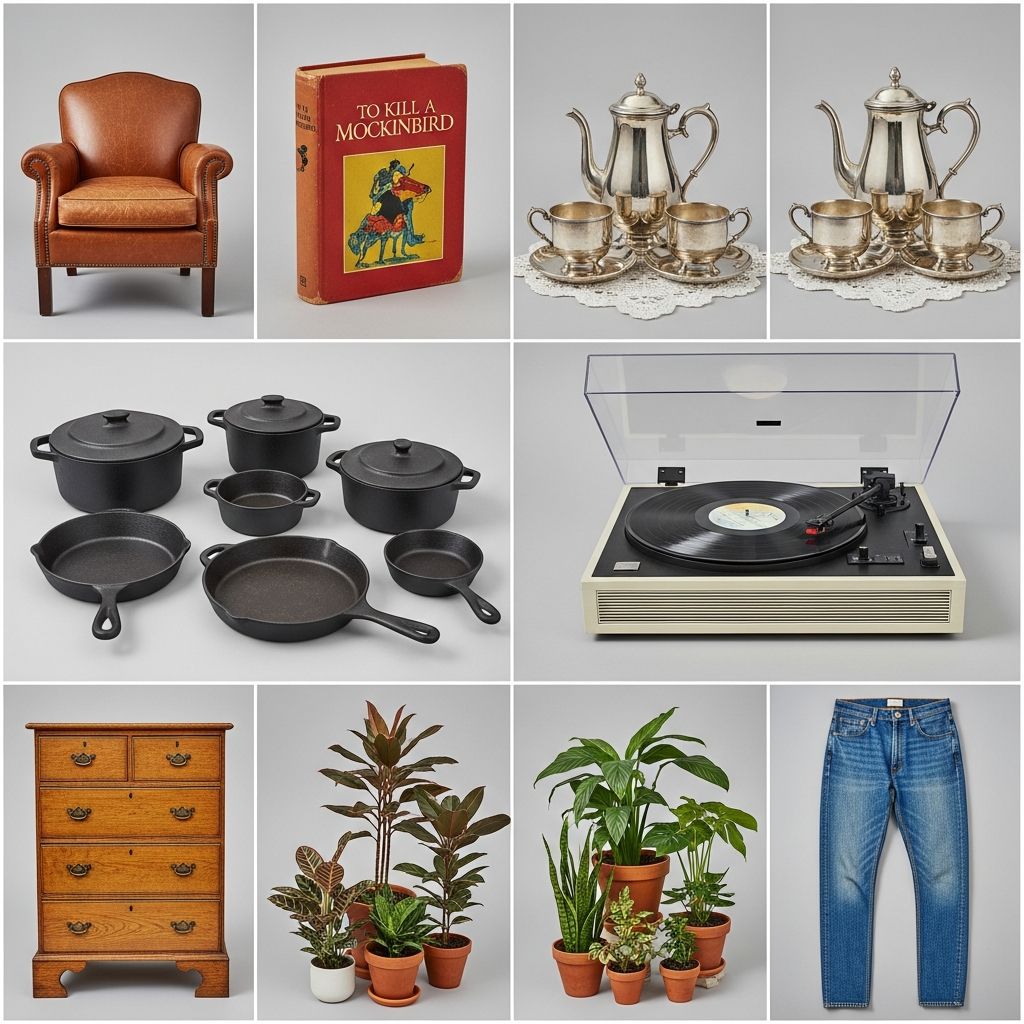
Buying used items is one of the smartest frugal strategies for stretching your budget further. Not only do you save significant money, but many used goods hold their quality remarkably well over time. This guide explores eight categories where second-hand purchases consistently outperform new ones in value, durability, and environmental impact. We’ll cover why each item is ideal used, how to inspect for quality, and top places to find deals.
Cars
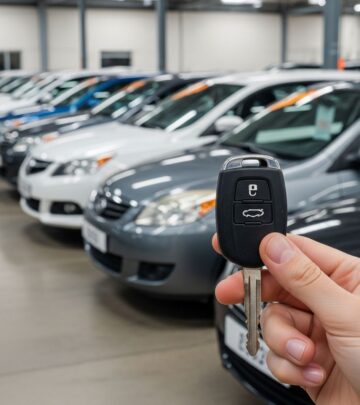
Used cars represent exceptional value because new vehicles depreciate rapidly—often losing 20-30% of their value within the first year. According to the Kelley Blue Book, a car that costs $30,000 new might be worth just $24,000 after 12 months. Opting for a used model aged 2-5 years lets you avoid this ‘depreciation hit’ while benefiting from the original warranty coverage on many certified pre-owned vehicles.
Avoid lemons by getting a pre-purchase inspection from a trusted mechanic, checking vehicle history reports via services like Carfax, and test-driving extensively. Look for models known for reliability, such as Toyota Camry or Honda Accord, which often exceed 200,000 miles with proper maintenance. Savings can reach 40-60% compared to new equivalents.
- Where to buy: Certified pre-owned from dealerships, private sellers on Craigslist, Autotrader, or Facebook Marketplace.
- Pro tip: Focus on low-mileage fleet vehicles or one-owner cars for best condition.
Homes
Real estate is the ultimate used purchase—nearly all homes on the market are ‘pre-owned.’ Buying used avoids the premiums on new construction, which can inflate prices by 15-25% due to builder markups and unfinished landscaping. Existing homes often come with established neighborhoods, mature trees, and updated features from previous owners.
Key inspections include home (structural integrity, roof age), pest, radon, and sewer line checks. Hire a professional inspector; their $400-600 fee can save thousands by uncovering issues like foundation cracks or outdated electrical systems. In many markets, used homes appreciate steadily, building equity faster than new builds.
- Where to buy: MLS listings via Realtor.com, Zillow, Redfin, or local auctions.
- Pro tip: Negotiate seller credits for repairs post-inspection to maximize savings.
Books
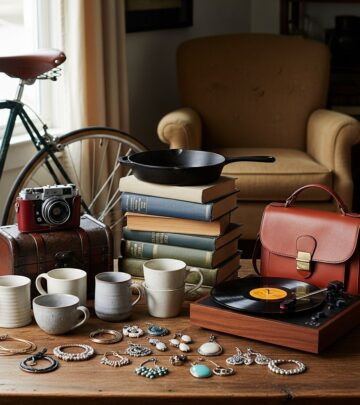
Books are among the best used buys because they don’t wear out from reading—pages last decades. New hardcovers cost $25-40, but used copies (often like-new) sell for $1-5. Libraries, bookstores, and online platforms make sourcing easy, and you support literacy by recycling existing stock rather than printing new.
Check for clean pages, intact bindings, and no musty odors or water damage. E-books are an alternative, but physical used books offer collectible value, especially for rare editions. Over a year, building a home library this way saves hundreds versus retail.
- Where to buy: ThriftBooks, Better World Books, library sales, Goodreads giveaways, or local used bookstores.
- Pro tip: Join book swap groups on apps like BookMooch for free exchanges.
Tools
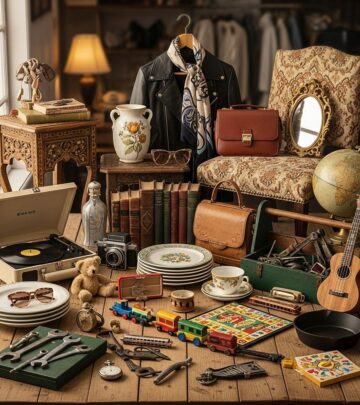
Quality tools from brands like DeWalt, Milwaukee, or Craftsman are built to last a lifetime. Used power tools retain 70-90% functionality after years of light use, often at 20-50% of new prices. Garage sales overflow with barely used items from hobbyists who upgrade frequently.
Inspect cords for frays, batteries for charge-holding, blades for dullness, and triggers for smooth operation. Test-run when possible. Avoid rusted or heavily abused items. A $200 new drill might cost $50 used, paying for itself in one project.
- Where to buy: Pawn shops, garage sales, eBay, Craigslist tools section, or Habitat for Humanity ReStores.
- Pro tip: Buy refurbished from manufacturer outlets for warranties intact.
Furniture
Solid wood furniture ages gracefully, gaining character without losing structural value. Particleboard new pieces sag quickly, but used oak or maple dressers endure generations. Prices plummet post-divorce moves or estate sales—expect 50-80% off retail.
Examine joints for tightness, wood for cracks or warps, upholstery for stains/tears, and drawers/slides for smoothness. Refinish or reupholster affordably to customize. Environmentally, reusing furniture cuts landfill waste significantly.
- Where to buy: Facebook Marketplace, OfferUp, estate sales, consignment shops, or Craigslist ‘free’ section.
- Pro tip: Measure spaces first; negotiate for delivery from sellers.
Musical Instruments
Instruments improve with play—wood mellows, metal burnishes. Student models flood the market cheaply after beginners quit, yet pro-quality guitars or violins hold tune and tone excellently used. Savings hit 60-80% on brands like Fender or Yamaha.
Test play for intonation, action (string height), frets, and electronics. Have a luthier appraise higher-end pieces. Avoid instruments with cracks, replaced parts, or poor setup. Rentals transition seamlessly to ownership.
- Where to buy: Reverb.com, Guitar Center used section, local music stores, pawn shops.
- Pro tip: Vintage gear often outperforms modern mass-produced items.
Sporting Goods
Gear like skis, bikes, or golf clubs sees sporadic use, staying near-new. Technological advances are incremental, so last-gen equipment performs identically at half price. Seasonal sales amplify deals post-winter or summer.
Check for frame damage, worn pads/grips, rust, or deep scratches. Inflate tires, shift gears, or swing clubs during trials. Helmets must be undamaged (replace every 5 years regardless). Families offload kids’ outgrown stuff cheaply.
- Where to buy: Play It Again Sports chains, REI used gear, Craigslist sports, Facebook groups.
- Pro tip: Size charts prevent mismatches; tune-ups cost little.
Clothing
Thrifted clothing offers designer labels at budget prices, with most garments barely worn due to fashion churn. Natural fibers like wool or cotton endure washes far better than new fast-fashion synthetics. Sustainability bonus: reduces textile waste.
Inspect seams, zippers, stains, pilling, and odors. Wash immediately. Tailoring fixes fits cheaply. Vintage styles cycle back trendy, multiplying value.
- Where to buy: ThredUp, Poshmark, Goodwill, Plato’s Closet, neighborhood swaps.
- Pro tip: Shop sales; apps like Depop curate quality.
Benefits of Buying Used
Beyond savings, used shopping builds negotiation skills, uncovers unique finds, and shrinks your carbon footprint—manufacturing new items guzzles resources. U.S. EPA data shows reuse diverts millions of tons from landfills yearly. Start small to build confidence.
Frequently Asked Questions (FAQs)
Q: Is buying used hygienic?
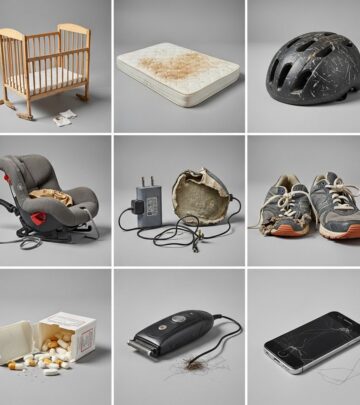
A: Yes, with proper cleaning—most items sanitize easily. Prioritize inspectable goods; avoid mattresses or undergarments.
Q: How do I spot quality used items?
A: Research models, get inspections, test functionality, check reviews/history reports.
Q: Where’s the best place for deals?
A: Online marketplaces like Facebook Marketplace, Craigslist, plus thrift stores, garage sales, and specialty resale shops.
Q: Can used big-ticket items have warranties?
A: Often yes—certified cars, refurbished tools retain coverage; check seller policies.
Q: Is used better for the environment?
A: Absolutely—reusing conserves materials/energy versus new production.
Quick Comparison: New vs. Used Savings
| Item | New Price (Avg) | Used Price (Avg) | Savings % |
|---|---|---|---|
| Car | $35,000 | $20,000 | 43% |
| Home (Improvement) | $50,000 | $35,000 | 30% |
| Books (x10) | $250 | $30 | 88% |
| Tool Set | $500 | $200 | 60% |
| Furniture Piece | $800 | $300 | 63% |
References
- Consumer Reports: Used Car Buying Guide — Consumer Reports. 2024-01-15. https://www.consumerreports.org/cars/buying-a-car/used-car-buying-guide/
- Kelley Blue Book Vehicle Depreciation Study — Kelley Blue Book. 2023-11-20. https://www.kbb.com/car-advice/how-fast-does-my-new-car-lose-value/
- EPA Municipal Solid Waste Generation Report — U.S. Environmental Protection Agency. 2024-06-01. https://www.epa.gov/facts-and-figures-about-materials-waste-and-recycling/national-overview-facts-and-figures-materials
- Home Inspection Standards of Practice — American Society of Home Inspectors. 2023-09-10. https://www.ashi.org/standards-of-practice/
- Textiles and the Environment — Ellen MacArthur Foundation. 2024-02-28. https://ellenmacarthurfoundation.org/a-new-textiles-economy
Similar Articles








Read full bio of Sneha Tete