8 Signs You’ve Crossed From Healthy Debt to Problem Debt
Learn the critical warning signs that your manageable debt has turned into a financial burden threatening your future stability.
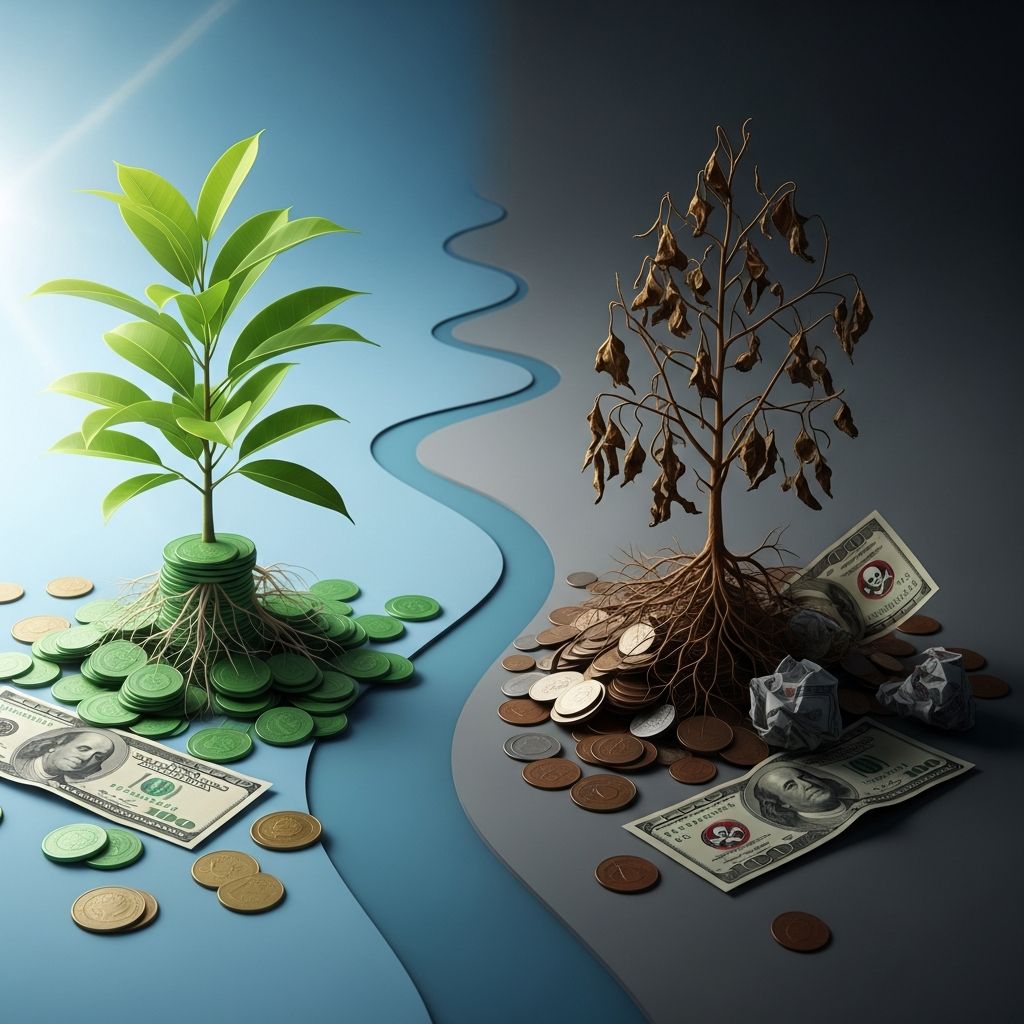
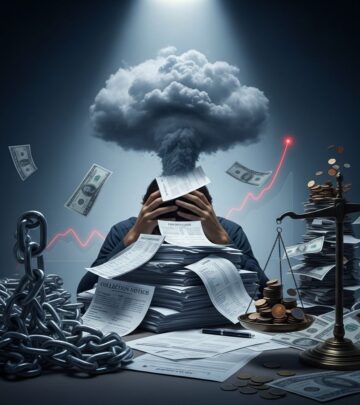
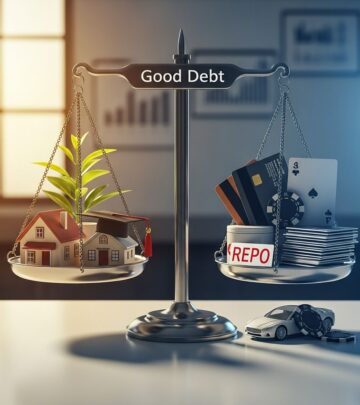
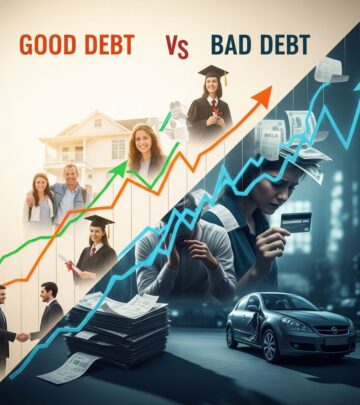
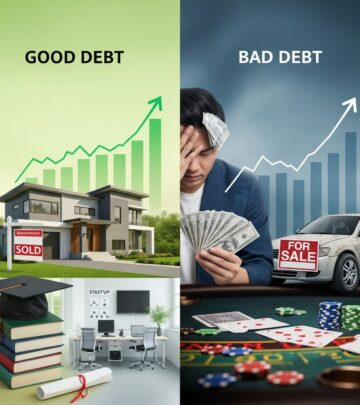
Debt itself isn’t inherently evil—when used wisely, it can fuel investments like homes or education that build long-term wealth. Healthy debt, often called “good debt,” involves borrowing for assets that appreciate or enhance earning potential, such as mortgages or student loans with returns exceeding interest costs. However, the line between healthy and problem debt blurs easily. Problem debt, or “bad debt,” finances depreciating items or exceeds your repayment capacity, leading to cycles of high-interest payments and financial stress.
This article outlines
8 critical signs
you’ve crossed into problem debt territory. Recognizing these early allows intervention before credit damage, emotional strain, or bankruptcy looms. We’ll explore each sign with real-world examples, backed by financial benchmarks, and provide actionable steps to reverse course.1. Your Debt-to-Equity Ratio Is Holding You Back
The debt-to-equity ratio measures total debt against your net worth (assets minus liabilities). A healthy ratio stays below 1:1, meaning equity exceeds debt, signaling financial stability. If yours exceeds 2:1 or worse, debt dominates, limiting home buying, business loans, or investments.
For instance, with $100,000 in debt and $40,000 net worth, your ratio is 2.5:1—problematic. Lenders view this as risky, hiking rates or denying credit. Calculate yours: Total Debt ÷ (Assets – Liabilities). If elevated, it’s stalling wealth-building.
- Action steps: Pay down high-interest debt first; build emergency savings to boost equity.
- Benchmark: Aim for under 1:1 within 2-3 years via budgeting.
2. Your Debt Is Not in Student Loans or a Mortgage
Healthy debt clusters in appreciating assets: mortgages (homes gain value) or student loans (degrees boost income). If most debt is credit cards, auto loans, or payday advances—financing gadgets, vacations, or cars that depreciate—it’s likely problematic.
Auto loans exemplify this: A $30,000 car loses 20% value yearly, yet payments linger. Credit card debt at 20%+ APR for non-essentials compounds misery. Per Experian, good debt yields future gains; bad debt burdens present cash flow.
| Debt Type | Healthy Example | Problematic Example |
|---|---|---|
| Mortgage | Home purchase (appreciates) | Second home you can’t afford |
| Student Loan | Degree increasing salary | Non-STEM degree with low ROI |
| Credit Card | Paid off monthly | Carried balance for luxuries |
3. Your Credit Score Is Sinking
A dropping FICO score (below 670) screams problem debt. High utilization (over 30% of limits) tanks scores fastest—maxed cards signal risk to lenders. Late payments or collections further erode it, raising future borrowing costs.
If your score fell 50+ points amid rising balances, debt is the culprit. Healthy debt users maintain scores above 700 via on-time payments and low utilization.
- Fix it: Request credit limit increases; pay down to 10% utilization; dispute errors.
4. You’re Making Only Minimum Payments
Minimum payments on revolving debt (e.g., cards) mostly cover interest, extending payoff decades. On a $10,000 balance at 18% APR, minimums mean 30+ years and triple costs. If necessities force this, debt controls you.
InCharge notes this as a top warning: It prioritizes lender profits over your freedom. Healthy debt allows full principal payments.
5. You Can’t Afford Unexpected Expenses
No $1,000 emergency buffer? Debt has you cornered. Problem debt devours cash flow, leaving zero for repairs or medical bills—leading to more debt.
U.S. Bank emphasizes good debt preserves liquidity; bad debt doesn’t. Test: Could you cover a $500 car fix without borrowing? No? Red flag.
6. You’re Using Credit for Everyday Purchases
Swiping for groceries or gas on cards you can’t pay off monthly turns essentials into bad debt. This cycle masks overspending until statements shock.
GT Debt Solutions lists this as a danger signal: Debt for non-discretionary items signals imbalance.
7. Your Debt-to-Income Ratio Exceeds 36%
DTI = Monthly debt payments ÷ gross income. Under 28-36% is healthy; above signals strain. At 40%+, savings halt, stress rises.
Example: $5,000 monthly income, $2,200 debts = 44% DTI. Lenders reject you; finances teeter.
8. You’re Lying About or Hiding Your Debt
Concealing balances from partners, avoiding money talks, or payday anxiety? Emotional toll confirms problem debt. InCharge calls this a psychologist’s maxim: If you sense trouble, it exists.
Other signs: Bounced checks, collector calls, denied credit.
How to Escape Problem Debt
1. List all debts: Balances, rates, minimums.
2. Snowball or avalanche: Pay smallest first or highest interest.
3. Consolidate: Lower rates via loans or balance transfers.
4. Boost income/cut spending: Side gigs, budgets.
5. Seek help: Credit counseling if overwhelmed.
Frequently Asked Questions (FAQs)
Q: What’s the difference between good and bad debt?
A: Good debt invests in appreciating assets or income growth (e.g., mortgage); bad debt funds depreciating items or exceeds affordability.
Q: How do I calculate my debt-to-income ratio?
A: Divide monthly debt payments by gross monthly income, multiply by 100. Keep under 36%.
Q: Can student loans ever be bad debt?
A: Yes, if the degree doesn’t increase earnings enough to cover costs.
Q: What if my credit score is dropping?
A: Reduce utilization below 30%, pay on time, and monitor reports.
Q: When should I consider debt consolidation?
A: If multiple high-rate debts; ensure lower overall costs.
References
- Differences Between Good Debt and Bad Debt — Empeople. 2024. https://empeople.com/learn/empeople-insights/differences-between-good-debt-and-bad-debt/
- Do I Have A Debt Problem? 15 Debt Warning Signs — InCharge. 2025. https://www.incharge.org/debt-relief/debt-management/do-i-have-a-debt-problem/
- Good Debt vs. Bad Debt: What’s the Difference? — Experian. 2025-01-10. https://www.experian.com/blogs/ask-experian/good-debt-vs-bad-debt-whats-the-difference/
- Financial Leverage: What Is Good Debt vs Bad Debt? — U.S. Bank. 2024. https://www.usbank.com/wealth-management/financial-perspectives/financial-planning/financial-leverage-what-is-good-debt-vs-bad-debt.html
Similar Articles








Read full bio of Sneha Tete