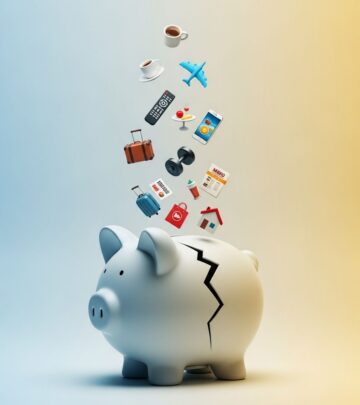
8 Self-Destructive Habits That Keep You in Debt
Break free from debt by identifying and eliminating these 8 common self-destructive habits that trap you in a cycle of financial struggle.

Debt can feel like an inescapable trap, but often it’s fueled by everyday habits that sabotage your financial progress. Why is it so hard to climb out of debt? Because it’s so easy to fall into it through self-destructive behaviors. This article breaks down eight common habits that keep people stuck in debt, drawing from real-world financial insights and expert advice. By recognizing and breaking these patterns, you can pave the way to debt-free living. According to the Federal Reserve, U.S. household debt reached $17.5 trillion in 2024, with credit card balances alone surpassing $1 trillion, highlighting the widespread impact of poor financial habits.
Acknowledging these habits is the first step, much like admitting a problem in any recovery process. As financial experts emphasize, carrying revolving credit card debt at over 20% interest rates makes everything more expensive and hurts credit scores. Breaking these cycles requires mindfulness, budgeting, and deliberate action.
1. Keeping up with the Joneses
The urge to match your neighbors’ lifestyle—new cars, lavish vacations, designer clothes—leads to unnecessary spending and debt accumulation. This social comparison trap pushes people to live beyond their means, financing purchases they can’t afford outright. Social pressure amplifies it; seeing others’ highlight reels on social media creates a false sense of inadequacy.
To break this habit:
- Focus on your own financial goals rather than others’ appearances.
- Practice gratitude for what you have; studies from the American Psychological Association show gratitude reduces impulsive spending.
- Unfollow or mute social media accounts that trigger envy.
Real change comes from redefining success on your terms. The Consumer Financial Protection Bureau (CFPB) notes that lifestyle inflation contributes to 40% of credit card debt cases, underscoring the need for personal benchmarks over peer comparisons.
2. Impulse Buying
Impulse buying strikes at checkout lines, online ads, or sales events, where emotional triggers override rational thought. That ‘must-have’ gadget or outfit adds up quickly, often on credit, leading to regret and interest payments. Retailers exploit this with limited-time offers and urgency tactics.
Combat impulse buys with these strategies:
- Implement a 24-48 hour waiting period before non-essential purchases.
- Use cash only for discretionary spending to feel the pain of parting with money.
- Track triggers: boredom, stress, or ads? Address the root cause.
The average American makes 30 impulse purchases monthly, per a 2023 Bankrate survey, costing over $300 yearly. High-interest debt from these habits compounds the problem, as noted by budgeting expert Andrea Woroch.
3. Playing the Victim
Blaming external factors—economy, job loss, or ‘bad luck’—for debt prevents personal accountability. This victim mentality shifts responsibility away from spending choices, stalling progress. While circumstances matter, owning your role is key to change.
Shift to empowerment:
- Conduct a spending audit: list all debts and their origins.
- Set small, actionable goals like cutting one expense weekly.
- Seek free resources from the National Foundation for Credit Counseling (NFCC).
Victim thinking thrives in denial, but as the CFPB reports, 70% of debt is consumer-driven, not solely economic. Taking control builds resilience and momentum.
4. Practicing “Retail Therapy”
Using shopping to soothe stress or emotions provides temporary highs but long-term debt. This addictive cycle mimics substance abuse, with dopamine hits from purchases masking deeper issues like anxiety or loneliness.
Alternatives for emotional relief:
- Exercise, meditation, or hobbies that don’t cost money.
- Journal spending urges to uncover patterns.
- Build an emergency fund to reduce stress-induced spending.
A 2024 study by the NFCC found 25% of Americans use retail therapy regularly, correlating with higher debt levels. Replace it with sustainable coping mechanisms for lasting relief.
5. Bailing Out Your Adult Children
Financially rescuing grown kids—paying rent, phones, or cars—undermines their independence and drains your resources. Good intentions lead to enabling dependency, perpetuating debt across generations.
- Set boundaries: offer advice, not cash.
- Encourage their budgeting with tools like Mint or YNAB.
- Prioritize your retirement; Social Security Administration data shows many parents outlive savings due to family support.
This habit risks your financial security. Experts from the AARP recommend phased support to foster self-reliance.
6. Treating Credit Cards Like Cash
Misusing credit cards as ‘free money’ ignores interest accrual. Minimum payments create a debt snowball, where balances grow exponentially. With rates over 20%, per Federal Reserve data, this habit is devastating.
Smart credit use:
- Pay balances in full monthly.
- Use cards for rewards only on budgeted items.
- Consider balance transfers to 0% APR cards for debt consolidation.
Average U.S. credit card debt hit $8,000 in 2025, per CBS News, largely from revolving balances.
7. Paying for Unused Subscriptions and Services
Forgotten streaming, gym, or app subscriptions siphon hundreds yearly. Auto-renewals make them invisible, yet they compound on credit cards.
Audit and cut:
- Review statements monthly; cancel via apps like Rocket Money.
- Switch to cheaper plans, e.g., MVNOs at $30/month vs. $157.
- Share family plans ethically.
A WhistleOut survey reveals average overpayments of $100+ monthly. Experts like Woroch advocate negotiation tools for savings.
8. Buying Food You Don’t Need
Overspending on groceries—impulse snacks, eating out, waste—ranks as the third-largest household expense, per U.S. Bureau of Labor Statistics (BLS). Food debt fuels credit card use amid inflation.
Frugal food strategies:
- Meal plan weekly; shop with a list.
- Buy generics, bulk staples; avoid prepared foods.
- Use apps for coupons and cashback.
BLS data shows average annual food spending at $5,703 per household, with 30% waste. Mindful habits reclaim this budget.
Overcoming These Habits: A Step-by-Step Plan
To escape debt, combine habit-breaking with structure:
| Step | Action | Expected Impact |
|---|---|---|
| 1. Acknowledge | List all debts honestly | Mental shift to action |
| 2. Budget | Track income vs. expenses | Identify leaks |
| 3. Prioritize | High-interest debt first | Reduce total cost |
| 4. Build Emergency Fund | $1,000 starter goal | Prevent new debt |
| 5. Review Monthly | Adjust as needed | Sustain progress |
This plan, inspired by NFCC guidelines, has helped millions. Track progress for motivation.
Frequently Asked Questions (FAQs)
Q: How do I start acknowledging my debt problem?
A: List all debts in a spreadsheet, confront the total, and visualize freedom post-debt. This ‘mirror moment’ builds resolve.
Q: What’s the fastest way to pay off credit card debt?
A: Use debt avalanche—target highest interest first—or balance transfers to 0% APR. Review budgets to avoid recurrence.
Q: Can frugality really lead to happiness?
A: Yes, reducing debt stress boosts well-being, per psychological studies linking financial security to life satisfaction.
Q: How much do unused subscriptions cost on average?
A: Up to $200+ yearly per household; audit bills quarterly to eliminate.
Q: Is food overspending a big debt driver?
A: Absolutely—BLS data shows it’s a top category; meal prepping cuts it by 25%.
Breaking these habits demands discipline but yields freedom. Start today for a debt-free tomorrow.
References
- Household Debt and Credit Report — Federal Reserve Bank of New York. 2024-11-01. https://www.newyorkfed.org/microeconomics/hhdc.html
- 3 bad money habits experts say you need to break in 2025 — CBS News. 2024-12-15. https://www.cbsnews.com/news/bad-money-habits-experts-say-you-need-to-break-in-2025/
- Consumer Expenditure Survey — U.S. Bureau of Labor Statistics. 2024-09-10. https://www.bls.gov/cex/
- Credit Card Market Report — Consumer Financial Protection Bureau. 2024-06-01. https://www.consumerfinance.gov/data-research/credit-card-data/
- Financial Counseling Services — National Foundation for Credit Counseling. 2024-01-15. https://www.nfcc.org/
Similar Articles








Read full bio of medha deb