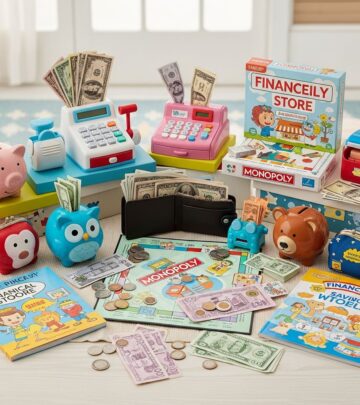
8 Reasons the Easter Bunny Should Give Money Instead of Candy
Discover why swapping Easter candy for cash teaches kids better financial habits while saving your family money and health.

In 2015, the average family spent about $140 on Easter-related goodies, much of it on sugary treats that provide fleeting joy but long-term issues. While Easter baskets overflowing with candy are a tradition, consider having the Easter Bunny hop in with cash instead. This simple switch offers profound benefits for children’s health, finances, and future habits. Below, we explore eight key reasons why money trumps candy every time, backed by practical insights and family-friendly strategies.
1. It’s Cheaper in the Long Run
Candy costs add up quickly. A single Easter basket can easily exceed $30 with chocolates, jelly beans, and novelty treats, and that’s before considering bulk purchases or premium brands. According to the National Retail Federation, Easter spending has hovered around $140-$150 per family for years, with candy comprising a significant portion. Money, however, costs exactly what you put in—no markups, no waste.
Consider the economics: High-quality chocolate eggs retail for $1-2 each, and a full basket might include 20+ items. Opt for crisp bills or coins instead, and you control the amount—say, $20-50 total. This saves money immediately and teaches value. Families report reusing Easter money hunts year after year with play money leading to real cash, extending the fun without extra expense.
- Average candy basket cost: $25-40
- Equivalent cash gift: $20 (adjustable)
- Annual savings potential: $100+ per family
Over multiple children and years, these savings compound, freeing up funds for education or vacations.
2. Better for Their Health
Sugar overload is a modern Easter plague. Children consume massive amounts of candy—often 5,000+ calories in a weekend—leading to crashes, cavities, and obesity risks. The American Heart Association recommends no more than 25 grams of added sugar daily for kids, yet one chocolate bunny exceeds that. Money eliminates these risks entirely.
Healthier kids mean fewer doctor visits. Pediatric dentists note a spike in cavities post-Easter, with sugar contributing to enamel erosion. Cash encourages active hunts, burning calories instead of packing them on. Parents observe improved behavior without post-sugar meltdowns, fostering a positive holiday vibe.
| Issue | Candy | Money |
|---|---|---|
| Sugar Intake | High (100g+) | Zero |
| Calories | 2,000-5,000 | 0 |
| Dental Health | Risk of cavities | No risk |
Swapping sweets for savings promotes lifelong wellness habits.
3. Teaches the Value of Money
Candy disappears in days; money lasts and multiplies. Giving cash introduces kids to earning, saving, and spending concepts early. Hide bills in eggs for a treasure hunt that mirrors real-life financial discovery. This hands-on approach beats abstract lectures.
Educators emphasize experiential learning. A $1 bill found in an egg feels rewarding, sparking questions like, “What can I buy?” Guide them to banks or jars, turning Easter into finance class. Studies from financial literacy programs show early money exposure predicts better adult habits.
- Hide coins for toddlers to grasp basics.
- Include notes with bills for older kids: “Save half, spend half.”
- Family matching: Double found money for savings accounts.
4. Avoids the Candy Hangover
The post-Easter slump is real—hyperactivity followed by crashes. Irritable kids ruin family brunches. Money keeps energy steady, focusing fun on games and gatherings. No wrappers littering the floor, no tummy aches derailing plans.
Behavioral experts link sugar spikes to mood swings. Parents switching to cash report calmer, happier holidays. Pair hunts with outdoor activities for maximum joy without the comedown.
5. Encourages Saving Habits
Cash in hand teaches delayed gratification. Instead of instant candy gratification, kids learn to save for bigger goals—a toy, game, or charity. Set up a family savings challenge: Whoever saves their Easter money longest gets a bonus.
The power of compound interest starts small. A $20 Easter stash at 1% APY grows subtly, but the lesson endures. Financial advisors recommend starting kids with real money; Easter is perfect timing. Tools like kid-friendly bank accounts amplify this.
Pro Tip: Use apps like Greenlight for tracked spending, turning Easter funds into teachable moments.
6. Customizable to Age and Interests
Unlike generic candy, money adapts. Toddlers get shiny coins; teens receive larger bills or gift cards. Tailor amounts to milestones—$1 per year of age. This personalization makes Easter memorable and equitable.
For varied interests, mix cash with notes suggesting uses: books, sports gear, or donations. Families customize hunts by age groups, ensuring fairness. No more “allergic to chocolate” dilemmas.
7. Promotes Family Financial Conversations
Easter money opens dialogue. Discuss budgeting around the table: “How will you use your bunny bucks?” This demystifies money, countering silence some parents maintain. Experts from Jump$tart Coalition advocate family money talks for better outcomes.
Activities like group savings goals build unity. Track progress visually with jars, celebrating milestones. These chats normalize finance, preparing kids for independence.
8. More Memorable and Lasting
Candy is forgotten; money creates stories. “Remember the year the bunny hid $50 in the garden?” lingers longer than chocolate stains. It builds anticipation and pride in smart choices.
Long-term, kids recall financial lessons over sugar highs. Families transitioning report kids requesting cash over candy, perpetuating the cycle positively.
Frequently Asked Questions (FAQs)
What if my kids expect candy?
Transition gradually: Mix small candy amounts with cash first year, phasing out sweets. Frame as a “bunny upgrade” for grown-up fun.
How much money should the Easter Bunny give?
$1 per year of age is a popular rule—$5 for a 5-year-old, scaling up. Adjust for family budget; focus on lesson over amount.
Isn’t money boring compared to candy?
Not with creative hunts! Use plastic eggs, riddles, maps. Add family games like scavenger hunts for excitement.
Can this work for large families?
Yes—scale hunts by zones or teams. Total costs stay lower than bulk candy buys.
What about non-cash alternatives?
Books, toys, or experiences pair well, but cash teaches most directly. Combine for variety.
Conclusion: A Smarter Easter Tradition
Reimagining the Easter Bunny as a financial mentor transforms a sugar-fueled holiday into an opportunity for growth. Healthier, wealthier kids start with one hop away from candy. Implement these tips for a joyful, frugal Easter that pays dividends for years.
References
- National Retail Federation: Easter Spending Survey — NRF. 2015. https://nrf.com/media-center/press-releases/new-nrf-survey-shows-consumers-will-spend-162-on-easter
- American Heart Association: Sugar Recommendations — AHA. 2023-10-01. https://www.heart.org/en/healthy-living/healthy-eating/eat-smart/sugar/added-sugars
- Jump$tart Coalition: Financial Literacy Guidelines — Jump$tart. 2024. https://www.jumpstart.org/what-we-do/standards/
- Consumer Financial Protection Bureau: Youth Financial Education — CFPB. 2023-05-15. https://www.consumerfinance.gov/consumer-tools/educator-tools/youth-financial-education/
- Centers for Disease Control: Childhood Obesity Facts — CDC. 2024-01-20. https://www.cdc.gov/obesity/data/childhood.html
Similar Articles








Read full bio of medha deb