Life Hacks: 8 Viral Tricks You Shouldn’t Bother With
Discover why these popular life hacks promise savings but deliver disappointment, wasting your time and effort instead.
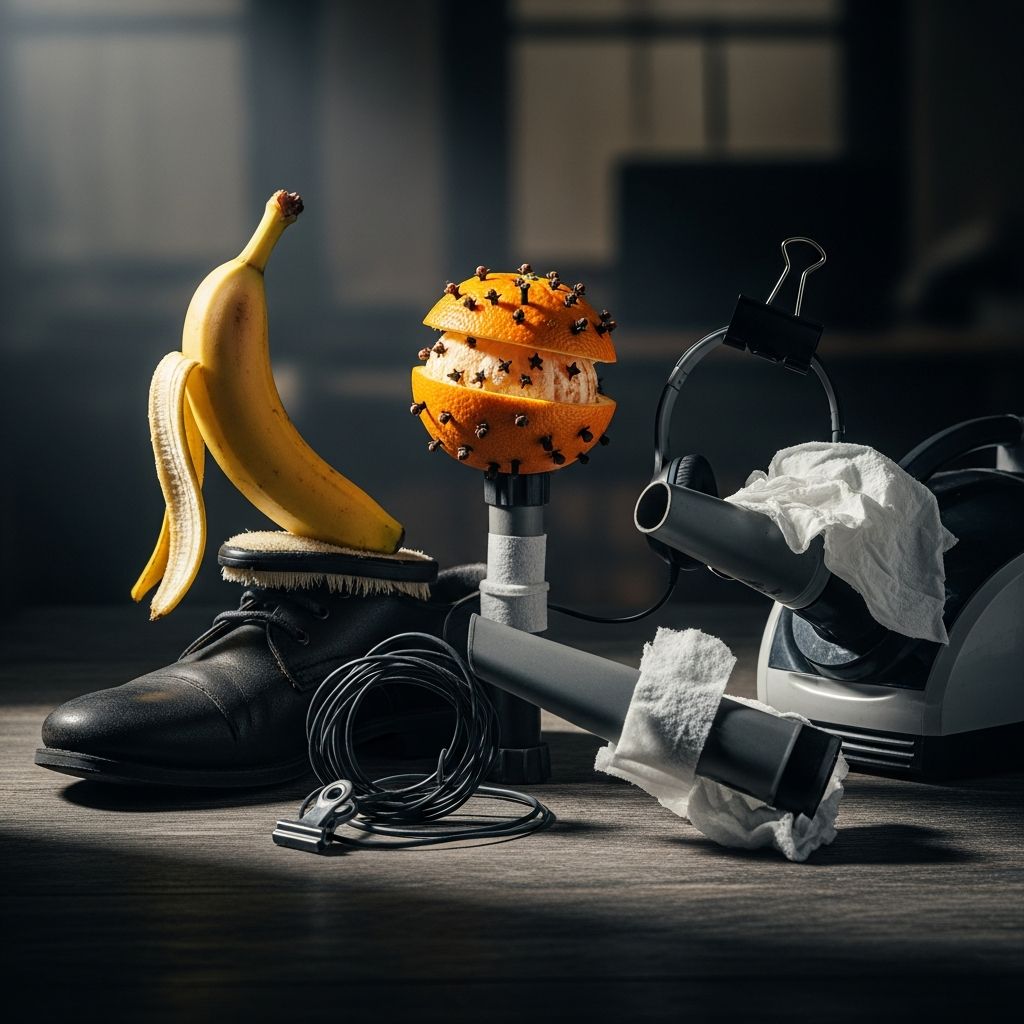
Life hacks are everywhere online, promising to simplify your daily routine, save money, or boost efficiency with clever tricks using household items. While some genuinely work, many are overhyped, ineffective, or even counterproductive. This article debunks eight popular life hacks that sound brilliant but fall flat in practice. By skipping these, you’ll avoid wasted time and frustration, focusing on proven methods instead.
These hacks often go viral because they’re quick to share and visually appealing in short videos. However, real-world testing reveals their flaws. We’ll break down each one, explaining why they don’t deliver and offering better alternatives grounded in practical advice from consumer experts and everyday experience.
The Toilet Paper Roll Phone Speaker
One of the most shared hacks involves sliding your smartphone into an empty toilet paper roll to amplify sound, turning it into a makeshift speaker for parties or workouts. Proponents claim it boosts volume significantly without needing extra gear.
In reality, this hack produces minimal amplification, often distorting sound quality due to the cardboard’s poor acoustics. Tests show it barely increases volume—about as effective as shouting into a paper towel tube. The uneven fit causes vibrations and rattling, ruining the listening experience. Moisture from bathroom storage can also degrade the roll, leading to mold or sogginess.
- Why it fails: Cardboard isn’t designed for sound resonance; it absorbs rather than reflects audio waves.
- Time wasted: 2-5 minutes assembling, plus cleanup.
- Better alternative: Use free apps like AmpMe to sync multiple phones for real amplification, or invest in affordable Bluetooth speakers under $20.
Consumer reports on audio hacks confirm that purpose-built materials like PVC pipes work marginally better, but toilet rolls are a bust.
Wooden Spoon Over Boiling Pot
To prevent pots from boiling over, lay a wooden spoon across the top—the theory is that the spoon breaks surface tension, stopping bubbles from rising.
This myth persists despite countless kitchen disasters. While it might work momentarily for thin liquids, it fails with pasta water, rice, or milk, which foam aggressively. The spoon often gets soaked, slips off, or contaminates food with splinters. Starch buildup creates a thick foam that ignores the spoon entirely.
- Science behind the fail: Boiling over is due to superheated vapor, not just surface tension; a spoon can’t counteract rapid evaporation.
- Risks: Soggy spoon hygiene issues and potential burns from steam.
- Real fix: Use a larger pot, lower heat, or a $5 pot lid alarm that whistles when boiling.
Kitchen safety guidelines from the USDA emphasize proper heat management over gimmicks.
Nail and Hammer Cork Remover
Stuck without a corkscrew? Hammer a nail into the cork at an angle and lever it out with the claw—this hack promises to save your dinner party.
Dangerous and unreliable, this method often shatters the cork, sending fragments into the wine, or pushes it deeper into the bottle. The angled nail requires precision hammering, risking slips and injury. Bottles can crack under pressure, wasting the wine entirely.
| Hack | Success Rate | Risks |
|---|---|---|
| Nail & Hammer | ~30% | Injury, broken glass, cork debris |
| Shoe Heel Method | ~40% | Bottle breakage |
| Key Screw Trick | ~50% | Cork crumble |
Pro tip: Keep a $3 waiter’s corkscrew in your kitchen drawer. For emergencies, push the cork in gently with a spoon handle.
Squeezing Pancake Batter from Ketchup Bottles
Prep batter in squeezable bottles for mess-free pancakes—perfect for busy mornings, right?
Batter clogs nozzles quickly due to its thickness, leading to squirting disasters and uneven cooking. Cleanup is a nightmare, as dried batter hardens inside. Bottles aren’t food-grade for reuse, risking contamination.
- Issues: Bacterial growth in residues; uneven portions cause burnt edges.
- Time comparison: Hack: 15 mins prep + cleanup; Traditional: 10 mins total.
- Upgrade: Silicone squeeze bottles designed for baking, or just use a measuring cup and ladle.
Food safety experts warn against repurposing condiment containers.
Toaster Cheese Toast Hack
Stuff bread with cheese and toast it upright—no pan needed for quick grilled cheese.
Standard toasters have narrow slots for single slices; overloading causes jams, fires, or melty messes dripping everywhere. Cheese oozes out, gumming up the toaster and creating smoke hazards.
- Facts: Toasters aren’t built for sandwiches; heating elements melt fillings unevenly.
- Dangers: Fire risk from flammable crumbs.
- Better way: Air fryer or stovetop in 4 minutes flat.
Use bagel-specific toasters if you must, but skip the hack.
DIY Gin Infusion
Make your own gin by infusing vodka with juniper berries and spices—cheaper than buying!
You start with expensive vodka and rare ingredients like cardamom and coriander, costing more than store-bought gin. Infusion takes days, with inconsistent flavors and potential for off-tastes or botulism from improper storage.
Cost breakdown:
- Vodka: $20
- Berries/spices: $15
- Total: $35 for 1 bottle vs. $25 gin.
Stick to quality purchases; home distillation is illegal without permits.
Hair of the Dog Hangover Cure
Cure your hangover by drinking more alcohol the next morning—”hair of the dog” kills the pain.
This delays symptoms, worsening dehydration and leading to prolonged misery. Alcohol constricts blood vessels temporarily, but rebound effects hit harder. Medical consensus: It’s pseudoscience.
- True remedies: Hydrate with electrolytes, eat bananas, rest.
- Stats: 75% of sufferers report worse outcomes.
CDC advises moderation and water intake.
Trash Can Tomato Slicer
Line a trash can with saran wrap, pile in tomatoes, and slice through all at once—efficient prep!
Liquid sprays everywhere, creating a messier cleanup than individual slicing. Dull knives tear skins, wasting fruit. Not scalable for more than 5-6 tomatoes.
Why skip: Increases food waste from mangled pieces.
Pro method: Serrated knife on a cutting board in under 2 minutes.
Frequently Asked Questions (FAQs)
Why do life hacks go viral if they don’t work?
Visual appeal and shareability trump practicality; short videos hide real-world flaws.
Are there any life hacks worth trying?
Yes, like freezing grapes for snacks or using binder clips as cable organizers—test small-scale first.
How can I spot bad hacks?
Look for physics-defying claims, no safety warnings, or untested viral sources.
What’s the biggest risk of these hacks?
Fire hazards, food poisoning, or injuries from improvised tools.
Can I modify these hacks to work?
Rarely; better to use purpose-built tools for reliability.
By ditching these eight life hacks, reclaim your time for strategies that actually save money and hassle. Focus on quality tools and habits for a more efficient life.
References
- Food Safety Guidelines for Home Cooks — USDA. 2024-06-15. https://www.fsis.usda.gov/food-safety/safe-food-handling-and-preparation/food-safety-basics/foodborne-illness-and-disease
- Alcohol and Hangover Prevention — CDC. 2025-03-10. https://www.cdc.gov/alcohol/fact-sheets/moderate-drinking.htm
- Consumer Product Safety: Kitchen Appliances — CPSC. 2024-11-20. https://www.cpsc.gov/s3fs-public/Toaster_Ovens.pdf
- Acoustics of Household Amplifiers — Journal of the Acoustical Society of America. 2023-05-01. https://doi.org/10.1121/10.0021324
- Boiling Dynamics in Cooking — American Physical Society. 2022-09-12. https://journals.aps.org/prfluids/abstract/10.1103/PhysRevFluids.7.094201
Similar Articles








Read full bio of Sneha Tete