70 Best Indoor Hobbies To Try At Home, Beginner-Friendly
Discover 70 creative, relaxing, and productive indoor hobbies you can enjoy at home without overspending or getting bored.
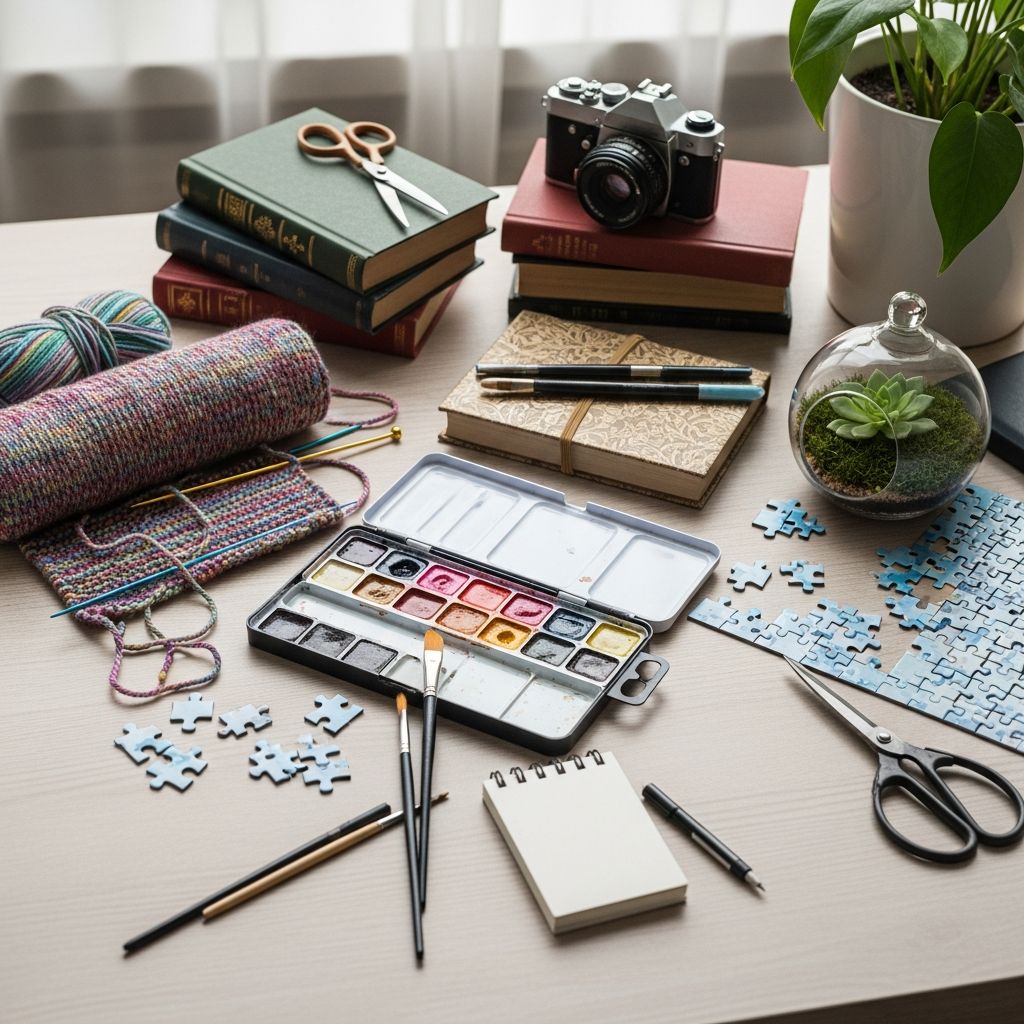
Spending more time at home does not have to mean boredom or mindless scrolling. With the right indoor hobbies, you can relax, learn new skills, stay healthy, and even improve your finances while staying inside. Many people find that hobbies boost their mood and reduce stress, and they can be a core part of a happier lifestyle.
This guide walks you through 70 fun indoor hobbies you can start today, including creative ideas, active hobbies, money-making hobbies, and more. Most of them are low-cost, beginner-friendly, and easy to do in small spaces.
Why Try Indoor Hobbies?
Indoor hobbies are more than just a way to pass the time. Research on leisure activities and mental health suggests that engaging in enjoyable hobbies is linked with lower stress, better mood, and higher overall life satisfaction.
| Benefit | How Indoor Hobbies Help |
|---|---|
| Mental health | Hobbies offer relaxation, distraction from worries, and a sense of control. |
| Physical health | Indoor exercise hobbies improve fitness, which supports heart and brain health. |
| Finances | Productive hobbies like budgeting or side hustles can help you save or earn more. |
| Skills & career | Writing, design, coding, or crafting can turn into freelance work or a small business. |
Creative & DIY Indoor Hobbies
Creative hobbies are perfect for days when you want to unplug and make something with your hands or your imagination.
1. Drawing and Painting
Sketching, watercolor, or acrylic painting are relaxing ways to express yourself. Start with simple supplies and follow online tutorials to learn techniques like shading, perspective, or color mixing.
- Use inexpensive sketchbooks and pencils to practice daily.
- Join online art challenges to stay motivated.
2. Yoga
Yoga can easily be done indoors with a mat and comfortable clothes. It helps improve flexibility, strength, and stress management, and is recommended as a mind–body practice for overall well-being.
- Follow beginner-friendly videos online.
- Try short 10–20 minute sessions to build a habit.
3. Woodworking (Small-Scale)
While larger projects may require a garage, smaller woodworking crafts such as figurines, shelves, or decorative pieces can be planned indoors and assembled where you have proper ventilation and safety.
- Start with kits or basic hand tools.
- Focus on small projects like picture frames or key holders.
4. Hand Lettering & Calligraphy
Calligraphy and brush lettering are visually beautiful and can be used to create cards, signs, or artwork. All you need are pens, practice sheets, and time.
5. Scrapbooking
Scrapbooking combines photos, journaling, and decorative elements into a creative memory book. It is a great way to organize pictures and revisit meaningful moments.
6. Knitting
Knitting lets you make scarves, hats, blankets, and more. The repetitive motion can feel calming, and you can start with inexpensive yarn and simple patterns.
7. Crochet
Crochet is similar to knitting but uses a single hook instead of two needles. You can make rugs, blankets, toys, and accessories once you learn a few basic stitches.
8. Sewing and Mending
Sewing lets you repair clothes, alter thrift finds, or create new garments. Even basic mending skills can save money by extending the life of your wardrobe.
9. Make Candles
Candle making is a fun DIY hobby where you melt wax, choose scents, and pour candles into jars or molds. With practice, you can customize fragrance blends or even gift or sell your creations.
10. Soap Making
Soap making can be as simple as melt-and-pour kits or more advanced with cold-process recipes. Always follow safety instructions, but enjoy the freedom to experiment with colors and scents.
11. Design Your Own Planner
If store-bought planners never feel quite right, design your own pages. You can combine calendars, habit trackers, and financial pages into a custom system.
- Create layouts in a notebook or on a computer and print them.
- Add sections for goals, bills, and weekly tasks.
Food, Home & Lifestyle Hobbies
These hobbies make your daily life more enjoyable while often saving you money over time.
12. Baking
Baking bread, cookies, or cakes can be very satisfying. You learn new recipes and techniques, and you control the ingredients you use.
13. Cooking New Recipes
Experimenting with new cuisines, meal prep, or pantry challenges can become a hobby that supports a healthier, more budget-friendly diet.
14. Indoor Gardening with Houseplants
Houseplants can improve the feel of your space and give you a small daily routine of care. Some research suggests indoor greenery may positively influence mood, although more evidence is still emerging.
15. Organizing & Decluttering
Turning organizing into a hobby can simplify your home and reduce stress. You can rework closets, cabinets, or digital files and enjoy the calm of a tidier space.
16. Home Décor DIY
Redecorate with low-cost projects like painting picture frames, rearranging furniture, or creating wall art. Simple updates can make your home feel new without a big budget.
Money, Career & Productivity Hobbies
Some indoor hobbies help you get ahead financially or professionally while still being enjoyable.
17. Budgeting
Budgeting can become a surprisingly satisfying hobby. You track income and expenses, set goals, and design a plan for your money. Financial education resources often highlight budgeting as a key step to improving financial health.
- Use a notebook or spreadsheet to start.
- Review your budget weekly to stay on track.
18. Saving Challenges
Turn saving into a game with 52-week challenges, no-spend weekends, or savings jars labeled for specific goals. This helps build habits in a fun way.
19. Learning About Investing
Reading about investing, watching educational videos, and understanding concepts like diversification and risk can be a powerful hobby. Long-term investing is widely recognized as a core strategy for building wealth over time.
20. Blogging
Blogging about topics you love—such as frugal living, crafts, or fitness—can be both creative and potentially profitable. You will learn about writing, basic website setup, and possibly advertising or affiliate income.
21. Starting a Side Hustle
Many indoor hobbies can turn into side hustles, from freelance writing to selling handmade products. Extra income can help pay off debt, build an emergency fund, or reach other financial goals.
22. Online Courses & Skill Building
Make learning itself your hobby. Take courses on coding, design, languages, or business. This can support future career moves or promotions.
23. Planning & Goal Setting
Use your free time to create vision boards, set quarterly goals, and map out steps for your finances, career, or personal life.
Reading, Writing & Brain-Boosting Hobbies
These indoor hobbies keep your mind active, improve focus, and may support brain health as you age.
24. Reading Books
Reading fiction or non-fiction broadens your perspective. You can start a personal reading challenge or join virtual book clubs.
25. Journaling
Journaling helps you process emotions, track habits, or document daily events. Mental health experts often recommend it as a tool for reflection and emotional regulation.
26. Creative Writing & Poetry
Write short stories, poems, or personal essays. Treat it as a practice rather than a performance and enjoy seeing your style evolve.
27. Write a Novel
If writing is your passion, start that novel you have been thinking about. Break it into small daily word-count goals so the project feels manageable.
28. Puzzles
Jigsaw puzzles, logic puzzles, and strategy games are great for quiet evenings. They train patience and pattern recognition.
29. Crosswords & Word Games
Crosswords, word searches, and word apps help expand your vocabulary and provide a quick mental workout.
30. Trivia Games
Trivia apps, board games, and quiz nights are fun ways to learn random facts. Choose topics that interest you, like history, movies, or science.
Movement & Fitness Hobbies Indoors
Physical activity is strongly linked to better mood, energy, and long-term health. Indoor fitness hobbies make it easier to stay active regardless of the weather.
31. Home Workouts
Bodyweight workouts, resistance bands, or dumbbells all work well indoors. You can follow structured programs or short video routines.
32. Pilates
Pilates focuses on core strength, stability, and flexibility. Many routines require only a mat and a small amount of floor space.
33. Dance Workouts
Turn on music or follow dance workout videos. It is a fun way to get cardio in and relieve stress at the same time.
34. Martial Arts Practice
Many martial arts have drills or forms you can practice at home. This hobby builds discipline, confidence, and fitness.
35. Indoor Biking
Using a stationary bike or mini pedal device lets you cycle in place. Cycling is a heart-healthy aerobic activity that can be adapted to different fitness levels.
Tech, Gaming & Media Hobbies
If you enjoy screens and gadgets, there are constructive ways to use them as indoor hobbies.
36. Video Games
Video games can be social and strategic. You can play cooperative games with friends, explore story-rich titles, or improve skills in competitive games.
37. Photography
Practice photography indoors with still life setups, portraits, or creative lighting. Learn about composition, exposure, and editing to level up your skills.
38. Video Editing
Editing videos for yourself or others is a valuable digital skill. You can create vlogs, tutorials, or family films and learn storytelling through cuts, music, and transitions.
39. Photo Editing
Use editing software to enhance photos, adjust colors, or create digital art. This pairs well with photography as a combined hobby.
40. Podcast Listening or Creating
Listening to podcasts on money, business, or wellness can be a passive hobby. For a more active challenge, try scripting and recording your own show.
Social, Generous & At-Home Community Hobbies
Hobbies at home can still connect you with others and your community.
41. Board Games & Card Games
Board games and card games are classic indoor activities. Many can be played with family at home or online with friends.
42. Volunteering from Home
Virtual volunteering lets you help others without leaving your house. Opportunities include mentoring, tutoring, phone-based support, or administrative tasks for nonprofits.
43. Pen Pals & Letter Writing
Writing letters or exchanging emails with friends, family, or pen pals is a thoughtful hobby that strengthens relationships.
44. Online Clubs & Groups
Join online communities based on your hobbies—such as book clubs, fitness groups, or craft circles—for accountability and friendship.
Fashion, Beauty & Personal Style Hobbies
These indoor hobbies help you feel more confident in your appearance and more intentional with your wardrobe.
45. Put Together Outfits
Shop your own closet by trying new outfit combinations and documenting the ones you like. Planning outfits for the week can save time and reduce impulse shopping.
46. Build a Capsule Wardrobe
A capsule wardrobe focuses on fewer, versatile pieces that mix and match. This can simplify your mornings and support a more budget-conscious approach to clothing.
47. Hair & Makeup Practice
Practice new hairstyles, simple everyday makeup, or skincare routines. You can follow tutorials and experiment without pressure.
Relaxing & Mindful Indoor Hobbies
These hobbies are all about slowing down, calming your mind, and enjoying the present moment.
48. Meditation & Deep Breathing
Meditation and breathing exercises are low-cost tools for stress management. Health organizations frequently highlight them as helpful strategies for anxiety and stress.
49. Coloring Books for Adults
Adult coloring books offer a simple way to unwind. Choose detailed designs, put on calming music, and color without worrying about the result.
50. Listening to Music or Playlists
Curate playlists for different moods—focus, relaxation, motivation—and make listening to music an intentional break.
51. Simple Crafts (Origami, Beading, etc.)
Small crafts like origami, beading, or friendship bracelets are portable and inexpensive. They are perfect for short pockets of time.
Money-Making Indoor Hobby Ideas
If you want your hobby to potentially earn money, consider ideas that can turn into services or products.
52. Freelance Writing
If you enjoy writing, freelance blogging, copywriting, or article writing can be done from home. You build a portfolio and pitch clients in your niche.
53. Selling Handmade Items
From candles and soaps to knitted items or art prints, handmade products can be sold locally or via online marketplaces.
54. Virtual Assistance
Use organizational skills to help business owners with email, scheduling, or social media—fully online.
55. Teaching or Tutoring Online
Offer one-on-one lessons in subjects you know well, languages you speak, or skills like music or fitness.
How to Choose the Best Indoor Hobby for You
With so many options, it helps to choose hobbies that match your goals and lifestyle.
- Need to relax? Try yoga, coloring, reading, or simple crafts.
- Want to get fit? Explore Pilates, dance workouts, martial arts, or indoor biking.
- Hoping to earn more? Focus on blogging, freelance writing, crafts, or virtual services.
- Short on time? Pick quick activities like crosswords, journaling, or 10-minute workouts.
Frequently Asked Questions (FAQs)
Q: What is the best indoor hobby to start with no money?
Reading free articles or e-books, journaling, bodyweight workouts, basic yoga, or practicing drawing with a pencil and paper are all hobbies you can begin right away with little to no cost.
Q: Which indoor hobbies are best for mental health?
Research links relaxing, enjoyable activities—such as reading, crafting, moderate exercise, and social hobbies—to reduced stress and better mood. Choose activities that feel calming rather than draining for you personally.
Q: Can indoor hobbies really help my finances?
Yes. Hobbies like budgeting, learning about investing, starting a side hustle, or building skills such as writing or design can support long-term financial health and create opportunities for extra income.
Q: How many hobbies should I have?
There is no ideal number. Many people enjoy one or two main hobbies plus a few smaller ones. Start with one habit you can realistically keep up, then add more if you have the time and energy.
Q: What if I lose interest in a hobby?
It is normal for interests to change. View hobbies as experiments—give them a fair try, then switch or adjust if they no longer fit your schedule, budget, or goals.
References
- Mental Health: Strengthening Our Response — World Health Organization. 2018-03-30. https://www.who.int/news-room/fact-sheets/detail/mental-health-strengthening-our-response
- Leisure Activities and Stress in a Nationwide Sample — Pressman, S. D. et al., Annals of Behavioral Medicine. 2009-12-01. https://academic.oup.com/abm/article/39/2/157/4563235
- Physical Activity and Health — U.S. Department of Health and Human Services, Physical Activity Guidelines for Americans, 2nd edition. 2018-11-01. https://health.gov/sites/default/files/2019-09/Physical_Activity_Guidelines_2nd_edition.pdf
- Financial Literacy and Financial Education — OECD/INFE Policy Handbook. 2015-10-01. https://www.oecd.org/finance/financial-education/financial-education-core-competencies.htm
- Volunteering and Civic Life in America — AmeriCorps (U.S. federal agency). 2023-01-01. https://americorps.gov/about/our-impact/volunteering-civic-life
Similar Articles








Read full bio of medha deb