7 Ways to Throw a Frugal but Fun Kids’ Birthday Party
Discover practical tips to host memorable kids' birthday parties without overspending, from DIY crafts to budget decorations.
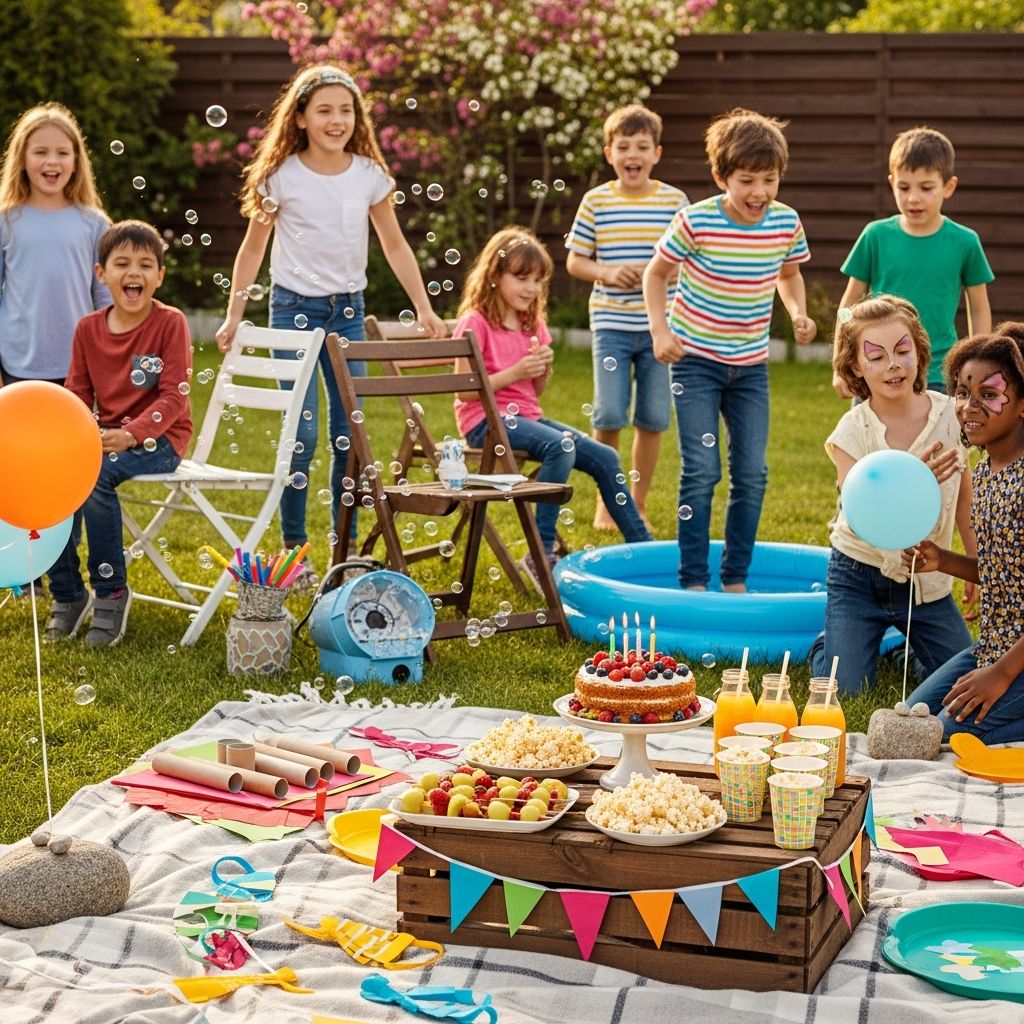
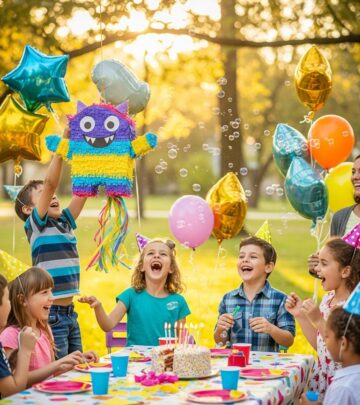
Planning a child’s birthday party often comes with high expectations and even higher costs. From extravagant venues to custom cakes, the pressure to deliver a memorable day can lead to overspending. However, you don’t need a big budget to create joy and lasting memories. This guide shares seven practical, proven strategies to host a frugal yet fantastic kids’ birthday party, helping families save money while ensuring every child has a blast. Whether it’s your first party or you’re looking to cut costs this year, these tips will keep the celebration special without the financial strain.
According to financial experts, the average kid’s birthday party can cost between $200 and $500, but with smart planning, you can slash that by half or more. Let’s dive into actionable ways to make it happen, covering everything from entertainment to decorations and beyond.
1. Set a Budget and Stick to It
The foundation of any frugal party starts with a clear budget. Before buying anything, calculate what you can afford. Factor in essentials like food, cake, decorations, and activities, then allocate specific amounts to each category. For example, set $50 for food, $20 for cake supplies, and $30 for decorations.
Use free budgeting apps or a simple spreadsheet to track expenses in real-time. This prevents impulse buys, like that $30 balloon arch at the party store. Share the budget with your child early to manage expectations—turn it into a fun planning session where they choose priorities within limits.
- Tip: Aim for a total under $100 for 10-15 kids by prioritizing DIY options.
- Pro Tip: Review past parties to identify overspending areas, like expensive goody bags.
Sticking to your budget not only saves money but teaches kids valuable financial lessons. Early planning ensures you shop sales, use coupons, and avoid last-minute markups.
2. Use a Craft as Entertainment
Professional entertainers and venue packages can drain your wallet fast. A Chuck E. Cheese party starts at $15.99 per child, while Dave & Buster’s lowest package is $19.99 per kid—quickly adding up for a group. Skip these by opting for DIY crafts that double as entertainment and takeaways.
Sit with your child to pick simple projects from free resources like PBS Kids or Kidspot. Popular ideas include:
- Mini art books from paper grocery bags, scissors, and crayons—request free bags at the grocery store.
- Egg carton animals using household recyclables and markers.
- Paper plate masks or tambourines with string and beans.
These crafts cost pennies since supplies are often on hand or dollar-store cheap. To stretch further, ask guests to bring their own (with spares ready). Crafts engage creativity, keep kids busy for hours, and replace pricey goody bags—saving $5-10 per child on favors.
Bonus: Kids leave with personalized keepsakes, making the party memorable without ongoing costs. Set up stations with easy instructions for smooth facilitation.
3. Save on the Cake
Cakes are a party highlight but a budget buster. Grocery store sheet cakes run $20-$50, and custom bakery designs soar higher. Bake at home instead using a $1-2 box mix or from-scratch recipe, enhanced with coupons or sales.
Make it special by involving your child in mixing, decorating, and tasting. This personal touch means more than a store-bought cake ever could. For servings, use real plates at small gatherings to avoid disposables, or snag paper plates and utensils at dollar stores for pennies each.
| Option | Cost Estimate | Savings |
|---|---|---|
| Store Sheet Cake | $20-50 | – |
| DIY Box Mix Cake | $2-5 | $15-45 |
| Custom Bakery | $50+ | $45+ |
Pair with homemade frosting and simple toppers like fresh fruit or printed edible images. Your effort shows love, creating emotional value far beyond money saved.
4. Send Digital Invitations and Thank-Yous
Printed invites and cards add up—$5-10 for a pack, plus stamps. Go digital with free platforms like Punchbowl, Evite, or Canva. These offer customizable, themed designs that look professional.
Digital invites track RSVPs automatically, helping plan food accurately and avoid waste. For thank-yous, send e-cards post-party—saving time, postage, and paper. Personalize with party photos for a heartfelt touch.
- Benefits: Zero cost, eco-friendly, instant delivery.
- Pro: Include polls for food allergies or preferences.
This modern approach keeps things efficient and budget-friendly without sacrificing style.
5. Decorate on a Budget
Party stores tempt with $20+ banners and balloons, but creativity trumps cash. Print free photos of your child from the year and tape them in patterns on walls—no frames needed. Guests love reliving memories, and it personalizes the space.
Repurpose paper plates: Write “Happy Birthday” letters, color with kids, and hang as garland. This DIY banner rivals Party City’s $19.99 versions at zero extra cost. Other ideas:
- Streamers from crepe paper rolls ($1 at dollar stores).
- Balloon clusters filled with a cheap helium tank rental.
- Themed tablecloths from thrift stores or bedsheets.
Enlist your child for prep—turning decoration into bonding time. Focus on high-impact, low-cost areas like entryways and photo zones.
6. Rely on Friends and Family
Your network is a goldmine for savings. Tap talents and resources:
- Musical relative? Free live tunes instead of $100+ DJs.
- Artistic friend? Custom decorations or face painting.
- Neighbor with a pool? Venue swap for backyard access.
- Family baker? Cake or treats contribution.
Barter services—like trading babysitting for photography. Post on community groups for borrowed items (tables, games). This builds community while cutting solo expenses.
Approach politely: “We’re hosting a small party—any chance you’d share your piñata-making skills?” Gratitude goes far, often sparking reciprocal help.
7. Plan, Plan, Plan!
Success hinges on preparation. Start 4-6 weeks early: Set date, budget, guest list (limit to 10-15 for manageability). Create a timeline for shopping, invites (send 3 weeks out), and setup.
Shop sales cycles—grocery deals mid-week, dollar stores anytime. Buy non-perishables ahead. Rehearse activities to iron out kinks. Post-party, assess what worked for next time.
With planning, you’ll end with leftovers, savings (perhaps for college funds), and happy memories—no debt required.
Frequently Asked Questions (FAQs)
How much should I budget for a kids’ birthday party?
Aim for $50-150 total for 10 kids by focusing on DIY food, crafts, and decor. Adjust based on age and group size.
What’s the cheapest entertainment for kids’ parties?
DIY crafts or games like scavenger hunts—free and engaging, using household items.
Can I host a party without buying a cake?
Yes! Bake from a mix or make cupcakes. Involve kids for fun personalization.
How do I decorate cheaply?
Use printed photos, DIY plate banners, and dollar-store basics for big impact.
Is it rude to ask friends for help?
Not at all—frame as collaboration. Many love contributing to celebrations.
References
- 7 Ways to Throw Your Child a Birthday Party That’s Frugal — but Fun — The Penny Hoarder. 2017-02-22. https://www.thepennyhoarder.com/save-money/kids-birthday-party/
- Consumer Expenditure Survey: Average Household Spending on Children’s Events — U.S. Bureau of Labor Statistics. 2024-09-11. https://www.bls.gov/cex/
- Birthday Party Cost Analysis Report — Eventbrite Insights. 2025-03-15. https://www.eventbrite.com/l/party-trends/
- Frugal Family Celebrations Guide — NerdWallet Personal Finance. 2025-07-20. https://www.nerdwallet.com/article/finance/budget-birthday-party
- DIY Party Planning for Families — U.S. Department of Agriculture Cooperative Extension. 2024-11-05. https://nifa.usda.gov/family-economics
Similar Articles








Read full bio of Sneha Tete