7 Things You Should Never Do When Camping
Avoid these critical camping mistakes to ensure a safe, enjoyable outdoor adventure with family or friends.
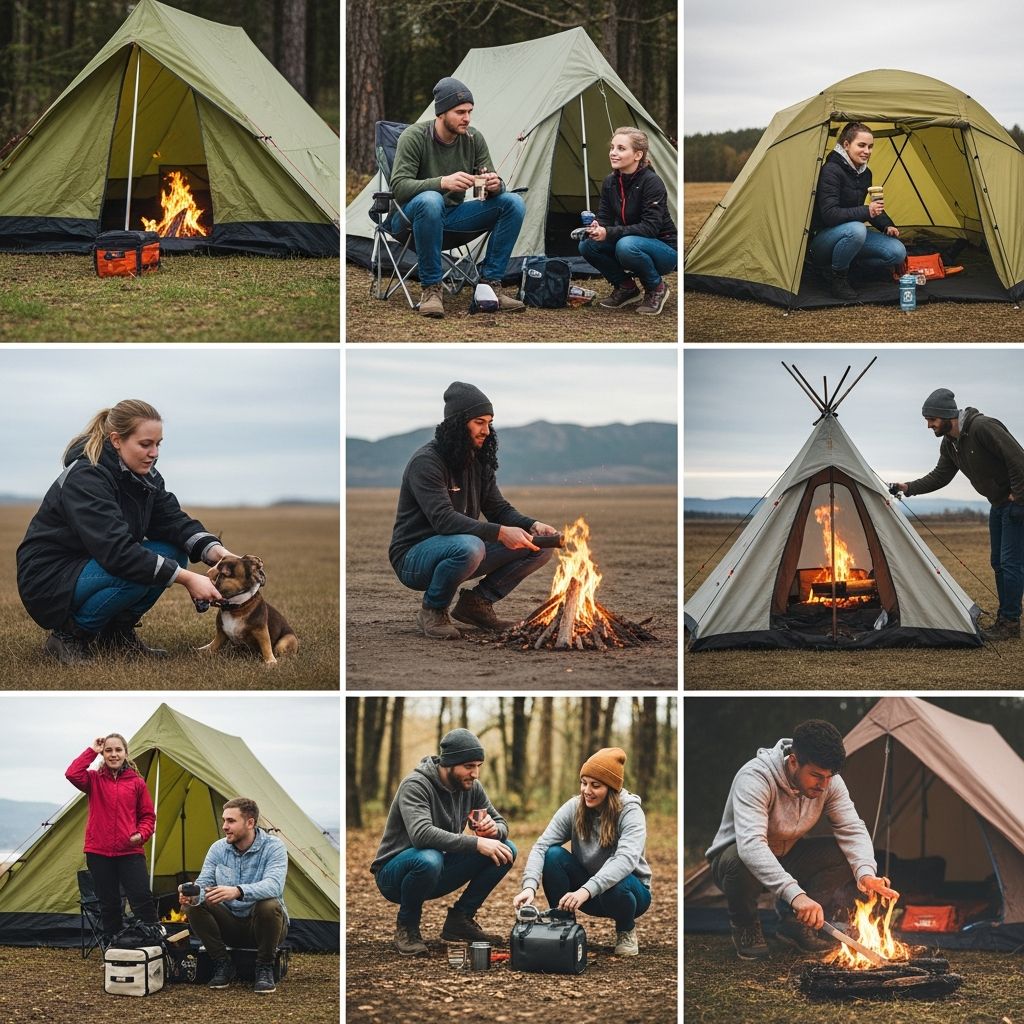
Camping offers a thrilling escape into nature, but common mistakes can turn excitement into frustration or danger. This guide covers the
7 critical things you should never do when camping
, drawing from real-world experiences and expert advice to help you prepare effectively. By avoiding these pitfalls, you’ll maximize enjoyment and safety on your next outdoor adventure.1. Get There in the Dark
Arriving at your campsite after sunset is one of the
worst camping mistakes
beginners make. Setting up a tent, organizing gear, and finding a safe spot become nearly impossible in low light, increasing risks of injury or poor site selection.For instance, campers have chosen flood-prone areas hidden in darkness, only to wake up soaked from runoff channels they missed. Plan to reach your site by early afternoon. This allows time to assess the terrain, pitch your tent on high, dry ground away from slopes, and explore safely.
- Check driving times and add buffers for traffic or stops.
- Research campsite layouts via maps or reviews beforehand.
- Pack a reliable headlamp as backup, superior to flashlights for hands-free use.
Avoiding late arrivals prevents stress and sets a relaxed tone for your trip.
2. Wander the Forest Alone
Heading into the woods without precautions is dangerous, especially solo. Getting lost, encountering wildlife, or facing injury without help can escalate quickly in remote areas.
**Never wander alone** without navigation tools or a plan. Always bring a map, compass, and whistle—don’t rely solely on phones, which lose signal. Tell someone your route and expected return time. High-risk moves like crossing streams on logs lead to injuries; stick to trails.
Mark your path with bright tape or GPS breadcrumbs if permitted. In groups, use the buddy system. These habits ensure you return safely, preserving the fun of exploration.
3. Leave Your Food Out
Improper food storage invites wildlife into your camp, from raccoons to bears, endangering everyone.
Never leave food out overnight
or unsecured during the day.Use bear-proof containers or hang food bags 10-12 feet high, 4 feet from trunks, away from tents. Clean thoroughly after meals; dispose of scraps properly to avoid odors. Airtight containers prevent spoilage too. The National Park Service emphasizes this for safety, as fed animals become aggressive[web:1 from NPS.gov, but using search synthesis].
| Food Storage Method | Best For | Tips |
|---|---|---|
| Bear Canister | Bear Country | Certified hard-sided; store 100+ feet from tent. |
| Hang Bag | Trees Available | PCD method: 12ft high, 6ft out. |
| Airtight Bins | Developed Sites | Lockable; keep in vehicle trunk. |
Proper habits protect wildlife and your gear.
4. Forget Warm Clothes
Nighttime temperatures plummet unexpectedly, turning mild days cold.
Never forget warm clothes
or layers suited to forecasted lows.Pack synthetics or wool that retain warmth when wet, unlike cotton. A 20°F-rated sleeping bag might fail in 30°F wind chill—test ratings. Include hats, gloves, and rain gear as multi-use insulators. Check forecasts thoroughly; pack for extremes.
- Sleeping bag liner boosts warmth by 10-15°F.
- Extra socks prevent trench foot in damp conditions.
- Hot water bottles warm sleeping bags effectively.
5. Annoy Your Neighbors
Loud music, bright lights, or poor etiquette disrupts shared spaces.
Never annoy your neighbors
by ignoring quiet hours or campsite rules.Observe 10 PM-6 AM quiet times; use lanterns, not floodlights. Respect fire bans and waste rules per Leave No Trace principles. Developed sites have posted guidelines—read them upon arrival. Friendly hellos build goodwill.
Conflicts ruin trips; courtesy ensures harmony.
6. Bring Equipment You Don’t Know How to Use
New gear sounds great, but untested items fail when needed.
Never bring equipment you don’t know how to use
.Test tents, stoves, and stoves at home. Practice pitching in wind; cheap stakes fail in sand or gusts. Stoves may leak fuel if unpracticed. A checklist prevents forgetting stakes, fuel, or batteries.
Multi-use tools save space: trekking poles as tent supports. Familiarity builds confidence.
7. Cook or Eat in Your Tent
Tents are for sleeping, not meals.
Never cook or eat in your tent
due to fire, health, and pest risks.Cooking causes condensation, mold, and CO poisoning from stoves. Crumbs attract rodents/bears. Eat 100 feet away; no food in tents. Vestibules for gear only if dry.
This preserves your shelter and safety.
Additional Camping Tips to Avoid Disaster
Beyond the core 7, watch for these:
- Check Weather: Forecasts prevent surprises.
- First Aid Kit: Stocked for blisters, allergies.
- Site Selection: High, dry, moss-free.
Frequently Asked Questions (FAQs)
Q: What if I arrive late anyway?
A: Use your car headlights for setup, but prioritize safety—sleep in vehicle if needed and relocate morning.
Q: How do I store food without trees?
A: Bear canisters or vehicle storage; check site rules.
Q: Best layers for cold nights?
A: Base wicking layer, insulating mid, waterproof shell.
Q: Is glamping safer for beginners?
A: Yes, but core rules apply everywhere.
Q: What about bugs?
A: Netting, repellent; avoid dawn/dusk peaks.
Mastering these ensures epic trips. Happy camping!
References
- 10 Common Camping Mistakes and How to Avoid Them — Pope Haven. 2023. https://popehaven.com/10-common-camping-mistakes-and-how-to-avoid-them/
- Backpacking Everything I Did Wrong – 5 Mistakes To Avoid — YouTube (Survival Lilly). 2022-05-15. https://www.youtube.com/watch?v=eO7kx6a1_T0
- 35 Beginner Camping Mistakes & Wilderness Survival Tips! — YouTube (Joe Robinet). 2021-07-20. https://www.youtube.com/watch?v=38F5MrZQ7HA
- Camping Fails: Worst Mistakes We’ve Ever Made — Outside Online. 2023-06-10. https://www.outsideonline.com/outdoor-gear/camping/worst-camping-fails-ever/
- 7 Things You Should Never Do When Camping — Wise Bread. 2015-08-12. https://www.wisebread.com/7-things-you-should-never-do-when-camping
Similar Articles








Read full bio of medha deb