7 Things to Know Before Buying a Foreclosed Home
Unlock smart strategies for buying foreclosed homes: navigate auctions, inspections, hidden costs, and legal pitfalls to secure a profitable deal.
7 Things You Should Know Before Buying a Foreclosed Home
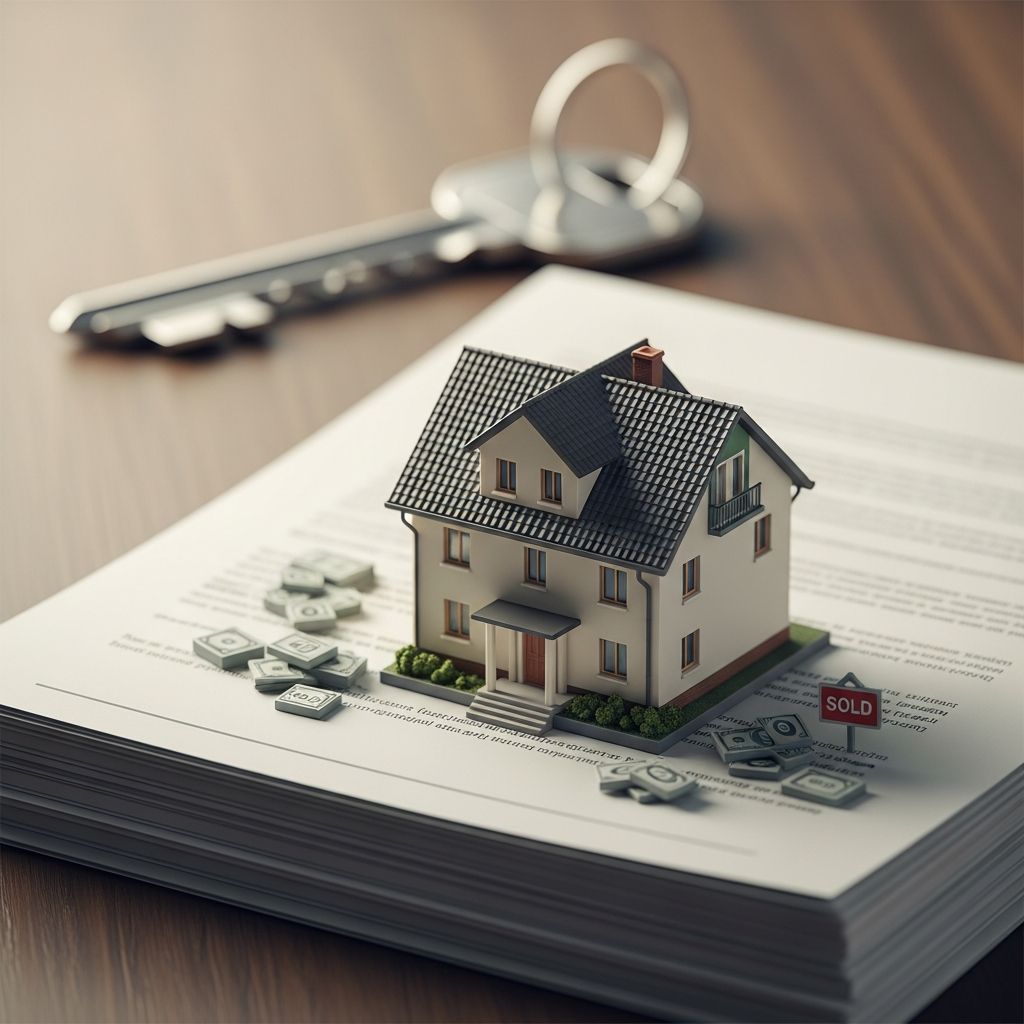
Buying a foreclosed home can offer significant discounts, potentially 25-30% below market value, making it an attractive option for real estate investors and first-time buyers seeking value. However, these properties come with unique risks, from unseen damage to legal complications. This guide covers the seven essential things you must understand to make informed decisions and avoid costly mistakes.
1. Foreclosure Inventory Is Falling
The number of foreclosed homes available has been steadily declining in recent years, creating a more competitive market for buyers. According to data from major real estate tracking services, foreclosure inventory dropped significantly post-2020 due to government moratoriums, forbearance programs, and improved lending standards. While this scarcity can drive up prices on available properties, it also means fewer opportunities for deep discounts.
Buyers should monitor platforms like RealtyTrac or Auction.com for listings, as inventory fluctuates by region. In high-demand areas, foreclosures may sell quickly at or near market value, eroding potential savings. Patience and networking with local real estate agents specializing in distressed properties become crucial in this tighter market.
2. You Can Buy Foreclosures in One of Two Main Ways
Foreclosed homes are primarily available through two channels: bank-owned (REO) properties or foreclosure auctions. REO homes are owned by the lender after the previous owner vacates, listed on the multiple listing service (MLS) like traditional homes. These allow standard inspections and financing, making them safer for novice buyers.
Auctions, held on courthouse steps or online, offer the lowest prices but require cash payment and as-is purchases. Buyers must research the property beforehand, as bidding sight-unseen is common. Hybrid options like pre-foreclosure short sales, where owners sell to avoid auction, provide negotiation room but require lender approval.
| Method | Pros | Cons | Best For |
|---|---|---|---|
| REO (Bank-Owned) | Inspections allowed; financing options; cleaner title | Higher prices; more competition | First-time buyers |
| Auction | Deep discounts (25-30%); quick process | Cash only; no inspections; eviction risks | Experienced investors |
| Short Sale/Pre-Foreclosure | Potential equity; negotiable | Lengthy approval; uncertain closing | Patient negotiators |
3. Buying at Auction Is Not Easy
Foreclosure auctions demand preparation, cash reserves, and risk tolerance. Unlike open houses, you can’t always view the interior beforehand. Research the property’s value via comparable sales (comps), tax records, and drive-bys. Set a strict bid limit based on after-repair value (ARV) minus repair costs and 20% profit margin.
- Prepare documents: Proof of funds, bidder registration.
- Bid strategy: Start low, avoid emotional bidding; auctions end quickly.
- Post-auction steps: Pay immediately (often within 24 hours), handle eviction if occupied.
Novices should attend a few auctions as observers first. Online platforms like Hubzu simplify bidding but add fees.
4. Foreclosure Auctions Are Sight-Unseen Purchases
Most auctions sell properties ‘as-is,’ with no right to inspect. You might win a home riddled with mold, structural issues, or stripped appliances. Former owners, facing eviction, sometimes damage properties out of spite—removing fixtures, clogging plumbing, or worse.
Mitigate risks by:
- Reviewing public records for liens, taxes, and violations.
- Using drive-by assessments and neighbor inquiries.
- Hiring inspectors post-purchase for immediate repairs.
Budget 10-20% of purchase price for surprises. REO properties mitigate this by allowing pre-purchase inspections.
5. Repairs Can Be Extensive and Expensive
Foreclosed homes often require major work: roofs, HVAC, plumbing, electrical, and cosmetic updates. Neglected during foreclosure, issues compound—water damage leads to mold, outdated wiring poses fire risks. Professional estimates are essential; DIY saves money but demands skills.
Common Repair Costs (National Averages):
| Repair | Cost Range |
|---|---|
| Roof Replacement | $8,000-$15,000 |
| HVAC System | $5,000-$12,000 |
| Foundation Fixes | $10,000-$30,000+ |
| Full Gut Rehab | $50,000-$150,000 |
Factor holding costs (taxes, insurance, utilities) during rehab. FHA 203(k) loans finance purchases plus repairs for eligible buyers.
6. Hidden Liens and Title Issues Lurk
Even at auction, properties may have undisclosed liens: unpaid taxes, contractor judgments, HOA dues, or second mortgages. These survive foreclosure in some states, attaching to the new owner. Title insurance is vital but may exclude certain risks.
- Pre-bid due diligence: County recorder searches, preliminary title reports.
- Post-purchase: Quiet title actions to clear clouds (costly, time-consuming).
- REO advantage: Banks typically provide clear title.
Work with a real estate attorney experienced in foreclosures to navigate state-specific nuances.
7. Evictions Can Delay Your Possession
Many foreclosed homes remain occupied by former owners or tenants with rights. Eviction processes vary by state—judicial foreclosures grant redemption periods (60-180 days); non-judicial are faster but tenants may claim protections under federal law.
Steps for eviction:
- Serve notice to vacate (3-30 days).
- File unlawful detainer lawsuit if needed.
- Sheriff enforcement (additional weeks).
Occupied properties tie up cash flow; budget for ‘cash for keys’ incentives ($1,000-$5,000) to encourage voluntary moves. Verify occupancy status pre-bid.
Frequently Asked Questions (FAQs)
What is the biggest risk in buying foreclosed homes?
The inability to inspect and potential for extensive hidden damage or liens top the list. Always budget conservatively.
Do I need cash for foreclosure auctions?
Yes, full payment is typically due within 24-48 hours. Financing is rare at auction.
Can first-time buyers purchase foreclosures?
Yes, via REO properties with FHA loans, but auctions suit experienced buyers better.
How do I find foreclosed listings?
Check MLS, bank websites (e.g., Chase REO), auction sites, and HUD Homes portal.
Are foreclosures always a bargain?
Not anymore—declining inventory means competition; calculate true costs including repairs.
References
- National Residential Real Estate Sale and Leaseback Guidelines — U.S. Department of Housing and Urban Development (HUD). 2011-02-15. https://www.hud.gov/program_offices/housing/sfh/nsc/mhafaq#52
- Mortgage Forbearance and Delinquency Rates — Federal Housing Finance Agency (FHFA). 2024-10-01. https://www.fhfa.gov/DataTools/Downloads/Pages/National-Mortgage-Database.aspx
- Foreclosure Procedures and Timelines — Consumer Financial Protection Bureau (CFPB). 2023-05-12. https://www.consumerfinance.gov/rules-policy/foreclosure-procedures/
- Real Estate Settlement Procedures Act (RESPA) — U.S. Department of Housing and Urban Development (HUD). 2024-01-01. https://www.hud.gov/program_offices/housing/rmra/res/respa_hud
- Uniform Standards for Federal Sector Mortgage Foreclosure — U.S. Department of Justice. 2022-07-20. https://www.justice.gov/jm/jm-4-7000-uniform-standards-federal-sector-mortgage-foreclosure
Similar Articles








Read full bio of Sneha Tete