7 Practical Ways To Finally Beat Procrastination
Understand why you procrastinate, then use these seven simple, research-backed strategies to follow through on your goals with less stress.
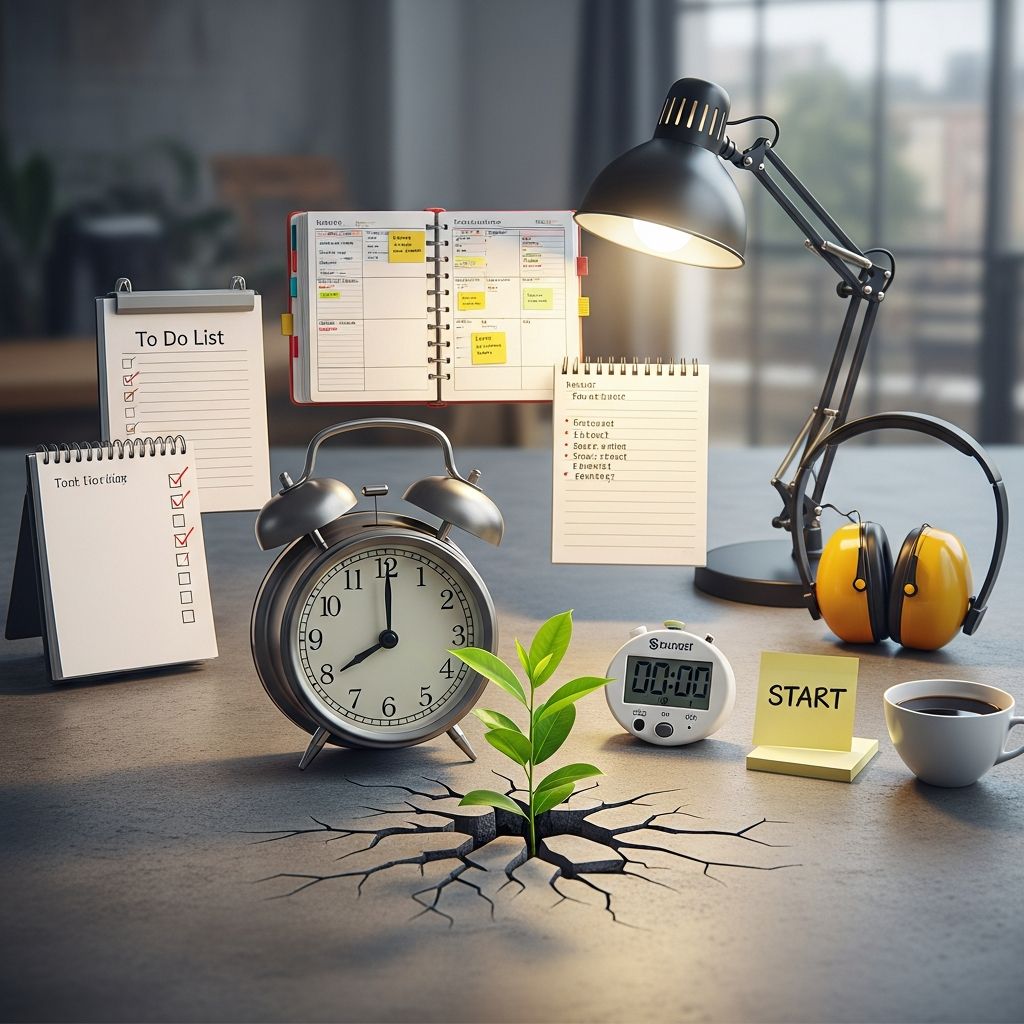
Procrastination is more than just “being lazy.” It is a complex mix of emotions, habits, and thought patterns that can quietly drain your time, energy, and confidence. Research in psychology shows that up to 20% of adults consider themselves chronic procrastinators, and almost everyone struggles with it sometimes. The good news is that procrastination is a behavior, not a fixed personality trait, which means you can change it with the right strategies.
This guide mirrors the core ideas of the original Clever Girl Finance article on overcoming procrastination, while expanding them into a detailed, practical roadmap you can start using today. You will learn why you delay tasks and seven specific ways to stop putting things off and start taking action.
What Is Procrastination And Why Do We Do It?
Psychologists define procrastination as voluntarily delaying a task you intended to do, even though you expect the delay to make things worse. It is not simply resting or rescheduling; it is an irrational delay that usually comes with guilt or stress.
Common reasons you procrastinate
- Task feels overwhelming: The project looks too big, so you avoid starting.
- Fear of failure or imperfection: You delay because you are afraid it will not be good enough.
- Low energy or burnout: You are mentally or physically exhausted.
- Unclear goals: You do not know where to begin or what “done” looks like.
- Distractions and instant rewards: Social media, streaming, and notifications are more immediately rewarding than long-term goals.
Research shows procrastination is often about emotion regulation more than time management: you delay tasks to avoid uncomfortable feelings like boredom, anxiety, or self-doubt.
| What You Feel | How You React | Result |
|---|---|---|
| “This is too hard.” | You put it off. | More stress and less time later. |
| “I might fail.” | You avoid starting. | Reinforces fear and doubt. |
| “I don’t know where to begin.” | You check your phone or do something easier. | Task still unfinished, pressure increases. |
The strategies below will help you address these feelings and build habits that make action easier than avoidance.
1. Get Clear On Why You Procrastinate
The first step is awareness. Instead of labeling yourself as “lazy,” get curious about your patterns. Once you know why you are delaying, you can choose the right solution.
Simple reflection exercise
Next time you are procrastinating, ask yourself:
- What task am I avoiding? (Be specific.)
- What am I feeling right now? (Anxiety, boredom, confusion, fear?)
- What story am I telling myself? (“This will take forever,” “I’m not good at this,” etc.)
Write your answers down. Over a few days, patterns will emerge—maybe you delay tasks that involve numbers, public speaking, or decision-making. That awareness helps you choose the right tool from the seven strategies in this guide.
Identify your high-risk situations
- Time of day when you are most likely to procrastinate.
- Environments that trigger delay (couch, bed, noisy room).
- Specific apps or websites that become your go-to escape.
Once you know your personal triggers, you can design your day to reduce them.
2. Break Big Tasks Into Tiny, Doable Actions
When a task feels huge, your brain sees it as a threat and pushes you toward easier, short-term rewards. Breaking work into very small steps removes that threat and makes starting less scary.
How to break tasks down
Instead of “finish my budget,” try:
- Open my banking app.
- Write down my last 10 transactions.
- Highlight needs vs. wants.
- Estimate how much I can save this month.
Each step should be small enough to complete in 5–15 minutes. If you still feel resistance, make the step even smaller.
Use the “next actionable step” rule
For any goal, define just one concrete action you could do in the next 10 minutes. For example:
- Goal: “Organize my finances” → Next step: “Set a 15-minute timer and review last month’s spending.”
- Goal: “Revamp my resume” → Next step: “Open my old resume file.”
- Goal: “Start investing” → Next step: “Search for one reputable beginner investing guide from a government or university site.”
Once you start, momentum often carries you into the next step.
3. Set Specific Deadlines And Time Blocks
Open-ended tasks (“I’ll do it later”) invite procrastination. Research shows that clearly defined deadlines and time frames improve follow-through and make tasks feel more urgent.
Use time blocking
Time blocking means giving each important task a specific place on your calendar instead of a vague “to-do.” For example:
- Tuesday, 7:00–7:30 PM: “Review budget and update spending categories.”
- Saturday, 10:00–10:30 AM: “Sort and pay monthly bills.”
- Thursday, 6:30–7:00 PM: “Work on side hustle action plan.”
When the time block arrives, treat it like a meeting with someone you respect.
Make deadlines realistic, not perfect
- Set a draft deadline first (for example, “rough plan by Wednesday”) before the final due date.
- Include a buffer for unexpected events.
- Use reminders: phone alerts, calendar notifications, or sticky notes where you work.
Clear time frames reduce decision fatigue and make it easier to simply follow the plan.
4. Create An Environment That Makes Focus Easy
Your surroundings can either support your goals or sabotage them. Studies on self-control show that people who seem very disciplined often rely less on willpower and more on smart environments—they reduce temptations and make the right choice the default.
Design your workspace for action
- Remove obvious distractions: Put your phone in another room, or use “Do Not Disturb” while you work.
- Prepare materials in advance: Keep your laptop charger, notebook, and documents ready so you can start without searching.
- Keep only what you need visible: Hide unrelated items that invite multitasking.
Use technology wisely
- Use website blockers during focus sessions for social media or entertainment sites.
- Turn off nonessential notifications (news, shopping apps, games).
- Create a separate browser profile for work-related tabs only.
The goal is not to be perfect, but to make procrastination a little harder and focus a little easier.
5. Use Short Focus Bursts And Built-In Breaks
Long, intense work sessions can feel intimidating, which makes you more likely to avoid starting. Techniques like the Pomodoro Technique—working in short bursts with breaks—can improve focus and make work feel manageable.
Try the 25/5 or 50/10 method
- Work for 25 minutes, then take a 5-minute break.
- Or work for 50 minutes, then rest for 10 minutes.
During the focus period, commit to staying with your task, even if your progress feels slow. During the break, step away from your workspace, stretch, or get water.
Why this helps with procrastination
- Starting feels easier because the time commitment is small.
- Regular breaks prevent mental fatigue and burnout.
- Clear boundaries between work and rest reduce mindless scrolling.
Over time, your brain associates these short sessions with productivity and progress, not dread.
6. Make Commitment And Accountability Work For You
We are often more reliable when someone else is counting on us. Research on goal achievement shows that people who share their goals and create accountability tend to follow through more consistently than those who do not.
Ways to build accountability
- Accountability partner: Check in weekly with a friend who also has goals.
- Study or work sessions: Schedule virtual or in-person sessions where you both work quietly on your own tasks.
- Public micro-commitments: Share only the next step (“I’ll review my expenses tonight”) with someone you trust.
Use small stakes and rewards
- Promise to send a quick photo or message when you complete a task.
- Set a simple consequence for skipping a commitment (for example, donate a small amount to a cause regardless of whether you followed through).
- Plan a modest reward after a series of completed sessions (like watching a favorite show or enjoying a special treat).
Accountability helps shift procrastination from a private struggle to a shared commitment.
7. Be Kind To Yourself And Focus On Progress
Many people think being hard on themselves will push them to do better, but research on self-compassion shows the opposite: harsh self-criticism is linked to more procrastination, not less. When you beat yourself up for delaying, you create more negative emotions that you then want to avoid—often by procrastinating again.
Practice self-compassionate productivity
- Talk to yourself like a friend: Replace “I’m so lazy” with “I’m struggling today, but I can take one small step.”
- Normalize setbacks: Remind yourself that everyone procrastinates sometimes.
- Focus on the next action: Instead of replaying what you didn’t do yesterday, ask, “What can I do in the next 10 minutes?”
Track progress, not perfection
- Keep a simple log of your daily small wins (for example, “Reviewed budget,” “Sent that email,” “Read 10 pages”).
- Review your log weekly to see how far you’ve come.
- Celebrate consistency over intensity—many small sessions beat one perfect day you never start.
When you treat yourself kindly, it becomes safer to face difficult tasks and easier to keep moving forward.
Putting It All Together: A Simple Anti-Procrastination Plan
You do not need to implement all seven strategies at once. Start with one or two, practice them for a week, and then add more as you feel ready.
Sample weekly plan
- Day 1–2: Notice when and why you procrastinate. Write down your triggers.
- Day 3–4: Choose one important task and break it into tiny steps. Use one 25-minute focus session per day.
- Day 5: Add time blocks to your calendar for next week’s key tasks.
- Day 6: Tidy your workspace and reduce one major distraction (like notifications on your phone).
- Day 7: Review your progress, note what helped, and adjust your plan.
Over time, these small, consistent actions help you build a new identity: someone who starts, follows through, and finishes.
Frequently Asked Questions (FAQs)
Q: Is procrastination the same as being lazy?
A: No. Procrastination is usually about avoiding uncomfortable emotions such as fear, doubt, or boredom, not a lack of ability or worth. Understanding this difference helps you focus on better strategies, not harsh self-judgment.
Q: How can I stop procrastinating when I feel overwhelmed?
A: When you feel overwhelmed, shrink the task until it feels almost too easy. Break it into steps that take 5–10 minutes, set a short timer, and commit to just the first step. Once you start, it is much easier to keep going.
Q: What if I procrastinate on my finances specifically?
A: Treat money tasks like any other project: break them into small pieces (for example, checking one account at a time), schedule specific time blocks, and use reminders. Many financial education resources recommend automating key actions like savings and bill payments so that progress continues even when motivation drops.
Q: How long does it take to change my procrastination habits?
A: There is no exact timeline, but research on habit change suggests that building a new habit can take several weeks to a few months, depending on the complexity of the behavior and your consistency. Focus on small, daily actions instead of a strict deadline; what matters most is repetition over time.
Q: Can therapy help with chronic procrastination?
A: Yes. Cognitive-behavioral therapy (CBT) and related approaches can help you address perfectionism, fear of failure, and other patterns that drive chronic procrastination. If procrastination is significantly affecting your work, finances, or relationships, a mental health professional can provide personalized strategies and support.
References
- Procrastination: What It Is, Why It’s a Problem, and What You Can Do About It — Piers Steel, The Journal of Social Psychology (book and related research). 2010-01-01. https://doi.org/10.1037/a0019203
- Procrastination, Health, and Well-Being — Fuschia M. Sirois. Academic Press (chapter in Health and Well-Being). 2014-01-01. https://doi.org/10.1016/B978-0-12-385522-0.00006-2
- Goal Setting and Task Performance: 1969–1980 — Edwin A. Locke, Gary P. Latham. Psychological Bulletin. 1981-07-01. https://doi.org/10.1037/0033-2909.90.1.125
- Self-Regulation and Depletion of Limited Resources: Does Self-Control Resemble a Muscle? — Roy F. Baumeister et al. Journal of Personality and Social Psychology. 1998-05-01. https://doi.org/10.1037/0022-3514.74.5.1252
- Personality and the Strength of the Habit — Wendy Wood, Dennis Rünger. Annual Review of Psychology. 2016-01-03. https://doi.org/10.1146/annurev-psych-122414-033417
- Self-Compassion, Achievement Goals, and Coping with Academic Failure — Juliana Breines, Serena Chen. Self and Identity. 2012-05-01. https://doi.org/10.1080/15298868.2011.596820
Similar Articles








Read full bio of medha deb