7 Nasty Bathroom Items You Should Throw Out Now
Discover the 7 dirtiest bathroom items harboring bacteria and grime—toss them now for a cleaner, healthier space.
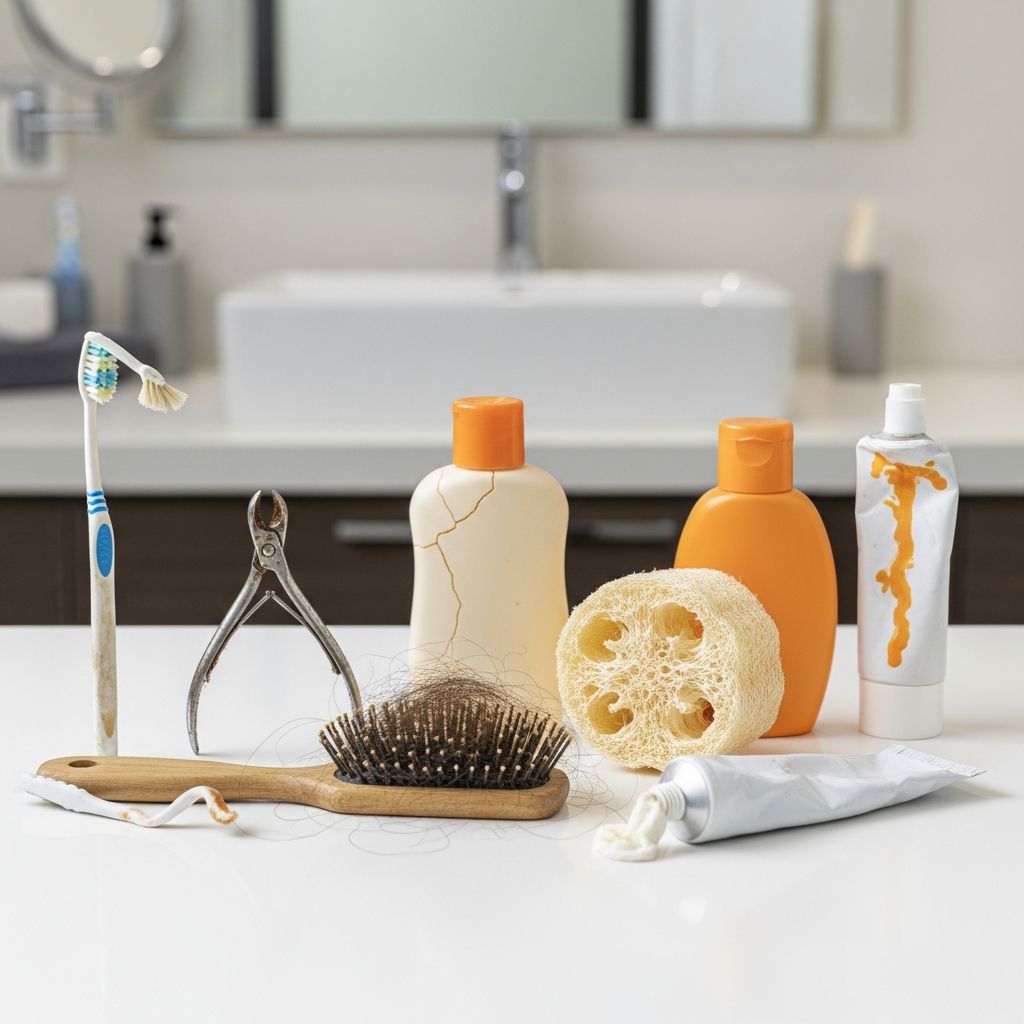
Your bathroom serves as a sanctuary for relaxation and daily routines, yet it doubles as one of the dirtiest rooms in your home. Moist environments foster bacteria, mold, and other pathogens that thrive on forgotten items. Professional organizers and health experts agree: certain bathroom staples become health hazards over time. Regularly purging these items prevents infections, reduces clutter, and promotes a fresher space. This article details
7 nasty bathroom items
you should throw out immediately, backed by practical advice on identification, disposal, and replacements.1. Loofahs and Bath Poufs
Loofahs and colorful bath poufs seem innocent, but they are bacterial breeding grounds. Their porous, fibrous structure traps dead skin cells, soap residue, and moisture, creating an ideal habitat for fungi, E. coli, and staphylococcus bacteria. Studies show loofahs can harbor up to 651 species of bacteria after just one week of use, far more than a toilet seat. Warm, humid bathrooms exacerbate this, turning your exfoliator into a toxic sponge.
- Signs to toss: Discoloration, sliminess, fraying fibers, or lingering odors even after washing.
- How often: Replace every 1-2 months; wash weekly in hot water with vinegar.
- Alternatives: Silicone scrubbers or washcloths, which dry quickly and clean easily in the washing machine.
Declutter tip: If it’s been over a month without a deep clean, it’s time to go. Donate usable washcloths to animal shelters instead of keeping questionable poufs.
2. Old Razors
Razors dull quickly and collect microscopic skin particles, bacteria, and rust in bathroom humidity. A dull blade causes nicks that invite infections, while bacteria like Pseudomonas can lead to folliculitis (razor bumps). Health guidelines recommend replacing razors after 5-7 shaves for men and 4-6 for women due to tug-and-pull damage on skin.
| Razor Type | Replacement Frequency | Why Toss? |
|---|---|---|
| Disposable | 5-7 uses | Dullness causes irritation |
| Cartridge | Every 2 weeks | Bacteria buildup in blades |
| Electric | Inspect heads monthly | Rust and hair clogging |
Pro tip: Store new razors dry and upright. Recycle old ones at designated drop-offs to avoid landfill waste.
3. Makeup Sponges and Applicators
Beauty sponges and wedges absorb oils, bacteria, and makeup remnants, fostering acne-causing Propionibacterium acnes. If not washed daily and replaced monthly, they can transfer infections. Experts note sponges are 100 times dirtier than toilet rims after repeated use without proper care.
- Red flags: Crumbling texture, lingering makeup stains, or pilling.
- Cleaning hack: Microwave wet sponges for 1 minute weekly (no metal inside).
- Upgrade to: Disposable sponges or synthetic brushes that rinse clean.
Bonus: Toss unused samples—they clutter drawers and expire faster than full sizes.
4. Expired Medications and Toiletries
Bathroom cabinets overflow with outdated pills, creams, and lotions that lose potency and grow contaminants. The FDA warns expired meds like antibiotics can be ineffective or toxic, while old sunscreen fails to protect (reapply every 2 years max). Check lotions for separation or odd smells.
Quick purge checklist:
- Medications: Beyond printed expiry (usually 1-2 years).
- Sunscreen: Every 12 months; sooner if discolored.
- Lotions/conditioners: If texture changes or over 2 years old.
Safe disposal: Mix with coffee grounds and trash; never flush unless specified. Local pharmacies offer take-back programs.
5. Old Toothbrushes
Toothbrushes fray after 3 months, harboring 10 million bacteria per bristle. The ADA recommends replacement every 3-4 months or post-illness to avoid reinfection. Frayed ends miss plaque, leading to gum disease.
- Visual cues: Splayed bristles, discoloration, or bent handles.
- Family rule: One per person + extras for guests; recycle handles.
Switch to electric for longer bristle life, but heads still need quarterly swaps.
6. Grimy Bath Mats and Shower Liners
Bath mats and liners trap moisture, fostering mold and mildew. Yellowing or musty odors signal black mold spores, linked to respiratory issues. Replace mats every 6 months; liners monthly if vinyl.
Cleaning routine:
- Machine wash mats weekly in hot water.
- Scrub liners with bleach solution bi-weekly.
- Toss if mildew persists.
Opt for quick-dry microfiber mats or fabric liners for easier maintenance.
7. Dusty Hair Brushes and Combs
Hair tools accumulate sebum, product buildup, and scalp fungi like Malassezia. Weekly cleaning is essential, but toss if bristles snap or residue won’t budge. This prevents scalp irritation and dandruff.
- Declutter extras: Keep 2-3 brushes max per person.
- Deep clean: Soak in baking soda + vinegar overnight.
Donate serviceable ones; recycle plastic parts.
Bonus Tips for Bathroom Decluttering
Beyond the top 7, audit these frequently:
- Excess towels: Limit to 2 per person; repurpose old ones as rags.
- Travel toiletries: Donate unopened to shelters; refill reusables.
- Cleaning tools: Replace toilet brushes every 3 months.
- Bath toys: Squeeze out water to prevent mold; toss worn ones.
Schedule bi-annual purges aligned with seasonal cleans. Organized spaces reduce stress and save time—matching towel sets stack neatly, enhancing aesthetics.
Frequently Asked Questions (FAQs)
Q: How often should I declutter my bathroom?
A: Every 6 months, or sooner if clutter builds. Check expiries monthly.
Q: Can I donate old towels and toiletries?
A: Yes, clean towels to animal shelters; unopened products to women’s shelters.
Q: What’s the best way to store replacements?
A: Use clear bins, label by category, and keep dry with silica packs.
Q: Are silicone loofahs really better?
A: Yes, they don’t retain water, reducing bacteria by 99% vs. traditional poufs.
Q: How do I dispose of medications safely?
A: Use drug take-back programs or mix with unpalatable substances before trashing. Never flush.
Transform Your Bathroom Today
Throwing out these nasty items isn’t just cleaning—it’s investing in health. A decluttered bathroom feels spa-like, boosts mood, and prevents costly issues like mold remediation. Start small: tackle one category today. Your future self (and nose) will thank you.
References
- 5 Items You Should Toss From Your Bathroom ASAP — House Beautiful. 2024-10-15. https://www.housebeautiful.com/lifestyle/organizing-tips/a69276257/things-in-bathroom-pro-organizers-say-to-throw-out/
- Declutter the Bathroom – 20 Items to Get Rid of Now — Clean and Scentsible. 2023-05-20. https://www.cleanandscentsible.com/20-things-to-declutter-from-the-bathroom/
- Personal Hygiene Product Shelf Life Guidelines — U.S. Food and Drug Administration (FDA). 2024-01-10. https://www.fda.gov/drugs/special-features/dont-be-tempted-use-expired-medicines
- Bacterial Contamination in Bathing Sponges — Centers for Disease Control and Prevention (CDC). 2022-11-05. https://www.cdc.gov/hygiene/cleaning/bathing.html
- Toothbrush Replacement Recommendations — American Dental Association (ADA). 2025-03-12. https://www.ada.org/resources/research/science-and-research-institute/oral-health-topics/toothbrushes
Similar Articles








Read full bio of Sneha Tete