7 Key Facts About Balance Transfer Cards
Unlock debt savings with balance transfer cards: Master the 7 essentials to slash interest and pay off debt faster.

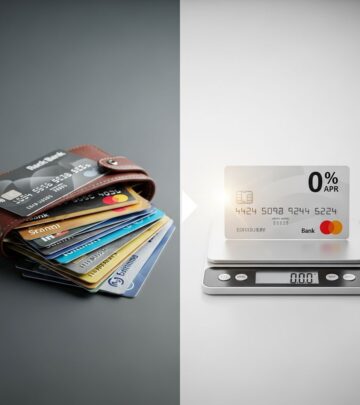
Balance transfer cards offer a powerful tool for managing credit card debt by moving balances to a new card with a lower introductory interest rate, often 0% APR for 12-21 months. This can save hundreds or thousands in interest if used wisely, but understanding key details is essential to avoid common traps.
1. They Offer Low or 0% Introductory APRs, But Only for a Limited Time
Balance transfer cards typically feature a promotional
0% introductory APR
on transferred balances, allowing you to pay down principal without interest accruing during the offer period, which ranges from 12 to 21 months depending on the card. For example, transferring a $5,000 balance from a 15% APR card to a 0% intro APR card could save $265 over a year with consistent payments, as the interest-free period lets more of your payment reduce the debt.However, this rate is temporary. Once it expires, the balance shifts to the card’s standard APR, often 18%-29%, which could be higher than your original card. To maximize savings, calculate your payoff timeline: if you can’t clear the balance before the promo ends, the strategy may backfire with deferred interest on some cards.
- Promo periods: 12-18 months common; up to 21 for premium cards.
- Savings potential: Hundreds in interest on mid-sized balances ($3,000-$10,000).
- Post-promo: Plan aggressive payments or face steep rates.
2. Balance Transfer Fees Can Add Up Quickly
Most balance transfer cards charge a
fee of 3%-5%
of the transferred amount, with minimums like $5. Transferring $5,000 at 3% costs $150 upfront, added to your new balance. While this seems high, it often pays for itself if the 0% period saves more in interest—e.g., on a 20% APR card, you’d save over $1,000 annually.Shop for low-fee offers; some cards waive fees or cap them. Always compare total cost: fee + post-promo interest vs. staying put.
| Transfer Amount | 3% Fee | 5% Fee | Est. 12-Mo Savings (from 18% APR) |
|---|---|---|---|
| $1,000 | $30 | $50 | $150 |
| $5,000 | $150 | $250 | $750 |
| $10,000 | $300 | $500 | $1,500 |
Pro tip: Fees are worth it for debts taking 6+ months to pay off; short-term transfers may not justify the cost.
3. Not All Balances Qualify for the Promotional Rate
New purchases or cash advances often carry a different APR, even on balance transfer cards. Transferred balances get the 0% promo, but purchases might accrue interest immediately at 15%-25%. This creates a trap: mixing uses leads to minimum payments split across balances, slowing promo payoff.
Some issuers exclude balances from affiliated cards or recent accounts. Check terms: promo applies only to transfers completed within 60-120 days of account opening.
- Transfers: Eligible for 0% intro.
- Purchases: Standard APR applies.
- Cash advances: High fees (5%) + immediate interest.
4. Approval Isn’t Guaranteed and Depends on Your Credit
Balance transfer cards target good-to-excellent credit (670+ FICO). Issuers review income, debt-to-income ratio, and payment history. Even qualified applicants may get reduced transfer limits—e.g., approved for $4,000 on a $15,000 debt request.
Applying triggers a hard inquiry, dinging your score 5-10 points temporarily. Pre-qualify without impact via issuer tools. Existing cardholders may transfer without new inquiries.
5. Transfers Take Time—Keep Paying Your Old Cards
Processing takes 2 days to 2+ weeks. The new issuer pays your old creditor directly, posting as a credit. Until confirmed, continue minimum payments to avoid late fees or credit damage.
Steps to execute:
- Compare rates, fees, promo length.
- Apply; request transfer in app.
- Provide old account details: number, balance, billing address.
- Verify posting; adjust payments.
Can’t transfer between same-issuer cards (e.g., no Citi-to-Citi).
6. They Can Simplify Debt Management and Save Money Long-Term
Consolidate multiple high-interest balances into one payment, easing budgeting. Focus extra funds on principal during 0% window to avalanche debt faster.
Tools like calculators estimate savings: Input balance, APR, payments to see payoff timelines. Pair with budgeting for success—aim to pay 10-20% of balance monthly.
- Pros: Interest savings, single payment, credit utilization drop (boosts score).
- Cons: Fees, temp rate, discipline required.
7. Misuse Can Lead to More Debt and Higher Costs
Temptation to rack up new purchases while paying old debt is common, leading to compounded interest post-promo. If unpaid, balances revert at high APRs, sometimes with penalty rates.
Best for motivated users with payoff plans. Avoid if you carry balances habitually or have poor credit. Alternatives: debt consolidation loans, 0% purchase cards.
Success rate high with discipline: 70% of users save if paying off in promo period.
Frequently Asked Questions (FAQs)
Q: What is a balance transfer?
A: Moving debt from a high-interest credit card to a new card with lower/0% intro APR to save on interest.
Q: How long do balance transfers take?
A: 2 days to 2 weeks; keep paying old cards until posted.
Q: Can I transfer balances from the same issuer?
A: No, generally prohibited (e.g., no Wells Fargo to Wells Fargo).
Q: What if I don’t pay off before promo ends?
A: Balance accrues at standard APR (18-29%); some charge deferred interest.
Q: Are there fee-free options?
A: Rare, but seek low 3% fees; calculate vs. savings.
Q: Does it affect my credit score?
A: Hard inquiry hurts short-term; lower utilization helps long-term.
Q: Can I transfer non-credit card debt?
A: Sometimes loans; check terms. Use transfer checks for bank deposits.
Balance transfer cards are a strategic debt tool, not a cure-all. Assess your finances, commit to a payoff plan, and shop offers diligently for real savings.
References
- What is a Balance Transfer & How Does it Work? — Bank of America Better Money Habits. 2024. https://bettermoneyhabits.bankofamerica.com/en/debt/how-do-balance-transfers-work
- When does a Credit Card Balance Transfer Make Sense? — Fifth Third Bank. 2024. https://www.53.com/content/fifth-third/en/financial-insights/personal/credit-cards/when-does-a-credit-card-balance-transfer-make-sense.html
- What Is a Balance Transfer? Should I Do One? — NerdWallet. 2024. https://www.nerdwallet.com/credit-cards/learn/what-is-a-balance-transfer
- How to do a balance transfer—calculate what you’ll save! — Navy Federal Credit Union. 2024. https://www.navyfederal.org/loans-cards/credit-cards/cardholder-resources/balance-transfers.html
- What is a Balance Transfer on a Credit Card? — Equifax. 2024. https://www.equifax.com/personal/education/credit-cards/articles/-/learn/balance-transfer-credit-card/
- What is a Balance Transfer & How Does It Work? — Citi. 2024. https://www.citi.com/credit-cards/balance-transfer/balance-transfer-credit-cards-101
- Pros And Cons Of A Balance Transfer — Bankrate. 2024. https://www.bankrate.com/credit-cards/balance-transfer/balance-transfer-pros-and-cons/
Similar Articles








Read full bio of medha deb