7 Essential Tips To Navigate Financial Hardship
Learn how to recognize money trouble early, protect your essentials, and rebuild confidently after serious financial hardship.

Financial hardship can happen suddenly because of job loss, illness, divorce, or rising costs, but you can take practical steps to protect yourself and rebuild. This guide explains how to recognize warning signs early, prioritize your basic needs, work with lenders, and create a path back to financial stability.
What is financial hardship?
Financial hardship generally means you are unable to meet your financial obligations as they come due, often because of circumstances beyond your control (such as unemployment, illness, or a major income drop). Many lenders and government agencies use this term when deciding whether to offer special assistance programs or modified payment plans.
Hardship can be short-term (a few months) or long-term (a year or more). Regardless of the cause, the earlier you respond with a clear plan, the easier it is to limit damage to your credit and overall financial health.
Warning signs of financial hardship
Identifying money problems early gives you more options. Some common warning signs that you may be entering financial hardship include:
- Relying on credit cards or loans to cover everyday essentials like groceries, gas, or utilities.
- Carrying high or maxed-out credit card balances month after month.
- Using high-cost debt such as payday loans, car title loans, or cash advances to get by.
- Having little or no emergency savings or sinking funds for expected expenses.
- Paying frequent late fees, overdraft fees, or reconnect fees on utilities.
- Seeing your credit score fall because of late payments or a high debt-to-income ratio.
- Being unable to make even minimum payments on loans or credit cards.
- Regularly choosing between essential bills, such as rent, utilities, and food.
If several of these apply to you, it is a sign to pause, assess your finances, and create a deliberate plan.
How to get through financial hardship
Working through financial hardship requires both immediate damage control and longer-term rebuilding. The following strategies mirror what many reputable consumer finance agencies recommend for people in serious financial distress.
1. Adjust your budget to match your reality
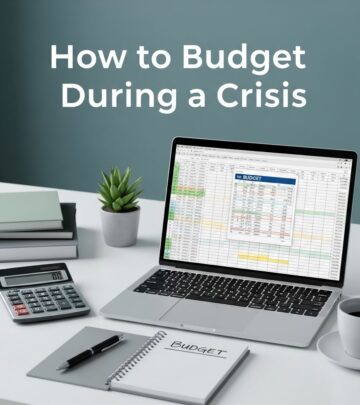
When your income changes or expenses spike, your old budget no longer fits. The first step is to create or update a realistic budget that reflects where you are right now, not where you used to be.
Start by listing your monthly income and all of your expenses. Then prioritize your core essentials:
- Food and basic household supplies
- Medicines and essential health costs
- Safe housing (rent or mortgage)
- Core utilities (electricity, water, heat)
- Transportation needed to work or seek work
These categories represent “survival mode.” Nonessential spending (subscriptions, dining out, non-urgent shopping, extras for entertainment or travel) should be cut or sharply reduced until your situation improves.
| Category | Essential During Hardship? | Action |
|---|---|---|
| Rent / Mortgage | Yes | Prioritize; contact landlord or lender if you may fall behind. |
| Groceries | Yes | Plan low-cost meals; use lists; avoid food waste. |
| Debt payments (unsecured) | Important | Pay minimums if possible; seek hardship options. |
| Streaming services | No | Cancel or pause until you are stable. |
| Dining out | No | Minimize; cook at home to save money. |
If your income has become irregular (for example, from freelance work or part-time jobs), build your budget around your lowest realistic income month. Treat any extra income as a bonus to catch up on bills, build savings, or pay down priority debt.
2. Communicate with your service providers and creditors
If you know you will struggle to pay a bill, reach out to your service providers and creditors as early as possible. Creditors and utility companies often have hardship procedures, and many will work with you if you contact them before you miss payments.
Types of companies to contact include:
- Landlords or mortgage servicers
- Utility providers (electricity, gas, water, internet)
- Credit card issuers and personal loan lenders
- Student loan servicers
- Auto loan or lease companies
When you contact them, explain your situation clearly, share any documentation they request, and ask what options exist to help you avoid default or service shut-offs.
3. Explore financial hardship programs and protection options
Many lenders, servicers, and even government programs offer hardship programs for people facing serious financial difficulty. These can include:
- Temporary payment reductions
- Payment deferrals or forbearance
- Interest rate reductions
- Waived late fees or other charges
- Modified loan terms to make payments more affordable
For example, U.S. federal student loans have hardship-based options such as income-driven repayment plans and temporary deferment or forbearance. Mortgage servicers may also offer forbearance or loan modification in some circumstances.
Before you accept any hardship program, make sure you understand:
- How long the program lasts and what happens when it ends.
- Whether missed or reduced payments will be due as a lump sum later.
- How interest will be handled during the hardship period.
- Any fees or penalties that may apply.
Some lenders may ask for a hardship letter, which is a written explanation of the situation and how it affects your ability to pay. Outline the cause of hardship (for example, job loss), what you are doing to improve your situation, and what kind of help you are requesting.
4. Look for community, nonprofit, and government support
Beyond lender programs, you may qualify for assistance from community organizations, nonprofits, or government agencies. These resources can help with food, housing, utilities, and other essentials while you get back on your feet.
Common support options include:
- Food assistance: Food banks, community kitchens, and Supplemental Nutrition Assistance Program (SNAP) or similar benefits, where available.
- Housing and utility support: Local rental assistance, housing counseling, and programs that help pay heating or energy bills.
- Healthcare assistance: Public health insurance options or sliding-scale clinics, depending on your country and region.
- Unemployment or income support: Temporary income replacement or cash benefits after job loss, if you qualify.
- Free or low-cost financial counseling: Nonprofit credit counseling organizations that can help you build a budget, review debt options, and create a repayment plan.
Reaching out for help can feel uncomfortable, but these programs exist specifically to help people navigate financial shocks and avoid long-term damage like eviction or unmanageable debt.
5. Find a side gig or extra income stream
Reducing expenses is important, but it has limits. Adding even a modest amount of extra income can dramatically speed up your recovery. Research on household finances shows that income shocks are a major driver of financial distress, so improving earnings is a powerful tool for regaining stability.
Consider short-term or flexible ways to earn more, such as:
- Part-time or weekend work in retail, hospitality, or delivery.
- Freelancing using skills you already have (editing, design, tutoring, virtual assistance).
- Gig work like rideshare driving, pet sitting, or task-based platforms.
- Selling unused items online or at local markets.
To avoid burnout, set clear boundaries around your hours and remember that this extra work does not have to be permanent. Use the additional income strategically: catch up on essential bills, build a starter emergency fund, or pay down your most expensive debt first.
6. Stay away from payday loans and other high-cost debt
When money is tight, payday loans and similar products may look like a quick solution. However, these loans often carry extremely high interest rates and fees, trapping many borrowers in a cycle of repeat borrowing. In some regions, typical annual percentage rates (APRs) on payday loans can exceed 300%.
Instead of turning to payday loans, consider safer alternatives:
- Ask your employer if they offer a paycheck advance or interest-free salary loan.
- Explore credit union small-dollar loans, which may have more reasonable terms.
- Negotiate payment plans directly with your utility providers or medical providers.
- Seek help from nonprofit organizations or family and friends, with clear repayment agreements.
If you are already in payday loan debt, a reputable nonprofit credit counseling agency may be able to help you review options to consolidate or restructure your obligations.
7. Don’t give up: focus on mindset and long-term recovery
Financial hardship can trigger stress, shame, and anxiety, but the situation is not permanent. Research on financial resilience shows that people who stay engaged with their finances, even in crisis, are better able to recover over time.
To support your mindset during this season:
- Replace self-criticism with problem-solving. Focus on what you can do this week or this month.
- Acknowledge your emotions but do not let them stop you from opening bills or checking your accounts.
- Celebrate small wins, such as paying one bill on time or adding a little to savings.
- Seek emotional and practical support from trusted friends, family, or support groups.
- Use setbacks as data. If a strategy didn’t work, adjust and try a different approach.
Remember that financial hardship is a chapter in your money story, not the whole book. You can learn from this experience, rebuild your safety nets, and create a more resilient financial plan for the future.
Rebuilding after financial hardship
Once your situation stabilizes—perhaps after finding steady work, catching up on key bills, or exiting a hardship program—you can gradually shift from crisis management to rebuilding.
Rebuild your emergency fund
Emergency savings are one of the most effective protections against future hardship. Many financial experts recommend aiming for at least three to six months of essential expenses, but you can start with a smaller target, like $500 or one month of core bills, and build from there.
- Make automatic transfers to savings, even if the amount is small.
- Treat emergency contributions like a bill you owe your future self.
- Keep the money somewhere accessible but separate from checking to reduce the temptation to spend.
Prioritize and pay down high-interest debt
After you are current on essential bills and have a basic emergency buffer, begin tackling high-interest debt (especially credit cards and any remaining high-cost loans). Focus on the debt with the highest interest rate first while paying minimums on others, or use a structured plan such as the avalanche or snowball method.
Monitor and rebuild your credit
If your credit took a hit during hardship, do not be discouraged. You can rebuild over time by:
- Making at least the minimum payments on time every month.
- Keeping credit card balances as low as possible relative to your limits.
- Checking your credit reports for errors and disputing any inaccuracies with the credit bureaus.
Steady, on-time payments and responsible credit use are the most important ingredients for improving your credit profile over the long term.
Frequently Asked Questions (FAQs)
Q: What should I pay first during financial hardship?
A: Focus on core essentials: housing, utilities, food, transportation, and necessary medicines. After those are covered, pay minimums on debts if possible and contact your creditors to discuss hardship options.
Q: Will asking for a hardship program hurt my credit?
A: Some hardship arrangements may be reported to credit bureaus, and missed or reduced payments can affect your credit. However, proactively working with your lender often causes less long-term damage than simply stopping payments without communication.
Q: How can I deal with the stress of money problems?
A: Build a basic plan, track a few key numbers (like your cash flow and due dates), and seek support from trusted people or a counselor. Breaking your situation into small, manageable actions can significantly reduce stress and help you feel more in control.
Q: Is bankruptcy the only option if I cannot pay my debts?
A: Bankruptcy is a serious legal step and usually a last resort. Before considering it, talk to a nonprofit credit counselor or a qualified legal professional to explore other options, such as debt management plans, negotiations, or hardship programs.
Q: How long does it take to recover from financial hardship?
A: Recovery time varies widely based on income, debt levels, and support resources. Some people stabilize in a few months, while others may need several years to fully rebuild savings and credit. Consistent small steps—budgeting, paying bills on time, and saving even modest amounts—compound over time and move you toward stability.
References
- Dealing with debt — Consumer Financial Protection Bureau (CFPB). 2023-06-01. https://www.consumerfinance.gov/coronavirus/dealing-with-debt
- Managing a financial shock — Consumer Financial Protection Bureau (CFPB). 2022-11-15. https://www.consumerfinance.gov/about-us/blog/managing-financial-shock
- What you need to know about payday loans — Consumer Financial Protection Bureau (CFPB). 2023-02-10. https://www.consumerfinance.gov/consumer-tools/payday-loans
- Choosing a credit counselor — Federal Trade Commission (FTC). 2022-08-01. https://consumer.ftc.gov/articles/choosing-credit-counselor
- Emergency rental assistance — U.S. Department of the Treasury. 2022-01-07. https://home.treasury.gov/policy-issues/coronavirus/assistance-for-state-local-and-tribal-governments/emergency-rental-assistance-program
- Economic well-being of U.S. households in 2023 — Board of Governors of the Federal Reserve System. 2024-05-22. https://www.federalreserve.gov/publications/report-economic-well-being-us-households.htm
Similar Articles








Read full bio of medha deb