Understanding a 620 Credit Score: Opportunities and Pathways
Navigate borrowing options and improve your financial standing with a 620 score.

A credit score of 620 places you in a position where financial opportunities exist, though they may come with certain limitations. Unlike poor credit scores, which severely restrict borrowing options, a 620 score represents fair credit that can still qualify you for various types of loans and financial products. Understanding what this score means and how to leverage your borrowing potential is essential for making informed financial decisions.
Where Your 620 Score Ranks in the Credit Landscape
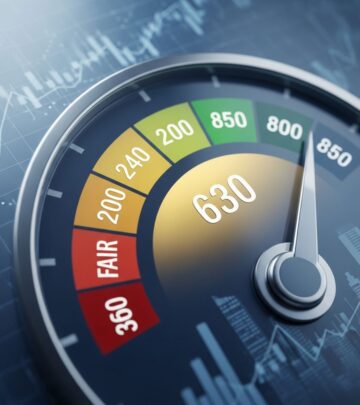
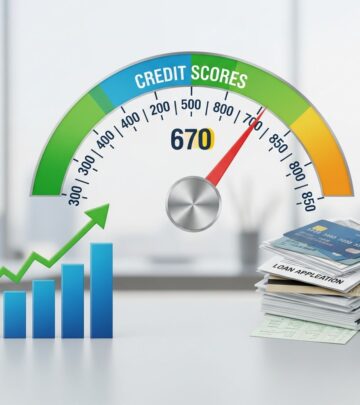
Credit scores range from 300 to 850, with different ranges representing different levels of creditworthiness. Your 620 score falls within the fair credit range of 580 to 669. This classification means you are considered a subprime consumer by many lenders, but this designation does not prevent you from accessing credit altogether. According to recent data, approximately 17% of all consumers have credit scores within the fair range, indicating that you are part of a substantial population with similar credit profiles.
The national average FICO credit score sits at 714, making your 620 score below the national average. However, this gap is not insurmountable, and many pathways exist to improve your standing. What matters most is understanding your current position and taking deliberate steps to strengthen your creditworthiness over time.
How Lenders Perceive Your 620 Score
When you apply for credit with a 620 score, lenders view you as a higher-risk borrower. This perception stems from statistical patterns showing that approximately 28% of consumers with fair-range credit scores become seriously delinquent in the future. Due to this risk assessment, lenders will typically require you to demonstrate stronger qualifications in other areas to offset the risk your credit score presents.
To improve your approval odds, lenders will scrutinize your income stability, employment history, and existing debt obligations more carefully. Additionally, you can expect to encounter higher interest rates compared to borrowers with excellent credit scores. Some lenders specialize in subprime lending and actively seek consumers with fair credit scores, though they typically charge elevated fees and interest rates to compensate for the perceived risk.
Credit Card Approval Possibilities with a 620 Score
While traditional credit card issuers do not publish specific minimum credit score requirements, approval is possible with a 620 score. However, your options will be more limited than those available to borrowers with good or excellent credit.
You are unlikely to qualify for premium credit cards that offer extensive rewards, sign-up bonuses, or favorable interest rates. Instead, focus on:
- Basic credit cards designed for fair credit borrowers
- Store credit cards from major retailers
- Secured credit cards that require a cash deposit
- Credit-builder credit cards specifically designed to help improve credit scores
Secured credit cards deserve special attention because they serve dual purposes. By depositing funds as collateral, you reduce lender risk and improve approval odds. As you make on-time payments, the credit card issuer reports this positive activity to credit bureaus, directly contributing to credit score improvements. When selecting a card, verify that your lender reports to all three national credit bureaus—Equifax, Experian, and TransUnion—to ensure maximum benefit to your credit profile.
Automobile Financing and Interest Rate Realities
Purchasing a vehicle with a 620 credit score is definitely possible, but the financial implications are substantial. The difference in interest rates between fair and prime borrowers is dramatic and directly impacts your monthly payment and total loan cost.
Consider these lending statistics:
| Credit Score Range | Average APR (60-month loan) | Monthly Payment on $48,000 vehicle |
|---|---|---|
| Prime (720+) | 5.34% | $906 |
| 620-659 (Fair) | 11.76% | $1,052 |
| 590-619 (Poor) | 15.92% | Higher |
With a 620 score, you would pay approximately $146 more per month than a borrower with a 720 score on the same vehicle. Over the 60-month loan term, this equates to nearly $9,000 in additional interest payments. This substantial difference underscores the financial benefit of improving your credit score before making major purchases.
Home Mortgage Options and Down Payment Requirements
Homeownership with a 620 credit score is attainable through multiple mortgage programs designed for borrowers with fair credit. Several options exist, each with different requirements and implications.
Federal Housing Administration (FHA) Loans
FHA loans represent the most accessible mortgage option for 620-credit-score borrowers. With a credit score of 580 or higher, you can qualify for an FHA loan with a down payment as low as 3.5%. This low down payment requirement makes homeownership achievable without accumulating massive upfront costs.
However, FHA loans include mandatory mortgage insurance premiums, which increase your overall monthly payment compared to conventional mortgages. These insurance costs protect the lender but add to your financial burden. Despite this tradeoff, FHA loans remain an excellent pathway to homeownership for fair-credit borrowers.
Conventional Mortgages
Many conventional mortgage lenders require a minimum credit score of 620, making you potentially eligible for standard mortgages. Conventional loans typically require larger down payments and stricter qualification criteria, but they avoid the mandatory insurance premiums associated with FHA loans.
VA and Other Specialized Programs
If you are a military veteran, VA loans generally require a 620 credit score or higher, offering competitive terms and favorable conditions. Additionally, some state and local programs provide mortgage assistance for borrowers with fair credit in specific geographic areas.
The Long-Term Cost of Your 620 Score on Home Financing
The difference between a 620 mortgage and a 700 mortgage on a 30-year, fixed-rate $350,000 loan reveals the substantial financial impact of credit scores on home purchases. The monthly payment difference alone amounts to approximately $138.58. Over the 30-year life of the loan, maintaining a lower credit score costs you roughly $49,889 in additional interest payments.
This calculation demonstrates why improving your credit score before applying for a mortgage, if possible, represents a sound financial strategy. Even modest score improvements can translate into tens of thousands of dollars in savings.
Beyond Lending: How Your 620 Score Affects Other Areas
Credit scores influence decisions far beyond lending. Landlords frequently review credit scores when evaluating rental applications, and a 620 score may result in rental denial or requirements for higher security deposits. Some employers review credit reports during hiring processes, particularly for positions involving financial responsibilities, meaning your score could indirectly impact employment opportunities.
Insurance companies in many states use credit-based insurance scores to determine auto and homeowners insurance premiums. A higher credit score can qualify you for substantial insurance savings. For example, safe drivers in Washington state can save up to $800 annually on auto insurance premiums by improving their credit.
Utility companies may also require security deposits from customers with poor credit histories, adding upfront costs to essential services like electricity, gas, and water. Conversely, consumers with good credit scores often avoid these deposits entirely.
Strategic Actions to Elevate Your Credit Score
Improving your 620 score is absolutely achievable with consistent effort and strategic financial management. Several proven approaches accelerate credit score improvement:
Payment History Mastery
Payment history comprises 35% of your FICO credit score calculation, making it the single most influential factor. Establish automatic payments for all accounts to eliminate missed payments, which severely damage credit scores. Even one 30-day late payment can reduce your score by 100 points or more. Conversely, consecutive on-time payments gradually rebuild lender confidence in your reliability.
Credit Utilization Optimization
Credit utilization—the percentage of available credit you are actively using—accounts for 30% of your credit score. If you have credit cards with $5,000 limits and carry $4,500 in balances, your utilization rate is 90%, which negatively impacts your score. Aim to keep utilization below 30% by paying down balances or requesting credit limit increases. This adjustment provides immediate score improvement.
Credit Mix Diversification
The FICO scoring system favors consumers with multiple types of credit accounts. Your credit mix comprises 10% of your score and includes both installment loans (mortgages, auto loans, student loans with fixed monthly payments and payoff periods) and revolving credit (credit cards with variable spending and payment options). If your credit history consists primarily of credit cards, consider adding an installment loan to demonstrate your ability to manage diverse credit types.
Credit-Builder Loan Strategy
Credit unions frequently offer credit-builder loans specifically designed for score improvement. These loans work uniquely: the lender deposits the loan amount into a savings account that you cannot access immediately. As you make monthly payments, the credit union reports your positive payment history to national credit bureaus. Upon completing all payments, you gain access to the accumulated funds plus earned interest. This approach simultaneously improves your credit score and builds emergency savings.
Dispute Inaccuracies Aggressively
Obtain free copies of your credit reports from all three bureaus and carefully review them for errors. Disputes are free and can result in score improvements if inaccuracies are corrected. Late payments that were actually paid on time, accounts you did not open, or duplicate entries should be challenged immediately.
Realistic Timeline for Score Improvement
Credit score improvement is a gradual process, not an overnight transformation. Expect meaningful progress within 3 to 6 months of implementing positive financial behaviors. Significant improvements to good credit range (670+) typically require 12 to 24 months of consistent effort. Major derogatory items like bankruptcies, foreclosures, or charge-offs have lengthy impacts, but their influence diminishes over time, especially as positive recent payment history accumulates.
Frequently Asked Questions
Is a 620 credit score considered bad credit?
No. A 620 score is classified as fair credit, which is distinct from bad or poor credit (typically 300-579). While fair credit presents challenges, it does not completely prevent credit access like poor credit does.
Can I improve my 620 score without a credit card?
Yes. Credit-builder loans, secured loans, becoming an authorized user on another person’s account, and responsible management of existing accounts all contribute to score improvement without requiring new credit card applications.
How quickly can my score improve?
Score improvements depend on your specific credit profile and the strategies implemented. Positive changes typically appear within 30-45 days of the credit bureau reporting cycle, but substantial improvements require several months of consistent behavior.
Should I negotiate with lenders given my 620 score?
Absolutely. Many lenders are willing to negotiate, particularly if you have other strengths like stable employment or substantial savings. The worst response is rejection, but willingness to work with you often results in better terms.
Moving Forward From Fair Credit
A 620 credit score represents a starting point, not a destination. While it limits certain opportunities and increases borrowing costs, it does not eliminate your access to credit or financial products. By understanding how lenders perceive your score, acknowledging the financial consequences of fair credit, and implementing strategic improvement tactics, you can systematically transition from fair credit to good credit and eventually excellent credit. The investment of time and disciplined financial management yields substantial returns through lower interest rates, better loan terms, improved insurance costs, and expanded financial opportunities.
References
- 620 Credit Score: What You Need to Know — Upstart Learning Center. 2024. https://www.upstart.com/credit-score/620-credit-score
- How Raising Your FICO Score May Save You Thousands — Experian & FICO. 2024. https://www.myfico.com/credit-education/blog/raise-score-save-thousands
- 620 Credit Score: Is it Good or Bad? — Experian. 2024. https://www.experian.com/blogs/ask-experian/credit-education/score-basics/620-credit-score/
- What Is a Good Credit Score? — Experian. 2024. https://www.experian.com/blogs/ask-experian/credit-education/score-basics/what-is-a-good-credit-score/
- Benefits of Having a Good Credit Score — InCharge Debt Solutions. 2024. https://www.incharge.org/debt-relief/credit-counseling/credit-score-and-credit-report/why-you-need-good-credit/
Similar Articles








Read full bio of Sneha Tete