600 Credit Score: Proven Steps To Raise Your Score
Discover what a 600 credit score means for your financial future and proven steps to elevate it toward excellent territory.

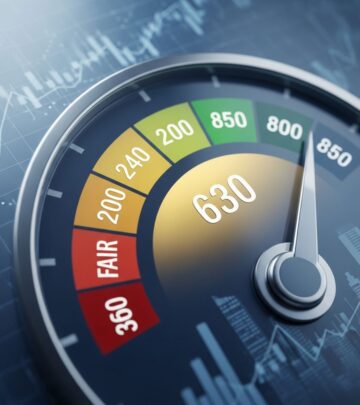
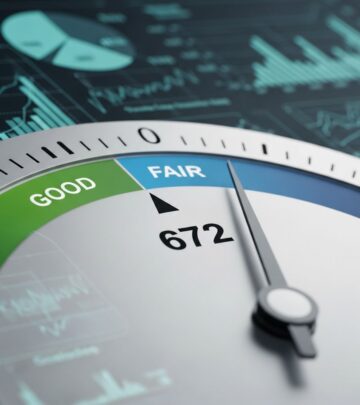
A credit score of 600 positions you in the fair category, signaling to lenders a moderate level of risk. This score opens doors to certain financial products but often at elevated costs compared to higher ranges. Understanding its implications empowers you to make informed decisions and chart a course for enhancement.
Defining Fair Credit in Today’s Landscape
Credit scoring models like FICO and VantageScore categorize scores from 300 to 850. A 600 falls squarely in the 580-669 fair range, above poor but below good (670+). Lenders view fair scores as indicators of past challenges, such as delayed payments or high debt utilization, yet not insurmountable barriers to credit access.
Average U.S. scores hover around 715, making 600 below par and prompting lenders to impose stricter terms. This classification stems from statistical data showing higher default probabilities in this bracket, influencing everything from approval odds to borrowing expenses.
Financial Products Accessible with Fair Credit
While prime offers elude fair credit holders, viable options exist. Personal loans, auto financing, and specific credit cards remain attainable, albeit with compromises.
- Personal Loans: Subprime lenders approve fair scores, but expect APRs 10-15% above prime rates. Strong income offsets score limitations.
- Auto Loans: Approval is feasible; however, for scores 590-619, average 60-month new car APR reached 15.92% in recent data, versus 5.34% for 720+.
- Credit Cards: Secured cards or retail options suit this range, building history without unsecured high limits.
- Mortgages: FHA loans accommodate scores around 600 with 3.5% down, though conventional paths demand higher figures.
| Credit Product | Typical APR for 600 Score | Prime Score Comparison (720+) |
|---|---|---|
| New Auto Loan (60 mo.) | 15.92% | 5.34% |
| Personal Loan | 20-30% | 10-15% |
| Credit Card | 25%+ | 15-20% |
This table illustrates rate disparities, underscoring the premium paid for fair credit.
Challenges Posed by a Fair Credit Profile
Fair scores trigger hurdles beyond rates. Applications may face denials from prime lenders favoring 670+. Rental applications, utilities, and employment checks increasingly reference scores, amplifying impacts.
Common report blemishes include 30+ day delinquencies or collections, dragging scores down. Major events like foreclosures linger up to 10 years, though mitigation accelerates recovery.
Core Factors Shaping Your Credit Score
FICO weights payment history (35%), amounts owed (30%), length of history (15%), new credit (10%), and mix (10%). A 600 often reflects lapses in these areas.
- Payment history: Chronic lateness signals unreliability.
- Utilization: Exceeding 30% of limits burdens scores.
- New inquiries: Multiple recent applications suggest desperation.
Addressing these unlocks rapid gains.
Proven Strategies to Elevate Your Score
Improvement demands consistency over months. Target 670+ for good credit perks like reduced fees and broader approvals.
Automate Payments and Dispute Errors
Set autopay to erase late marks. Review reports from Equifax, Experian, TransUnion via AnnualCreditReport.com; correct inaccuracies promptly, as errors can deflate scores by 100+ points.
Reduce Debt Utilization
Aim below 30% ratio. Pay balances aggressively or request limit increases sans hard inquiries.
Build Positive History
Secured Cards: Deposit equals limit; responsible use reports positively if bureau-reporting.
Credit-Builder Loans: Funds held in savings during term; on-time payments boost profiles. Confirm triple-bureau reporting.
Diversify and Age Accounts
Avoid new applications; let history mature. Mix installment and revolving debt judiciously.
| Strategy | Potential Score Impact | Timeline |
|---|---|---|
| Fix Payment History | High (35% weight) | 1-2 months |
| Lower Utilization | Medium-High (30%) | Immediate |
| Add Secured Card | Medium | 3-6 months |
| Dispute Errors | Variable | 30 days |
Advanced Tactics for Stubborn Scores
For persistent issues, consider debt management plans (DMPs) via non-profits, consolidating payments without score devastation. Bankruptcy, a last resort, impacts less than alternatives but delays recovery.
Become authorized user on trusted accounts, inheriting positive history if reported.
Realistic Timelines for Progress
Minor fixes yield 20-50 point jumps in 1-3 months; full good-range ascent spans 6-12 months with diligence. Track via free services like Credit Karma, though verify with FICO.
FAQs: Navigating a 600 Credit Score
Q: Is 600 bad credit?
A: No, it’s fair—above poor (300-579) but below good (670+), per FICO/VantageScore.
Q: Can I buy a house with 600?
A: Yes, via FHA (580+ with 3.5% down), but rates exceed prime.
Q: How to get a credit card at 600?
A: Opt for secured or store cards; pay on time to build.
Q: What’s the average car loan rate?
A: Around 15.92% for 590-619 scores on new autos.
Q: How long to reach 700?
A: 6-12 months with consistent positive actions.
Long-Term Benefits of Score Improvement
Crossing to good credit slashes mortgage costs—e.g., $350k 30-year loan at 620 vs. 700 saves $49,889 in interest. Enhanced scores ease rentals, jobs, and insurance premiums, compounding savings.
Proactive management transforms fair credit into a launchpad for financial freedom.
References
- 600 Credit Score: What You Need to Know — Upstart. 2022-11. https://www.upstart.com/credit-score/600-credit-score
- 600 credit score – what does it mean? — Yendo. 2023-07-19. https://www.yendo.com/blog/600-credit-score
- 600 Credit Score: Is it Good or Bad? — Experian. N/A. https://www.experian.com/blogs/ask-experian/credit-education/score-basics/600-credit-score/
- Is 600 a good credit score? — Achieve. N/A. https://www.achieve.com/learn/money-tips-education/is-600-a-good-credit-score
- What Is a Good Credit Score? — Experian. N/A. https://www.experian.com/blogs/ask-experian/credit-education/score-basics/what-is-a-good-credit-score/
- What does a 600 credit score mean? — Credit Karma. N/A. https://www.creditkarma.com/credit-scores/600
Similar Articles








Read full bio of Sneha Tete