How the 60-20-20 Rule Simplifies Your Budget
Learn how the 60-20-20 rule helps you balance expenses, boost savings, and still enjoy guilt-free spending each month.

The 60-20-20 rule is a simple percentage-based budgeting method that divides your monthly take-home income into three main categories: 60% for essential living expenses, 20% for savings, and 20% for non-essential wants. It offers a straightforward way to track where your money goes while still leaving room for fun spending and long-term goals.
What Is the 60-20-20 Rule?
At its core, the 60-20-20 rule is a budgeting framework that helps you quickly decide how much of your income should go to needs, savings, and wants each month.
Here is the breakdown:
- 60% of income — everyday living expenses (needs)
- 20% of income — savings and future-focused goals
- 20% of income — non-necessities or wants
It is considered a percentage-based budget, which means you start with your total income and then allocate fixed percentages to broad categories instead of tracking every single line item in detail.
Why people like percentage-based budgets
Percentage-based systems, including the 60-20-20 rule, are popular because they are easier to maintain than highly detailed budgets. Research shows that simple, rule-based approaches help people stick to financial plans more consistently than complex systems, especially over longer periods.
How the 60-20-20 Technique Works
The 60-20-20 rule works by assigning each dollar you earn to one of three categories. Once you know how much each bucket gets, you simply keep your spending within those limits.
1. 60% for living expenses (needs)
The largest portion, 60% of your income, is reserved for essentials you must pay to maintain your basic standard of living.
Typical items in this category include:
- Rent or mortgage payments
- Utilities (electricity, water, heat, internet, phone)
- Groceries and basic household supplies
- Transportation (gas, public transit, car insurance, maintenance)
- Insurance premiums (health, home, auto, renter’s)
- Minimum debt payments (credit cards, student loans, personal loans)
Many banks and financial educators also place required minimum loan payments in this category because they are obligations you must meet each month.
2. 20% for savings
The next 20% of your income goes to savings and long-term financial security. This category can cover a range of goals:
- Emergency fund contributions
- Retirement accounts (401(k), 403(b), IRA, workplace pensions)
- Education savings (such as 529 plans)
- Investments in brokerage or savings vehicles
- Short-term goals (e.g., saving for a car, home down payment, or major purchase)
Many financial experts recommend building an emergency fund that covers at least three to six months of essential expenses, which fits well within this 20% savings bucket. Guidance from central banks and consumer agencies consistently emphasizes the importance of regular saving as a key part of financial resilience.
3. 20% for non-necessities (wants)
The remaining 20% of your income is devoted to wants or discretionary spending. These are things that are not essential but improve your quality of life.
Examples include:
- Dining out and takeout
- Travel and vacations
- Hobbies and entertainment (movies, concerts, streaming services)
- Clothing beyond basics and fashion items
- Gifts and celebrations
- Upgrades or nice-to-have purchases (electronics, home decor, beauty services)
Within this category, you have complete flexibility. One month you might spend most of this money on a trip; another month you might use it on several small treats.
Step-by-Step: How to Start Using the 60-20-20 Rule
You can set up a 60-20-20 budget with just a few straightforward steps. You do not need a special calculator or app, though those can help you track progress over time.
- Calculate your total monthly take-home income.
Include your net pay after taxes and deductions from all sources: wages, salary, side income, and any regular transfers you can count on monthly.
- Divide your income into 60%, 20%, and 20%.
Multiply your monthly income by 0.60, 0.20, and 0.20 to get the dollar amounts for each category.
- List all your current monthly expenses.
Write down everything you spend in an average month, including bills, minimum debt payments, recurring subscriptions, and typical discretionary spending.
- Sort each expense into one of the three categories.
Group your spending into necessities (needs), savings, and non-necessities (wants). Some items, like debt payments, may require judgment; minimums typically go under needs, while extra payments can be treated as savings or debt reduction.
- Compare your totals to the 60-20-20 target amounts.
Check whether each category is above or below its percentage limit. If needs are over 60%, you may need to adjust living costs; if savings are under 20%, you might reduce discretionary spending.
- Make adjustments so your budget fits the rule.
Look for opportunities to trim expenses, increase income, or rebalance categories. This could include canceling unused subscriptions, negotiating bills, or temporarily lowering discretionary spending.
- Automate as much as you can.
Use automatic transfers for savings and schedule bill payments to align with your income. Automation helps you stick with the 60-20-20 framework with less daily effort.
60-20-20 Rule Example
To see the 60-20-20 system in action, consider a person with a monthly take-home income of $3,000.
| Category | Percentage | Amount on $3,000 Income | What It Covers |
|---|---|---|---|
| Living expenses (needs) | 60% | $1,800 | Rent, utilities, groceries, transport, insurance, minimum debt payments |
| Savings | 20% | $600 | Emergency fund, retirement, education savings, other goals |
| Non-necessities (wants) | 20% | $600 | Eating out, hobbies, travel, entertainment, non-essential shopping |
Adjusting current spending to fit the rule
Suppose this same person currently spends:
- $2,000 on living expenses
- $200 on savings
- $800 on non-necessities
Compared with the 60-20-20 targets, they are overspending on both needs and wants, while underfunding savings. To move closer to the rule, they might:
- Use coupons, meal planning, and lower-cost brands to reduce grocery costs
- Cut back on entertainment and frequent shopping trips
- Look for ways to reduce utility bills (energy efficiency, turning off unused devices)
- Temporarily reduce travel or large discretionary purchases
As they adjust, they could gradually bring living expenses down toward $1,800, increase savings to $600, and trim wants to $600.
Advantages of the 60-20-20 Rule
The 60-20-20 method has several strengths that make it appealing, especially for people who want a straightforward framework.
- Simple structure. Only three categories to track, which reduces overwhelm and makes it easier to get started.
- Flexible spending within categories. You do not need to decide in advance exactly what each dollar will buy; you only stay within the 60%, 20%, and 20% limits.
- Built-in savings priority. Reserving 20% for savings helps ensure your long-term goals are not consistently pushed aside by monthly spending.
- Adaptable to changing goals. You can rebalance how you use the savings and wants categories over time, such as saving more for retirement or funding a specific goal.
- Works well with automation. Direct deposit, automatic transfers, and scheduled payments can mirror the percentages, reducing the chance of overspending.
Drawbacks and Limitations of the 60-20-20 Rule
Despite its benefits, the 60-20-20 rule will not fit every situation. Some people may find that their reality requires a different breakdown.
1. High cost of living
If you live in an area with high housing or transportation costs, restricting your needs to 60% may be unrealistic. In some large cities, rent alone can approach or exceed 50% of a typical income, making a 60% cap tight for all essentials. In such cases, you may temporarily need a higher percentage for necessities while working on long-term strategies to reduce fixed costs.
2. Significant debt obligations
If you have substantial debt, especially high-interest credit card or personal loan debt, allocating 20% to non-necessities might not be the most effective path. Many financial experts recommend prioritizing extra debt payments after meeting minimums and basic needs, because high-interest debt can significantly erode wealth over time. This may require shrinking the wants category below 20% for a period.
3. Aggressive savings goals
People aiming for early retirement, a large down payment, or fast wealth building may feel that 20% savings is too low. They might adopt a more aggressive approach, saving 30% or more of their income while temporarily reducing lifestyle spending.
4. Irregular or variable income
Workers with fluctuating earnings — such as freelancers, gig workers, or seasonal employees — may find it harder to apply a strict monthly percentage. A flexible version of the 60-20-20 rule can still work by using an average income or applying the percentages to each paycheck instead of a fixed monthly number.
When the 60-20-20 Rule Might Not Be the Best Fit
There are several circumstances where this budget might not align well with your financial needs:
- You consistently need more than 60% of your income for basic living costs and cannot easily reduce them.
- You carry high-interest debt and want to pay it down aggressively, needing more than 20% for debt repayment beyond minimums.
- You are pursuing an aggressive savings timeline (for example, financial independence at a young age).
- Your income is highly unpredictable from month to month.
In these cases, adjusting the percentages or considering alternative rules may serve you better.
Alternatives to the 60-20-20 Rule
Other percentage-based budgeting methods offer different balances between needs, savings, and wants. Comparing them can help you decide which approach best matches your priorities.
| Method | Needs / Expenses | Savings / Debt / Giving | Wants / Discretionary | Best For |
|---|---|---|---|---|
| 60-20-20 rule | 60% needs | 20% savings | 20% wants | Balanced approach: regular savers who still value lifestyle spending |
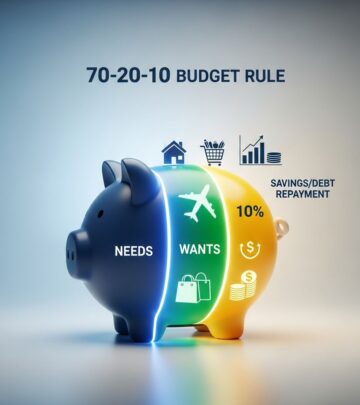
| 70-20-10 rule | 70% spending (needs + wants) | 20% savings | 10% giving or extra debt payoff | Those who want one large spending bucket and a dedicated portion for generosity or debt reduction |
| 60-30-10 rule | 30% needs | 60% savings, debt payoff, and investments | 10% wants | Aggressive savers with high income or very low living costs who want to prioritize wealth building |
Each of these frameworks assumes a different balance between current consumption and future security. Evidence from retirement and savings research indicates that higher savings rates can substantially improve long-term financial outcomes, but also require stronger discipline and lifestyle tradeoffs.
Is the 60-20-20 Rule Right for You?
Deciding whether the 60-20-20 method fits your life depends on your current obligations, income level, and financial goals.
The rule might be a good fit if you:
- Want a simple, easy-to-follow budget that does not require tracking every line item
- Are able to cover your basic needs with about 60% of your income
- Can commit to saving at least 20% consistently over time
- Value having a dedicated portion of income for fun and non-essential spending
You might want to modify the percentages or consider another method if you:
- Have high fixed costs that make the 60% needs category unrealistic
- Carry significant high-interest debt and want to accelerate repayment
- Are aiming for early retirement or another aggressive financial target
- Have very low expenses and can afford to save far more than 20%
Many people start with 60-20-20 to build the habit of budgeting, then tweak the percentages as their circumstances evolve.
Frequently Asked Questions (FAQs)
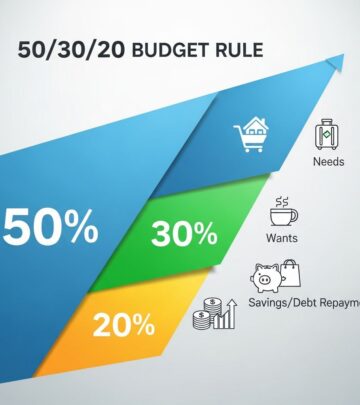
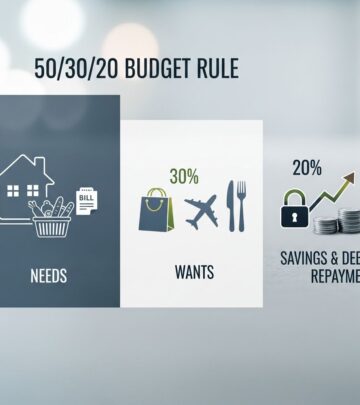
Q: How is the 60-20-20 rule different from the 50-30-20 budget?
A: The 50-30-20 rule typically allocates 50% of income to needs, 30% to wants, and 20% to savings. The 60-20-20 rule increases the share for needs to 60% and lowers wants to 20%, which can benefit people with higher essential costs or those who prefer a more conservative approach to discretionary spending.
Q: Should I include debt payments in the 60% needs category?
A: Yes, minimum required debt payments are generally treated as essential expenses and belong in the 60% category. Any extra payments above the minimum can be considered part of your savings or debt reduction efforts, depending on how you structure your budget.
Q: What if I cannot save a full 20% right now?
A: If 20% is not feasible, you can start with a smaller percentage and aim to increase it over time. Research on household finance shows that even modest, regular contributions to savings accounts can significantly improve resilience to financial shocks, especially when combined with gradual increases as income grows.
Q: Can I change the percentages as my situation changes?
A: Yes. The 60-20-20 rule is a guideline, not a rigid law. You can adjust it to something like 65-20-15 or 55-25-20 if that better fits your needs, debts, or savings goals. The key is keeping a structure that supports both current stability and long-term security.
Q: Is the 60-20-20 rule recommended by banks or financial institutions?
A: Several banks and financial educators use similar percentage-based frameworks to help customers organize their budgets because they are easy to understand and implement. While specific percentages may vary, the core idea of dedicating a consistent portion of income to savings and keeping needs within a reasonable share is widely supported in mainstream financial guidance.
References
- What Is The 60-20-20 Rule And How Does It Work? — Clever Girl Finance. 2024-01-10. https://www.clevergirlfinance.com/60-20-20-rule/
- Balancing your financial life with the 60/20/20 rule — First Citizens Bank. 2023-06-05. https://www.firstcitizens.com/personal/insights/budgeting/60-20-20-rule
- The 4 Best Budgeting Methods To Try! — Clever Girl Finance. 2023-09-14. https://www.clevergirlfinance.com/how-to-budget/
- 10 Truths about Smart Financial Decision Making — The Wharton School, University of Pennsylvania. 2019-04-10. https://globalyouth.wharton.upenn.edu/articles/your-money/10-truths-about-smart-financial-decision-making/
Similar Articles








Read full bio of medha deb