Avoid Vacation Debt: 6 Practical Strategies
Discover practical strategies to enjoy your dream vacation without the burden of post-trip debt and financial stress.
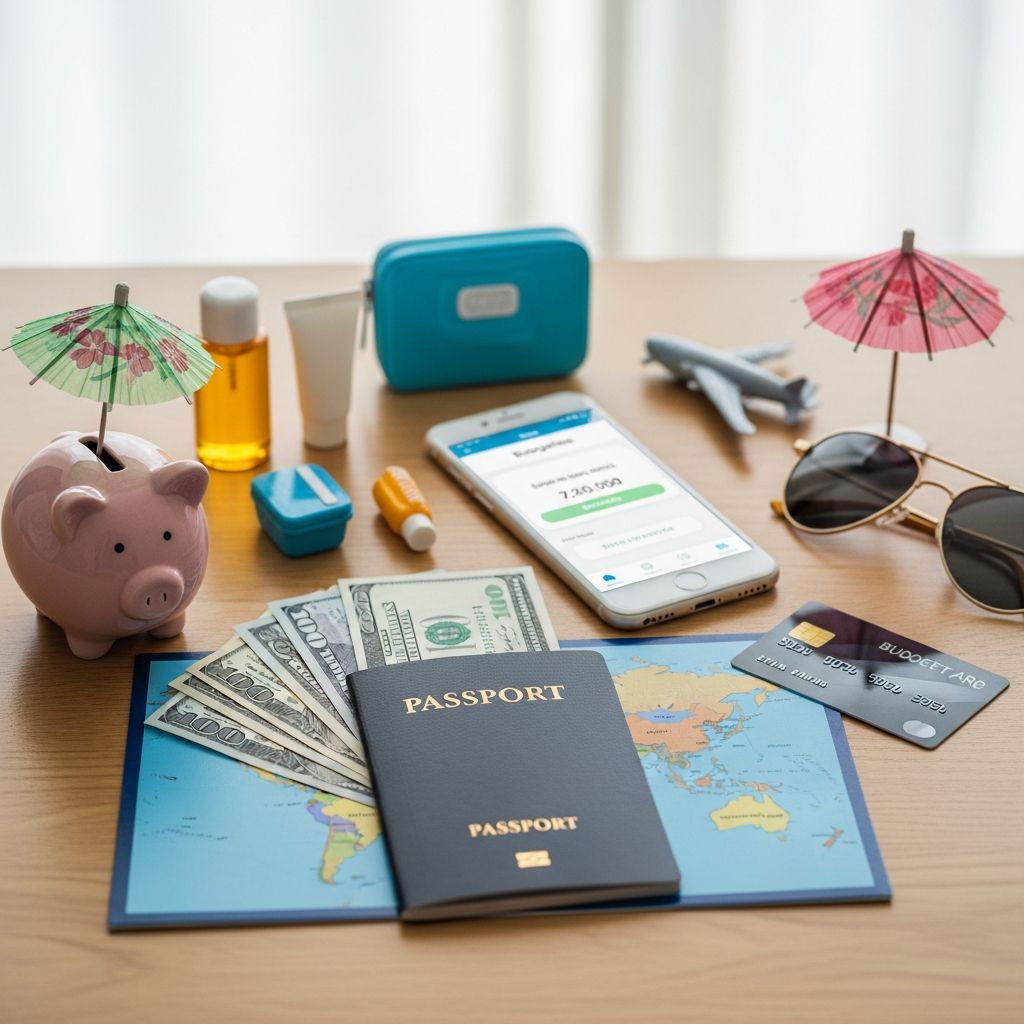
Vacations are essential for relaxation and creating memories, but they often lead to overwhelming credit card debt that lingers for months or years. According to the Federal Reserve, average household credit card debt exceeds $6,000, with travel expenses contributing significantly. This article outlines
six practical strategies
to fund your trips responsibly, ensuring you return home refreshed rather than regretting impulse purchases. By planning ahead, you’ll enjoy guilt-free adventures.Set a Realistic Budget
The foundation of debt-free vacations starts with a
detailed budget
that accounts for every expense. Begin by researching costs for flights, accommodations, food, activities, and transportation specific to your destination. Use free online tools like budget calculators from the Consumer Financial Protection Bureau (CFPB) to estimate totals accurately.Break down your budget into categories:
- Transportation: Flights or gas—book early for deals.
- Lodging: Hotels vs. rentals—compare nightly rates.
- Food: Daily meals—allocate 20-30% of budget.
- Activities: Tours and attractions—prioritize free options.
- Miscellaneous: Souvenirs and emergencies—add 10-15% buffer.
For a family of four heading to Orlando, a realistic budget might look like this:
| Category | Estimated Cost |
|---|---|
| Flights | $800 |
| Hotel (5 nights) | $750 |
| Food | $400 |
| Theme Parks | $600 |
| Transport/Misc | $250 |
| Total | $2,800 |
Track expenses in real-time using apps like Mint or Excel spreadsheets. This prevents overspending, as studies from the American Psychological Association show budgeting reduces financial anxiety by 30%. Adjust for inflation—airfares rose 15% in 2025 per U.S. Department of Transportation data.
Save Early and Often
Start a dedicated
vacation savings fund
months or even a year in advance. Automate transfers from your checking account to a high-yield savings account (HYSA) offering 4-5% APY, as reported by FDIC-insured banks. For a $3,000 trip in six months, save $500 monthly.Implement these saving tactics:
- Windfall allocation: Direct tax refunds, bonuses, or gifts straight to savings.
- Round-up apps: Tools like Acorns round up purchases and invest the change.
- Side hustles: Gig economy jobs via platforms approved by the U.S. Department of Labor can add $200-500 monthly.
The compound effect is powerful: Saving $200 monthly at 4% interest yields $1,236 in six months. This mirrors debt snowball principles from financial experts, building momentum without borrowing.
Use Credit Card Rewards Wisely
**Travel rewards credit cards** can offset costs if used strategically, but avoid carrying balances. Cards like those from Chase or Capital One offer 3-5x points on travel, per their official terms. Pay off statements monthly to dodge 20%+ APRs.
Key tips:
- Redeem points for flights/hotels via issuer portals.
- Choose no-foreign-transaction-fee cards for international trips.
- Sign-up bonuses: 60,000 points after spending $4,000 in three months can cover a round-trip flight.
The CFPB warns that rewards lure users into debt—only 40% pay off fully monthly. Treat cards as debit: Spend only what you have saved.
Travel Off-Peak and Opt for Packages
Timing is crucial for savings.
Off-peak travel
—shoulder seasons like fall for Europe—cuts costs 20-50%. Bureau of Labor Statistics data shows hotel rates drop 30% post-summer.Package deals bundle flights + hotels, saving 15-25% via sites backed by airlines. Group travel amplifies discounts: Split villas or cars for 40% per person reductions.
Pro tip: Flexibility yields deals—midweek flights are 15% cheaper per DOT stats.
Embrace Low-Cost Destinations and Free Activities
Skip pricey spots like Maldives; opt for
budget-friendly gems
like Portugal or U.S. national parks. Entry to Yellowstone is $35/vehicle, offering weeks of free hikes per National Park Service.- Stay local: Road trips average $150/day vs. $400 for flights.
- Free fun: Beaches, hiking, markets—no tickets needed.
- Hostels/Airbnb: 50% cheaper than resorts.
Cooking meals saves $50/day; grocery costs are tracked by USDA at 30% less than dining out.
Prepay and Avoid Temptations
**Prepay major expenses** like flights/hotels using saved funds, locking rates and freeing mental space. Use layaway for activities if available.
Combat temptations:
- Cash-only for daily spends—studies show 20% less spending.
- Pre-set daily limits: $100/person.
- Skip souvenirs; photos last longer.
This aligns with behavioral finance from NBER research, curbing impulse buys.
Frequently Asked Questions (FAQs)
Q: How far in advance should I start saving for vacation?
A: Ideally 6-12 months for major trips; divide total by months for painless monthly savings.
Q: Are travel credit cards worth it for avoiding debt?
A: Yes, if you pay balances fully; they save 10-20% on costs but charge high interest otherwise.
Q: What’s the best way to stick to a travel budget?
A: Use apps for real-time tracking and allocate cash envelopes per category.
Q: Can group travel really save money?
A: Absolutely—shared costs cut expenses by 30-50% per person.
Q: How do I handle unexpected vacation costs?
A: Build a 10-15% buffer; use emergency fund, not credit cards.
Implementing these strategies ensures vacations enhance life without financial fallout. Debt-free travel means more freedom, as 61% of debt-free Americans report higher life satisfaction. Start today for tomorrow’s adventures.
References
- Consumer Financial Protection Bureau: Credit Card Rewards and Debt — CFPB. 2024-06-15. https://www.consumerfinance.gov/consumer-tools/credit-cards/
- Federal Reserve: Report on the Economic Well-Being of U.S. Households — Federal Reserve Board. 2025-05-20. https://www.federalreserve.gov/publications/2025-economic-well-being-of-us-households.htm
- U.S. Department of Transportation: Air Travel Consumer Report — DOT. 2025-09-10. https://www.transportation.gov/airconsumer/air-travel-consumer-report
- Bureau of Labor Statistics: Consumer Expenditure Survey — BLS. 2025-03-28. https://www.bls.gov/cex/
- National Park Service: Fee Schedule — NPS. 2025-01-01. https://www.nps.gov/planyourvisit/fees.htm
Similar Articles








Read full bio of Sneha Tete