Insure Your Side Gig: 6 Times You Need Coverage
Protect your extra income streams: Discover the 6 critical scenarios where side gig insurance is essential to safeguard your hustle.

A side gig offers an excellent opportunity to supplement your primary income, whether it’s freelancing, ridesharing, crafting, or consulting. However, treating your side hustle like a casual endeavor without proper safeguards can lead to financial disaster. Many overlook that personal insurance policies, such as homeowners or auto coverage, often exclude business-related risks. Insuring your side gig provides peace of mind and protection against liabilities, property loss, and interruptions that could wipe out your hard-earned gains.
This article outlines
six critical times
when securing specialized insurance for your side business is non-negotiable. From client injuries to equipment theft, understanding these scenarios empowers you to make informed decisions. We’ll delve into real-world examples, types of coverage needed, and practical steps to get protected without breaking the bank.1. When You’re Providing Services Directly to Clients
If your side gig involves hands-on services—like pet sitting, house cleaning, tutoring, or personal training—you face significant
liability risks
. A client could slip on your wet floor during a cleaning session, or a pet under your care might bite a neighbor. Without insurance, you could be personally sued for medical bills, lost wages, or pain and suffering.General liability insurance is essential here. It covers third-party bodily injury, property damage, and legal fees. For instance, a freelance dog walker in California faced a $50,000 lawsuit after a leashed dog pulled away and scratched a passerby. Her homeowner’s policy denied the claim because it was business-related, leaving her to pay out-of-pocket until she purchased proper coverage.
- Key Coverages: Bodily injury, property damage, advertising injury.
- Cost Estimate: $300–$600 annually for low-risk services.
- Pro Tip: Require clients to sign waivers, but don’t rely on them alone—insurance is your safety net.
Even virtual services like consulting carry risks. A bad financial tip could lead to claims of professional negligence, necessitating errors and omissions (E&O) insurance alongside general liability.
2. When You Use Your Home as a Business Space
Turning your garage into a workshop for Etsy crafts or your living room into a photography studio blurs the line between personal and business use. Standard homeowners insurance typically excludes business activities, leaving your equipment, inventory, and home exposed.
Consider a side gig baker who hosts cupcake decorating classes. If a fire from an oven sparks and damages the kitchen, repairs could exceed $20,000. Business owners policy (BOP) bundles property and liability coverage tailored for home-based operations.
| Risk | Without Insurance | With BOP |
|---|---|---|
| Theft of tools/inventory | Full personal loss | Reimbursed up to policy limit |
| Client injury at home | Personal lawsuit | Defense and settlement covered |
| Equipment breakdown | Out-of-pocket repair | Inland marine coverage applies |
Many insurers offer endorsements to extend homeowners policies for minimal extra cost ($100–$300/year), but dedicated business insurance provides broader protection as your gig scales.
3. When You Drive for Your Side Hustle
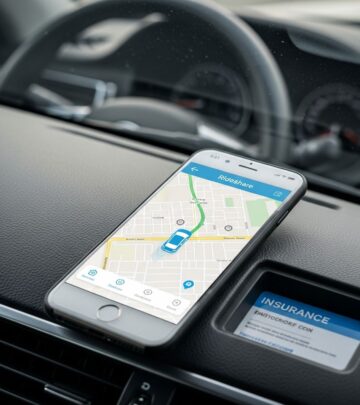
Rideshare drivers, food deliverers, or mobile mechanics rely on vehicles, but personal auto policies void coverage during commercial use. A fender-bender while dashing for DoorDash could result in denied claims, skyrocketing premiums, or license suspension.
Rideshare-specific insurance fills gaps: Period 1 (app on, no passenger), Period 2 (passenger onboard), and Period 3 (personal use). According to the Insurance Information Institute, over 70% of gig drivers lack adequate coverage, exposing them to six-figure liabilities.
- Recommended Add-Ons: Commercial auto or rideshare endorsements from providers like Geico or Progressive.
- Average Cost: $15–$30/month extra.
- True Story: An Uber driver in Texas paid $100,000 personally after an accident; proper insurance would have covered it.
Always disclose business use to your insurer to avoid claim denials.
4. When You Handle Client Property or Valuable Goods
Side gigs like event planning, photography, or handyman services often involve borrowing or transporting client items—cameras, jewelry, antiques. Damage or loss falls on you without coverage.
Inland marine insurance protects equipment and others’ property anywhere it’s used. A wedding photographer dropped a couple’s $5,000 ring; her policy reimbursed them fully, preserving her reputation and reviews.
This coverage extends to:
- Tools and gear in transit.
- Client-furnished materials.
- Bailee coverage for temporary custody.
5. When Your Income Relies on Consistent Gig Work
Side hustles promising steady cash flow—like graphic design freelancing or content creation—crumble without business interruption insurance. Illness, family emergency, or disaster halting work means zero income.
This policy reimburses lost earnings, rent, and temporary staff costs. For a virtual assistant sidelined by COVID, it covered three months of projected income ($4,500). Pair it with key person insurance if your skills are irreplaceable.
Cyber insurance is vital for online gigs: A hacked client database could lead to lawsuits. The FBI reports gig workers lose $100 million+ annually to cyber threats.
6. When Your Side Gig Generates Substantial Revenue
Once earnings hit $1,000+/month or you hire help, you’re a business. Workers’ compensation becomes mandatory in most states for employees or contractors. Product liability protects if you sell goods—a faulty handmade toy injuring a child triggers recalls and suits.
Umbrella policies provide excess liability (e.g., $1M+). Scaling without them risks personal assets like your home or savings.
- Thresholds: Check state laws; e.g., CA requires WC for one employee.
- Cost: Umbrella starts at $150/year for $1M coverage.
Common Myths About Side Gig Insurance
Don’t fall for these misconceptions:
- Myth: Home/auto policies cover everything. Fact: Business exclusions apply.
- Myth: Too expensive for small gigs. Fact: Micro-policies start at $20/month.
- Myth: LLC protects personally. Fact: Insurance needed for liability beyond entity veil.
How to Choose and Buy Side Gig Insurance
- Assess Risks: List activities, assets, and exposures.
- Shop Providers: Next Insurance, Hiscox, State Farm for small biz.
- Compare Quotes: Use tools for general liability/BOP.
- Bundle: Save 20%+ combining policies.
- Review Annually: Adjust as gig grows.
Frequently Asked Questions (FAQs)
What is the cheapest side gig insurance?
General liability for low-risk gigs starts at $300/year. Shop online aggregators for quotes.
Do I need insurance for freelance writing?
Yes, E&O for professional liability against claims of bad advice or plagiarism.
Does Etsy require seller insurance?
Not directly, but recommended for product liability on handmade goods.
Can I deduct insurance premiums?
Yes, as business expenses on Schedule C if self-employed.
What if my side gig is just a hobby?
If selling/monetizing, it’s a business—insure accordingly.
Insuring your side gig isn’t optional—it’s smart risk management. Protect your income, assets, and future today.
References
- Small Business Insurance Basics — Insurance Information Institute. 2024-06-15. https://www.iii.org/article/small-business-insurance-basics
- Insurance Requirements for Rideshare and Delivery Drivers — National Association of Insurance Commissioners (NAIC). 2023-11-20. https://content.naic.org/consumer.htm
- Workers’ Compensation Laws by State — U.S. Department of Labor. 2025-01-10. https://www.dol.gov/agencies/owcp
- Cybersecurity for Small Businesses — Federal Bureau of Investigation (FBI). 2024-09-05. https://www.fbi.gov/business
- Home-Based Business Insurance Guide — Federal Trade Commission (FTC). 2023-03-12. https://www.ftc.gov/business-guidance
Similar Articles








Read full bio of Sneha Tete