6 Steps To A Minimal Makeup Routine On A Budget
Learn how to build a quick, polished, minimal makeup routine that saves you time, money, and clutter every single day.
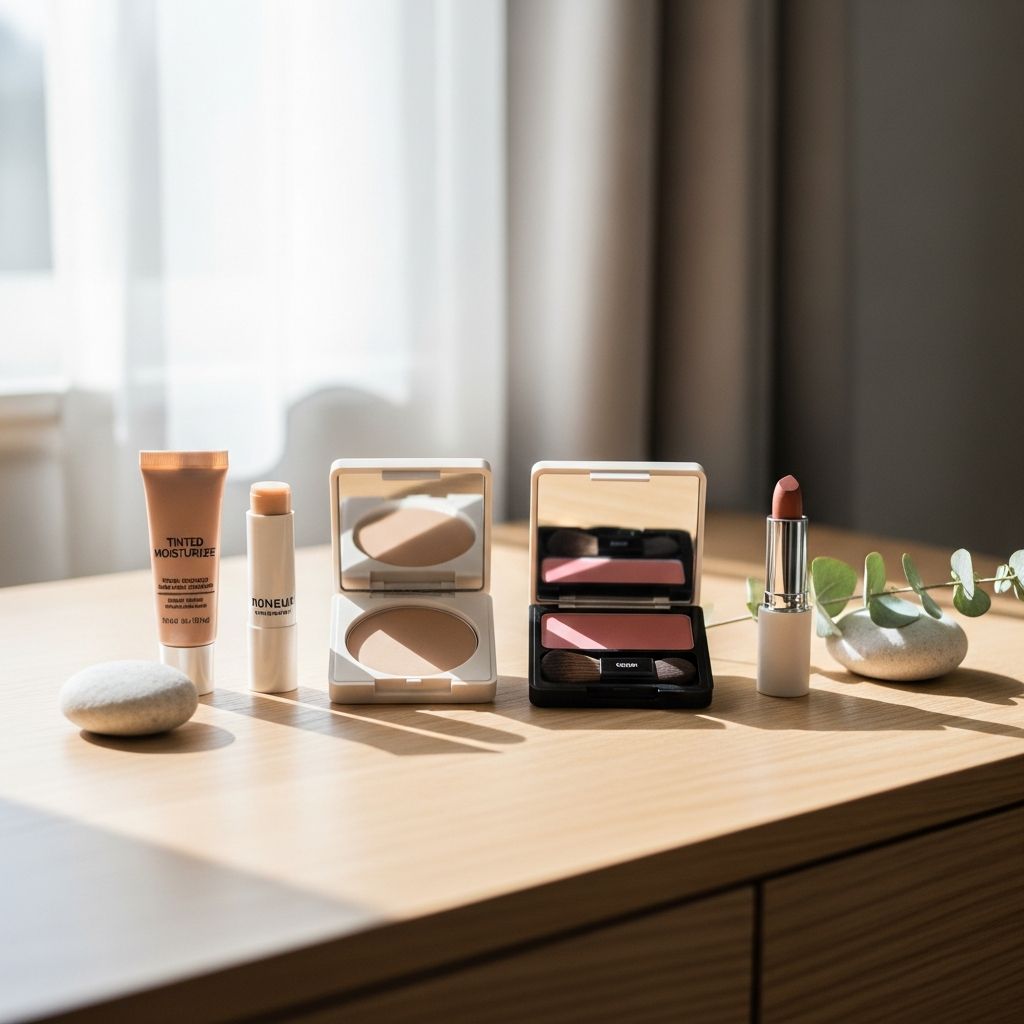
A minimal makeup routine lets you look polished and feel confident without spending a lot of time or money. Instead of overflowing drawers and complicated steps, you focus on a small group of reliable products you can use in minutes.
This guide walks you through why a minimalist routine works, how to declutter your current products, and a simple six-step routine you can customize to your skin, schedule, and budget.
Why a minimal makeup routine is worth it
A streamlined makeup routine is not just about doing less. It is about making intentional choices that protect your skin, your time, and your wallet.
A minimal makeup routine takes out the guesswork
When you already know the exact steps you will follow each morning, you avoid wasting time deciding which products to use or which colors go together. A repeatable routine means you can get ready quickly, even when you are tired or in a rush.
- You use the same basic steps every day and only add extras when you want something special.
- You reduce decision fatigue and free up mental energy for work, family, or your goals.
- Your look becomes consistent and reliable, so you know what to expect in photos or meetings.
Psychology research links routines to lower stress and better daily functioning, especially on busy days.
Great for people constantly on the go
If you travel frequently or juggle a busy schedule, carrying a small makeup kit can make your life easier. Rather than packing dozens of products, you only need a few multi-purpose items that fit into a small cosmetic bag.
- A compact routine is easy to pack in a purse, carry-on, or work bag.
- You can touch up quickly in a restroom, in the car (parked), or at the airport.
- You avoid the stress of forgetting a specific palette or brush because your routine relies on fewer, more versatile products.
A minimal makeup routine saves you money
Cosmetics can be surprisingly expensive over time. In some surveys, women report spending hundreds of dollars per year on makeup alone, especially when they regularly test new products or trends.
- Owning fewer products means you buy less and use up what you have.
- You can direct your budget toward a few high-quality essentials that perform well and last.
- You are less likely to let products expire untouched at the back of a drawer.
From a personal finance perspective, minimizing beauty purchases is one way to keep discretionary spending in line with your broader financial goals.
Healthier for your skin
Using fewer layers and products can help reduce irritation, clogged pores, and redness, especially if you have sensitive or acne-prone skin.
- Fewer ingredients touching your face means a lower chance of irritation or allergies.
- Removing a lighter layer of makeup at night is easier, helping you cleanse thoroughly.
- You can more easily identify which product is causing a problem if irritation appears.
How to simplify your current makeup collection
Before building a new routine, take a realistic look at what you already own. The goal is not to throw away everything but to intentionally curate products that truly serve you.
Step 1: Gather and sort everything
Pull all of your makeup out of drawers, bags, and purses so you can see it in one place.
- Group items by category: base products, concealers, cheek colors, eye products, lip products, tools.
- Check for expired products, especially mascaras and liquid items that have been open for more than a few months.
- Remove anything that has dried out, separated, smells off, or no longer matches your skin tone.
Step 2: Keep multi-tasking products
After removing what you no longer use, pay attention to products that can serve more than one function.
- Cream blush that can double as a lip color.
- Bronzer or contour that can also be used as a neutral eyeshadow.
- BB cream that combines moisturizer, light coverage, and SPF.
Multi-purpose products allow you to carry less while still looking put-together.
Step 3: Identify your true essentials
Think about what you wear most often when you want to feel like “yourself,” just slightly more polished.
- Maybe that is simply even skin tone and mascara.
- Maybe it is concealer, a bit of blush, and brow gel.
- Whatever feels most “you” can become the backbone of your minimal routine.
Once you recognize those essentials, you can match them to the six steps described below and decide what to repurchase when something runs out.
The six-step minimalist makeup routine
This six-step routine is designed to be flexible. You do not have to use every step every day; instead, treat it as a framework you can adjust depending on your needs, skin type, and how much time you have.
| Step | Product Type | Main Purpose | Can You Skip It? |
|---|---|---|---|
| 1 | Cleanser & moisturizer | Prep and protect the skin | Not recommended to skip |
| 2 | BB cream or foundation | Even out skin tone | Optional if you love your bare skin |
| 3 | Concealer | Targeted coverage for blemishes or dark circles | Optional on clear-skin days |
| 4 | Blush or cheek color | Add healthy color and dimension | Optional but very effective |
| 5 | Mascara | Define lashes and open the eyes | Optional if you prefer a bare-eye look |
| 6 | Lip color or balm | Finish the look and add moisture | Optional but quick and easy |
Step 1: Start with clean, moisturized skin
Good makeup starts with good skin preparation. Dermatology guidelines consistently recommend gentle cleansing and daily moisturizing to help maintain the skin barrier and overall skin health.
- Use a gentle cleanser suited to your skin type—foaming or gel for oilier skin, lotion or cream for drier skin.
- Pat your face dry instead of rubbing to avoid irritation.
- Apply a moisturizer; during the day, choose one with SPF 30 or higher when possible to protect against sun damage.
Step 2: Apply BB cream or foundation
Once your skin is prepped, decide how much coverage you want.
- BB cream: This is ideal if you prefer a light, skin-like finish. Many BB creams combine hydration, a bit of pigment, and sometimes SPF in one product, which keeps your routine short.
- Foundation: Use this when you want medium to full coverage, such as for events, photos, or days when you want a smooth, polished look.
Application tips:
- Use your fingertips for a quick, natural finish.
- Use a makeup sponge for more even blending, especially around the nose and jawline.
- Focus product in the center of the face and blend outward for a more natural look.
Step 3: Use concealer where you need it
Concealer lets you target specific areas without adding heavy coverage everywhere.
- Choose a shade that matches your skin tone for blemishes.
- For dark circles, a slightly peach- or yellow-toned concealer may help neutralize shadows.
- Apply in thin layers rather than a thick dot of product; you can always add more.
To keep skin clear, clean your brushes and sponges regularly. Professional dermatology guidance notes that unwashed makeup tools can accumulate bacteria, which may contribute to breakouts or irritation.
Step 4: Add blush or cheek color
Even a small amount of color on the cheeks can make you look more awake and healthy, especially when you are tired.
- Powder blush: Good for normal to oily skin and for people who prefer a matte finish.
- Cream or liquid blush: Great for dry or mature skin and for a dewier, more natural finish.
- Multi-use sticks: Can be used on cheeks and lips, saving both space and money.
Smile slightly and apply color to the apples of your cheeks, then blend upward and outward toward your temples. With minimal makeup, subtlety is key; you can always build up the color slowly.
Step 5: Define your eyes with mascara
Mascara is one of the fastest ways to make your eyes look more open and defined, even when you wear no other eye makeup.
- Choose brown or black for the most natural effect.
- If you like a bit more drama, you can curl your lashes before applying mascara, or choose a curling formula.
- For long days or humid weather, a waterproof or water-resistant formula may help prevent smudging.
Most eye-health experts recommend replacing mascara every three months to reduce the risk of eye infections and to keep the product performing well.
Step 6: Finish with a simple lip color
Your lips can stay understated and still pull your whole look together.
- On casual days, choose a tinted lip balm that adds both moisture and a hint of color.
- For work or events, a neutral lipstick close to your natural lip shade gives a polished effect.
- If you use a cream blush that is safe for lips, you can lightly tap the same color on your mouth to tie the look together.
Keeping lips hydrated is not just cosmetic—well-moisturized lips are less likely to crack or become irritated, especially in dry or cold weather.
Budgeting for a minimal makeup routine
You do not need to buy everything at once to build this routine. A simple plan can help you upgrade or replace products over time while keeping your spending under control.
Set a maximum beauty budget
Start by deciding how much you are comfortable spending on makeup in a month or year, based on your current income and financial goals.
- Look at your past spending on beauty to estimate a realistic figure.
- Consider how long typical products last; many items do not need to be replaced monthly.
- Allocate a portion of your discretionary budget to makeup and stick to it.
Prioritize replacements and essentials
Once you know your limit, decide which items deserve the biggest portion of your budget.
- Prioritize products that directly touch your skin daily, such as base products and mascara.
- Replace expired or very old mascara and liquid products first for hygiene reasons.
- Focus on building a small set of high-use items instead of owning many rarely used products.
Choose affordable, effective options
More expensive does not always mean better performance. Drugstore and mid-range brands often use similar ingredients to luxury lines, especially for basic products like mascara, blush, and lip balm.
- Read ingredient lists and look for non-comedogenic labeling if you have acne-prone skin.
- Research products using independent reviews rather than only relying on marketing claims.
- Avoid constant impulse purchases; wait a few days before buying something new to decide if it truly fills a gap.
Tips to make a minimal routine work every day
A minimalist approach to makeup is easiest to maintain when you set up a simple system that supports your routine.
- Keep your daily products together in one small bag or tray so you do not waste time searching.
- Do a quick monthly check for products you are not using and move them out of your everyday space.
- Time yourself once; you may find your full look takes only 5–10 minutes, which makes it easier to commit to.
- Adapt the routine seasonally by swapping shades or textures while keeping the same core steps.
Frequently Asked Questions (FAQs)
Q: How many products do I really need for a minimal makeup routine?
A: Most people can create a complete everyday look with about five to seven products: cleanser, moisturizer with SPF, BB cream or foundation, concealer, blush, mascara, and a lip product.
Q: Is a minimal makeup routine okay for acne-prone or sensitive skin?
A: Yes. In fact, using fewer products can make it easier to avoid irritation. Look for non-comedogenic, fragrance-free formulas and remove makeup thoroughly each night to support skin health.
Q: Do I need separate day and night makeup routines?
A: Your minimal daytime makeup can usually double for evenings, but you might add one or two extras, like a bolder lip color or additional mascara, when you want a slightly more dramatic look.
Q: How often should I replace my minimal makeup products?
A: Powders can last longer (often up to two years), but liquid products and mascaras should be replaced more often; experts commonly recommend changing mascara about every three months for eye safety.
Q: Can I build a minimal makeup routine if I am a complete beginner?
A: Absolutely. Start with clean skin, a simple base product, mascara, and a lip balm. Once you feel comfortable, you can add blush or concealer. The goal is not perfection but a quick routine that makes you feel confident.
References
- Routines, rituals, and habit. — American Psychological Association. 2020-08-01. https://www.apa.org/topics/covid-19/maintaining-routines
- The Psychology of Spending and Saving. — Consumer Financial Protection Bureau. 2023-04-10. https://www.consumerfinance.gov/consumer-tools/educator-tools/resources-for-older-adults/psychology-of-spending-and-saving/
- Poll: Women spend thousands on appearance, but few feel empowered by it. — Today / NBC News. 2017-04-25. https://www.nbcnews.com/health/health-news/poll-women-spend-thousands-appearance-few-feel-empowered-it-n751126
- Skin care and cosmetics: What dermatologists recommend. — American Academy of Dermatology Association. 2022-06-15. https://www.aad.org/public/everyday-care/skin-care-basics
- Eye cosmetics safety. — U.S. Food & Drug Administration. 2020-11-19. https://www.fda.gov/cosmetics/cosmetic-products/eye-cosmetics
Similar Articles








Read full bio of medha deb