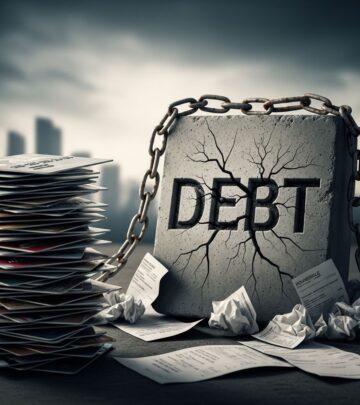
Credit Card Debt: 6 Scary Facts And Ways To Escape
Discover the frightening realities of credit card debt and how it impacts your financial future.

Credit card debt has become a significant financial burden for millions of Americans. As we navigate an increasingly expensive economic landscape, understanding the realities of credit card debt is essential. This article explores six frightening facts about credit card debt that should concern anyone carrying a balance on their cards.
1. There’s Too Much Credit Card Debt Out There
The sheer volume of credit card debt in America is staggering. According to Federal Reserve data, the total amount of revolving debt owed by U.S. consumers has reached alarming levels, with credit card debt representing the majority of this figure. In recent years, this debt has continued to grow at an unsustainable pace, reflecting broader economic challenges and changing consumer behavior.
The Federal Reserve has warned that total credit card balances continue climbing toward unprecedented heights. This explosive growth in credit card debt reflects not just overspending, but also the reality that many Americans are struggling with basic living expenses. When combined with stagnant wages and rising costs of living, credit card debt has become a necessity for many households, not just a convenience.
The prevalence of credit card debt is widespread across demographic groups. According to recent surveys, nearly half of credit card holders (46 percent) carry debt from month to month. This represents a significant increase from previous years, indicating that debt-carrying has become increasingly normalized and commonplace among American consumers.
2. We’re Not Paying Off Our Credit Card Debt as Quickly as We’re Adding to It
One of the most troubling facts about credit card debt is that Americans are not keeping pace with the debt they accumulate. During the first quarter of 2016, U.S. consumers paid off $26.8 billion in credit card debt—a number that sounds impressive on its surface. However, this amount represented only 38 percent of the $71 billion in credit card debt that consumers added to their cards during 2015.
This disparity reveals a critical problem: Americans are adding new debt much faster than they can pay it off. Year-over-year data shows that the growth rate of new debt far outpaces the rate of debt reduction, creating a vicious cycle that becomes increasingly difficult to escape. When consumers add debt at roughly 2.7 times the rate they pay it off, it becomes clear why credit card debt continues to snowball across the nation.
The consequences of this imbalance are severe. Each month that passes without paying off the balance means additional interest charges accumulate, making the original debt grow exponentially. This creates a scenario where even consumers who are actively trying to pay down their debt find themselves unable to make meaningful progress without dramatic changes to their financial situation.
3. The Average Credit Card Debt is Dangerously High
Understanding the average amount of credit card debt Americans carry is crucial for recognizing the scope of the problem. The statistics vary depending on whether you include only households that carry balances or all credit card users, but the numbers are consistently alarming.
Recent data shows that the average U.S. household with credit card debt owes substantial amounts. Among credit cards that typically carry a balance, the average balance is in the thousands of dollars. These figures represent significant financial obligations that can take years to repay, especially when consumers only make minimum payments.
The burden this debt places on households is considerable. For many American families, this level of debt represents months or years of income and creates stress that extends far beyond financial calculations. The psychological impact of carrying such large balances can affect mental health, relationships, and overall quality of life.
4. Credit Card Interest Rates Remain Frighteningly High
Perhaps one of the most terrifying aspects of credit card debt is the interest rates that borrowers must pay. Credit card interest rates have reached historic levels, with average variable interest rates standing at significantly elevated levels. The current economic environment has only exacerbated this problem, as the Federal Reserve’s interest rate increases have pushed credit card rates to record highs.
What makes these rates even more frightening are penalty interest rates. If you fall behind on your credit card payments, card companies can impose penalty rates that soar to 28 percent or higher. These punitive rates transform already-expensive debt into a financial nightmare, making it nearly impossible for struggling borrowers to recover.
To illustrate the impact of these high interest rates, consider this scenario: If you owe $5,474 (the average credit card balance) at the average interest rate of 19.85 percent and only make minimum payments, you’ll be in debt for 202 months and will owe a grand total of $7,637 in interest alone. This means you’re paying nearly $2,200 more than the original debt simply because of high interest rates and minimum payments.
Interest Rate Comparison Across Card Types
| Card Type | Typical Rate Range | Penalty Rate |
|---|---|---|
| Standard Credit Cards | 18%-25% | 28%+ |
| Balance Transfer Cards | 0%-12% (intro) | 18%-25% |
| Student Credit Cards | 17%-22% | 25%+ |
| Secured Credit Cards | 18%-26% | 26%+ |
5. Minimum Payments Keep You in Debt for Decades
One of the most insidious aspects of credit card debt is how minimum payments trap consumers in a cycle of endless debt. Many credit card holders assume that making the minimum payment each month is sufficient, but the reality is far more troubling.
Consider a concrete example: If you owe $6,000 on a credit card with an interest rate of 18 percent and your minimum payment is 4 percent of your monthly balance, it will take you 11 years and 9 months to pay off that debt. Over that decade-plus period, you’ll pay a total of $9,474 to eliminate the original $6,000 debt—a 58 percent increase due to interest charges. This assumes you don’t add any new debt during this time period, which most consumers do.
The problem with minimum payments is that they are deliberately designed to keep you indebted. Early in the repayment period, most of your minimum payment goes toward interest rather than principal. This means you’re making payments for years without meaningfully reducing what you owe. The credit card company profits enormously from this arrangement, while you suffer financially.
For someone with an average credit card balance of $5,474 making minimum payments at 19.85 percent interest, the numbers are equally devastating. You could spend over 16 years paying off the debt while accumulating thousands in unnecessary interest charges. This extended repayment timeline means that credit card debt can literally follow you from your 30s into your 40s or 50s.
6. Late Payments Can Devastate Your Credit Score for Years
The final scary fact about credit card debt involves the long-term consequences of missing payments. Paying your credit card bills late can have a devastating impact on your FICO credit score, the three-digit number that lenders use to determine whether you qualify for loans and at what interest rate.
If you are 30 days or more late on your credit card payments, your card provider can report your late payment to the three national credit bureaus: Experian, Equifax, and TransUnion. A single late payment will remain on your credit report for seven years. During this entire period, it will negatively impact your ability to qualify for favorable credit terms.
The damage to your credit score from a late payment can be substantial. A single late payment can cause your credit score to fall by 100 points or more. This dramatic drop can have cascading consequences: you may be denied for loans, offered less favorable interest rates on mortgages or auto loans, or even face obstacles in employment or housing applications, as some employers and landlords check credit reports.
This reality creates a painful trap for struggling consumers: As they fall behind on credit card payments due to financial hardship, they damage the credit score they need to secure favorable loans that might help them escape their financial difficulties. The system essentially punishes those who are already struggling the most.
Why Do People Get Into Credit Card Debt?
Understanding how people accumulate credit card debt is essential for developing effective solutions. Research reveals that most people get into credit card debt for very practical reasons, not frivolous spending.
Emergency Expenses: The top explanation for credit card debt is unexpected emergency expenses. Medical bills, home repairs, car repairs, or other sudden costs force many people to turn to credit cards when they lack emergency savings. Without a financial cushion, these unavoidable expenses become debt.
Day-to-Day Living Costs: The second most common reason is covering day-to-day expenses. In the current economic climate where inflation has driven up prices across all sectors, many families simply cannot cover their basic needs with their regular income. Grocery prices remain elevated, housing costs continue climbing, and utilities consume larger portions of household budgets.
Income Inequality: Inflation is hitting people with lower incomes the hardest. Those earning less than $50,000 annually have smaller budgets with less flexibility to cut expenses. For these households, credit cards become a survival tool rather than a luxury. Research shows that 55 percent of cardholders with annual household incomes under $50,000 carry balances from month to month.
How to Escape Credit Card Debt
While the facts about credit card debt are indeed scary, there are strategies that can help consumers break free from this financial burden:
- Pay more than the minimum: The most critical step is to pay significantly more than the minimum payment each month. Even doubling your minimum payment can cut your repayment time in half and save thousands in interest.
- Build an emergency fund: Create a financial cushion so unexpected expenses don’t force you back into debt.
- Consolidate debt: Consider balance transfer cards or debt consolidation loans to reduce your interest rate.
- Create a budget: Track your spending and identify areas where you can cut expenses to allocate more money toward debt repayment.
- Seek professional help: Non-profit credit counseling agencies can help you develop a debt repayment plan.
- Negotiate with creditors: Contact your card issuer to ask about lower interest rates or hardship programs.
Frequently Asked Questions
Q: What is the average credit card interest rate?
A: The average credit card interest rate varies by card type and creditworthiness, but currently averages around 19-20% for standard credit cards, representing historic highs.
Q: How long does a late payment stay on my credit report?
A: A single late payment will remain on your credit report for seven years from the date of the delinquency.
Q: What percentage of Americans carry credit card debt?
A: Approximately 46 percent of credit card holders carry debt from month to month.
Q: How much does the average household with credit card debt owe?
A: The average household with credit card debt carries balances in the thousands of dollars, with specific amounts varying by region and demographic factors.
Q: Can credit card companies charge penalty interest rates?
A: Yes, if you miss a payment, credit card companies can impose penalty interest rates that can reach 28 percent or higher.
Conclusion
The six scary facts about credit card debt paint a troubling picture of America’s financial landscape. From the astronomical volume of outstanding debt to the punitive interest rates and minimum payment traps, credit card debt represents a serious challenge for millions of households. Understanding these realities is the first step toward making better financial decisions and avoiding the debt trap that ensnares so many Americans.
References
- More People Are Carrying Credit Card Debt, And It Costs More Than Ever — Bankrate. 2024. https://www.bankrate.com/credit-cards/news/credit-card-debt-costs-more-than-ever/
- 6 Scary Facts About Credit Card Debt — Wise Bread. 2016. https://www.wisebread.com/6-scary-facts-about-credit-card-debt
- 2026 Credit Card Debt Statistics — LendingTree. 2025. https://www.lendingtree.com/credit-cards/study/credit-card-debt-statistics/
Similar Articles








Read full bio of Sneha Tete