6 Perks You Should Be Demanding From Your Employer
Unlock hidden workplace benefits that boost your lifestyle, savings, and job satisfaction without increasing your salary.
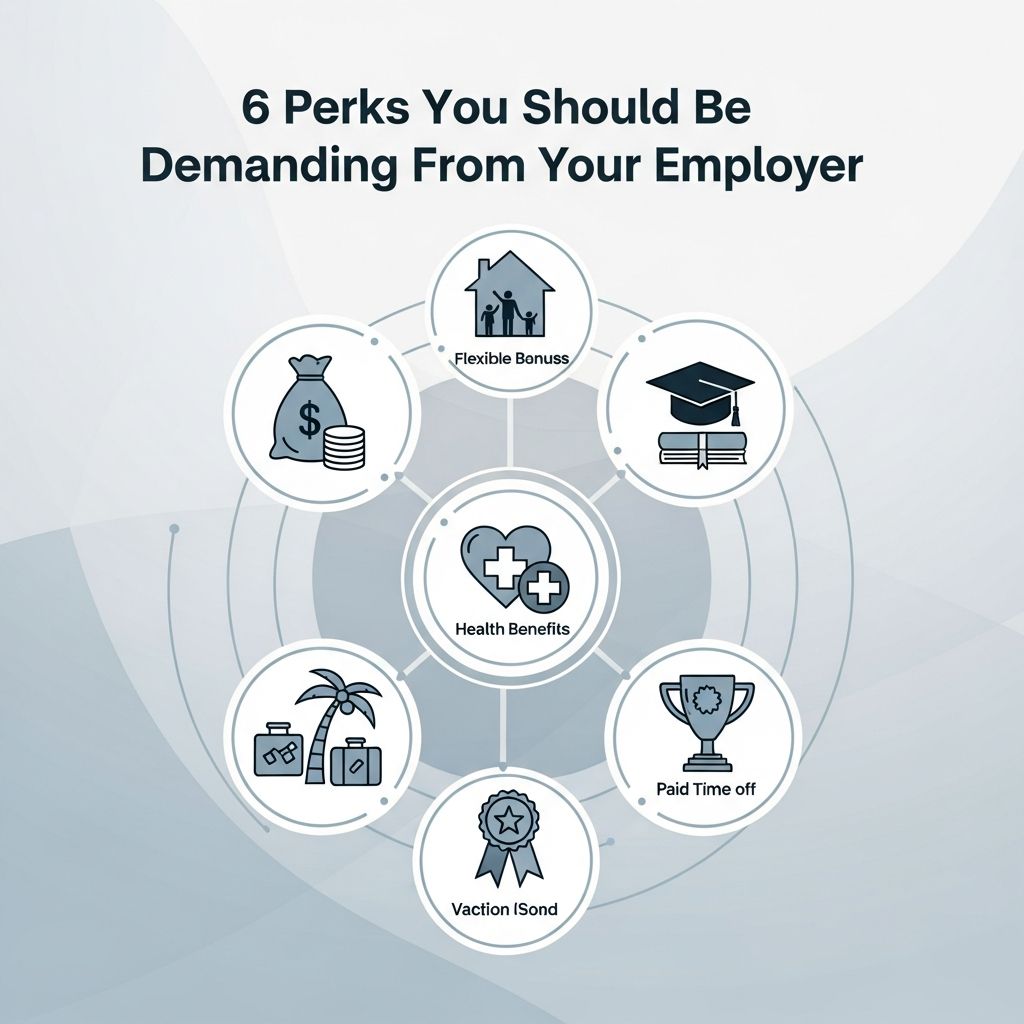
In today’s competitive job market, salary is just the starting point. Smart employees know that the real value often lies in perks—those extra benefits that can significantly improve your quality of life, save you money, and make your workday more enjoyable. While companies like Google and Facebook are famous for lavish perks like free gourmet meals and nap pods, smaller employers are catching on too. Even grocery chains like Wegmans offer tuition reimbursement to checkout clerks. Why shouldn’t you demand similar advantages? This article explores six perks you should negotiate for, drawing from real-world examples of innovative employer offerings. By asking for these, you can boost your overall compensation package without a penny more in base pay.
1. Beer Cart Fridays
Picture this: It’s Friday afternoon, the week’s grind is winding down, and a cart loaded with ice-cold craft beers rolls through the office. This isn’t a fantasy—it’s a reality at companies like Basecamp, where “Beer Cart Fridays” have become a beloved tradition. The idea is simple: provide free beer (or non-alcoholic alternatives) to employees at the end of the week to foster camaraderie, celebrate small wins, and ease everyone into the weekend.
Beyond the obvious fun, these events build team spirit and retention. Studies from the Society for Human Resource Management show that social perks like this increase employee engagement by up to 20%. For employers, it’s a low-cost way to boost morale—far cheaper than turnover costs, which average $4,000 per employee according to the U.S. Department of Labor.
How to demand it: During negotiations, frame it as a retention tool. Say, “Implementing a weekly Beer Cart Friday could enhance team bonding and reduce turnover, similar to successful programs at tech firms.” Start small: one cart per month, sourced from local breweries for added community ties. If alcohol isn’t feasible, pivot to soda carts or coffee upgrades. Employees at non-drinking companies have successfully negotiated ice cream socials or snack carts instead.
- Cost to employer: $50–$200 per event, depending on headcount.
- Your benefit: Free drinks, networking, stress relief.
- Pro tip: Suggest rotating employees to manage the cart for ownership.
2. Acupuncture, Estate Planning… and Texas Hold ‘Em
Wellness and personal development perks are exploding, but forward-thinking companies go beyond gym memberships. Take acupuncture sessions for stress relief, free estate planning consultations to secure your family’s future, or even Texas Hold ‘Em poker nights for mental sharpness and fun. These perks address holistic employee needs: physical health, financial security, and recreation.
For instance, some Silicon Valley firms subsidize acupuncture to combat desk-job ailments like back pain, citing reduced sick days. Estate planning workshops, offered by companies like Patagonia, help employees draft wills and trusts at no cost, partnering with local attorneys. And poker leagues? They’re gamified team-building that hones decision-making skills.
According to a 2023 SHRM report, companies offering unique wellness perks see 15% higher productivity. The IRS even allows employers to provide de minimis benefits like these tax-free up to certain limits.
Negotiation script: “I’d love access to wellness perks like subsidized acupuncture or estate planning sessions. These align with your health initiatives and support long-term employee loyalty.” Propose group rates: $20 acupuncture per session or quarterly poker tournaments with small prizes.
| Perk | Benefit | Example Companies |
|---|---|---|
| Acupuncture | Reduces chronic pain, lowers healthcare costs | Tech startups in SF |
| Estate Planning | Financial peace of mind | Patagonia, REI |
| Texas Hold ‘Em | Strategic thinking, socializing | Basecamp variants |
3. Gift Baskets and Bowling Nights
Recognition perks like personalized gift baskets for milestones (work anniversaries, project completions) and organized bowling nights create lasting memories. These aren’t extravagant— a $30 gourmet basket or league fees for a team outing pack emotional punch.
Bowling nights, popular at companies like Zappos, promote friendly competition and offsite bonding. Gift baskets can be themed: wellness kits, local artisanal foods, or family packs. Gallup research indicates that recognized employees are 2.5 times more likely to be engaged.
Ask for it: “Gift baskets for milestones and quarterly bowling outings would make celebrations memorable and strengthen team dynamics.” Budget: $25–50 per basket, $10–15 per bowler per event.
- Customization ideas: Birthdays get spa baskets; promotions get champagne.
- ROI: Higher morale leads to 21% greater profitability (Gallup).
4. Adoption Assistance and Educational Reimbursements
Family-focused perks like adoption assistance (up to $10,000 reimbursements) and tuition aid for degrees or certifications are game-changers. Wegmans pays full tuition for employees, no strings attached. Adoption aid, mandated tax-free up to $15,950 in 2026 per IRS rules, helps growing families.
Educational reimbursements average $5,250 annually tax-free (IRS Section 127). These perks signal employer investment in your future, boosting loyalty. A Deloitte study found 70% of employees with tuition benefits stay longer.
Negotiation angle: “Adoption assistance and education reimbursements would support my family and professional growth, mirroring top employers like Wegmans.” Start with $2,500/year for courses.
5. Flexible Hours and Remote Work Stipends
Though not always listed, demand core flexibility: adjustable hours for life balance and stipends for home office setups ($500–1,000 one-time). Post-pandemic, 58% of workers prioritize flexibility (McKinsey 2024). This perk saves commuting costs and time.
Frame as: “Flexible hours and a remote stipend enhance productivity, as evidenced by hybrid models at Microsoft.”
6. Pet Insurance and Wellness Days
Pet insurance covers furry family members (premiums ~$20/month subsidized), and mental health wellness days (4–6 paid per year) combat burnout. ASPCA data shows 67% of households have pets; insurers like Trupanion offer group plans.
Propose: “Pet insurance and wellness days promote holistic well-being, reducing absenteeism.”
Frequently Asked Questions (FAQs)
Q: How do I negotiate perks without seeming demanding?
A: Focus on mutual benefits—tie perks to productivity, retention, and company values. Research examples and use data.
Q: What if my employer is small and can’t afford these?
A: Scale down: Monthly snacks instead of weekly beer carts, or pro bono partnerships for services.
Q: Are these perks taxable?
A: Many are tax-free (e.g., education up to $5,250, adoption up to $15,950). Check IRS guidelines.
Q: Can I ask for these in a job offer?
A: Yes! After salary agreement, say, “Beyond base pay, what perks does the company offer?”
Q: How common are these perks?
A: Rising—SHRM reports 40% of firms added unique perks post-2020.
Negotiating perks empowers you to craft a dream job package. Research your company’s culture, benchmark against competitors, and confidently ask. Your worth extends beyond salary—claim the perks you deserve for a richer career and life.
References
- Employee Benefits Survey — Society for Human Resource Management (SHRM). 2023-01-15. https://www.shrm.org/resourcesandtools/hr-topics/benefits/pages/employee-benefits-survey.aspx
- State of the American Workplace — Gallup. 2017-04-01 (updated relevance for engagement metrics). https://www.gallup.com/workplace/238085/state-american-workplace-report-2017.aspx
- Publication 15-B: Employer’s Tax Guide to Fringe Benefits — Internal Revenue Service (IRS). 2025-12-01. https://www.irs.gov/publications/p15b
- Hybrid Work Trends — McKinsey & Company. 2024-06-20. https://www.mckinsey.com/capabilities/people-and-organizational-performance/our-insights/the-organization-blog/hybrid-work-trends
Similar Articles








Read full bio of Sneha Tete