6 Mobile Payment Tools You Should Start Using Today
Discover six essential mobile payment tools that simplify transactions, boost security, and streamline your financial life in the digital age.
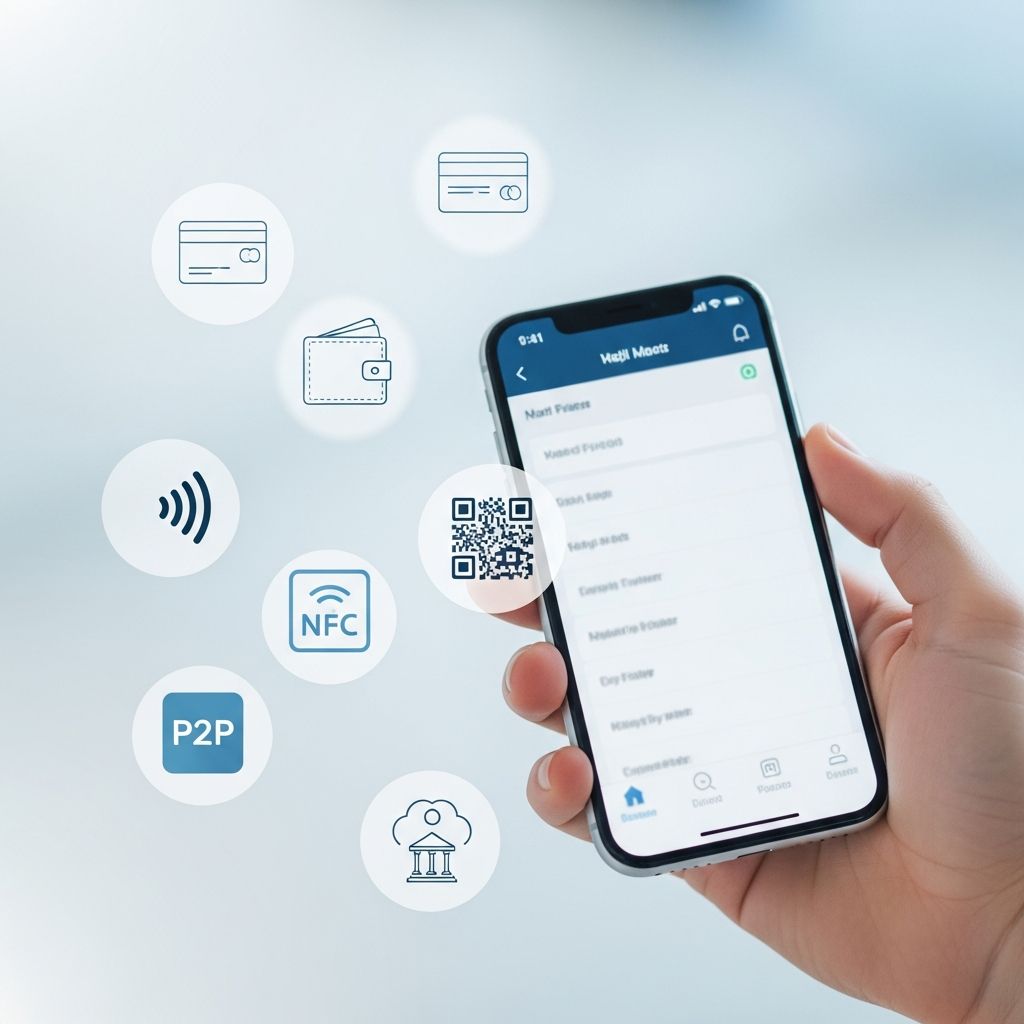
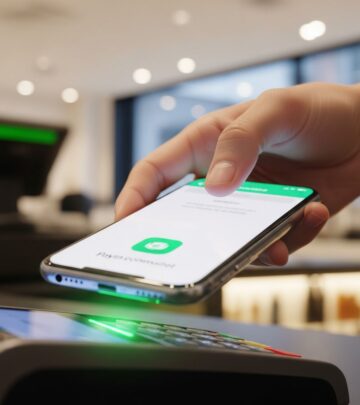
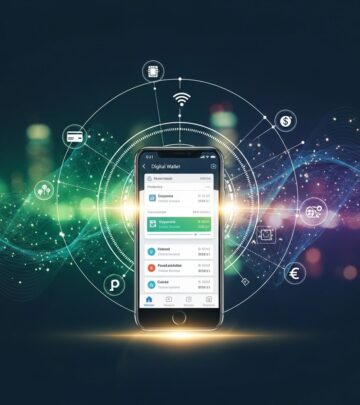
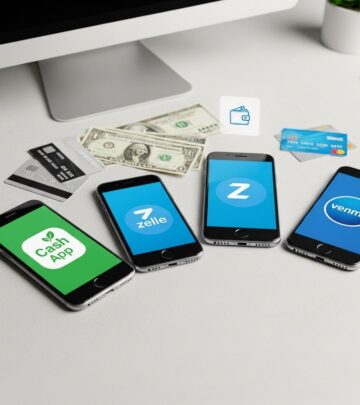
In an era where smartphones are ubiquitous, mobile payment tools have transformed how we handle transactions, reducing reliance on physical cash and cards. According to projections, mobile wallets will become the second most popular payment method by 2025, with cash usage dropping to just 5.7% at point-of-sale. These tools offer speed, security through tokenization and encryption, and added perks like loyalty integration. This article dives into six standout options: Square, PayPal, Venmo, Bitcoin, Apple Pay, and Google Wallet (now evolved into Google Pay). Each provides unique advantages for consumers and merchants, making them indispensable for modern finances.
1. Square
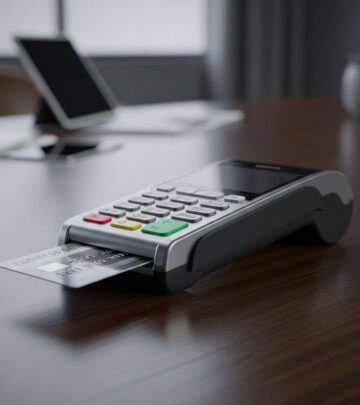
Square revolutionized small business payments by enabling anyone with a smartphone to accept card payments via a simple card reader. Launched in 2009, Square’s dongle plugs into your phone’s audio jack or uses NFC for contactless taps, turning your device into a point-of-sale terminal. Merchants pay a flat 2.6% + 10¢ per swipe, with no monthly fees, making it ideal for freelancers, food trucks, or pop-up shops.
To get started, download the free Square Point of Sale app, sign up, and order the magstripe reader (often free for new users). It supports Visa, Mastercard, Amex, and Discover, plus digital wallets like Apple Pay. Key features include instant deposits (for a 1% fee), inventory tracking, and sales reports. Security is robust: transactions are encrypted, and PCI compliance is built-in, protecting against fraud.
- Pros: Easy setup, no contracts, integrates with invoicing and payroll.
- Cons: Higher fees for keyed-in transactions (3.5% + 15¢).
- Best for: Side hustlers and small vendors seeking portability.
Real-world impact: A street vendor can process $500 daily without a traditional register, pocketing funds same-day. As NFC grows, Square’s contactless reader handles Apple Pay taps seamlessly, aligning with the shift to mobile wallets.
2. PayPal
PayPal, the pioneer of online payments since 1998, now dominates mobile with over 400 million accounts worldwide. Its app lets you send money to friends, shop online, or pay in-store via QR codes or NFC where available. Link your bank, cards, or PayPal balance for instant transfers (fee-free to friends in the U.S., 2.9% + 30¢ for goods).
Setup is straightforward: Download the app, verify your identity, and add payment methods. Features shine in peer-to-peer (P2P) sends with Venmo-like social feeds (optional privacy), buyer protection on purchases, and cryptocurrency buying/selling. PayPal Here adds a card reader for merchants, similar to Square.
| Feature | Details |
|---|---|
| Security | Encryption, 2FA, Purchase Protection up to $20,000. |
| Fees | Free P2P; 2.9%+ for sales. |
| Global Reach | 200+ markets. |
PayPal’s edge? Seamless e-commerce integration with one-click checkouts. During the pandemic, its contactless options surged, and today it supports PayPal Credit for financing. Users love splitting bills or requesting reimbursements effortlessly.
3. Venmo
Owned by PayPal, Venmo is the go-to for social payments, boasting 90 million users primarily under 35. Launched in 2009, it excels in P2P transfers with a fun, emoji-laden feed for sharing transactions (privatizable). Send money via username, phone, or QR code—funds clear instantly to linked cards or banks (1.75% fee, min $0.25).
Sign up with email/phone, link accounts, and verify. Beyond splitting dinners, Venmo offers a debit card for ATM withdrawals and cash advances, plus merchant payments at places like Uber. Security includes PIN/fingerprint locks and fraud monitoring.
- Standout: Social features make payments engaging, like commenting “Thanks for pizza! 🍕”.
- Drawback: Public feed defaults can expose spending habits—always adjust privacy.
Venmo’s growth reflects Gen Z’s preference for digital-first tools, with 50% of users paying bills via app. It’s not just casual; businesses use Venmo Business profiles for tips and sales.
4. Bitcoin
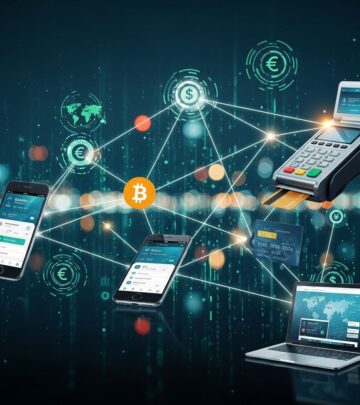
Bitcoin, the original cryptocurrency, has evolved into a mobile-friendly payment tool via wallets like Coinbase or Cash App. Decentralized and borderless, it enables instant global transfers without banks, with fees often under $1. By 2025, adoption is mainstream, accepted by Tesla (intermittently), Microsoft, and thousands of merchants via BitPay.
Start with a wallet app: Buy BTC with fiat, scan QR for payments. Volatility is a risk—prices swing wildly—but Lightning Network enables fast, cheap micropayments. Security relies on private keys; hardware wallets add safety.
Pros: Inflation hedge, financial inclusion for unbanked. Cons: Price flux, regulatory uncertainty. Mobile apps like Strike use Bitcoin for remittances, slashing Western Union fees from 6% to pennies.
- Tip: Use for international freelance payments—avoids currency conversion losses.
5. Apple Pay
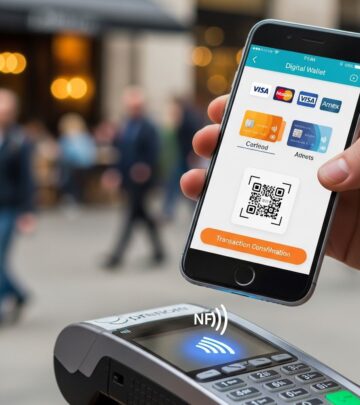
Apple Pay, introduced in 2014, leads contactless payments with tokenization replacing card numbers with unique codes per transaction. Compatible with iPhone 6+, Apple Watch, iPad, and Touch ID Macs, it works wherever NFC is accepted—look for the logo.
Add cards via Wallet app: Double-click side button, authenticate with Face ID/Touch ID, tap terminal. Supports thousands of banks globally, plus loyalty cards, tickets, and transit (Express Mode). View recent transactions in-app.
| Aspect | Apple Pay |
|---|---|
| Devices | iPhone 6+, Watch, iPad, MacBook Pro. |
| Security | Tokenization, biometric auth, no card data stored on phone. |
| Cards | Visa, MC, Amex from most banks. |
Privacy-focused: Apple doesn’t track purchases. Rewards mirror physical cards, and it’s fraud-resistant—banks cover unauthorized charges.
6. Google Wallet (Google Pay)
Google Wallet, rebranded as Google Pay, works on Android 5.0+ devices, iOS 12+, and Wear OS watches. Add cards, tap NFC terminals, authenticate via fingerprint/PIN. It integrates PayPal and shows transactions/balances.
Setup: Open app, add cards (hundreds supported), enable NFC. Features: P2P sends, online checkouts, loyalty storage. UPI in India adds local flair.
- Unique: Virtual cards for one-time use; peer-to-peer like Venmo.
- Security: Encryption, device lockout after failed attempts.
Google Pay’s cross-platform reach edges it for mixed households.
Choosing the Right Tool
Select based on device: Apple Pay for iOS, Google Pay for Android, Samsung Pay (bonus NFC/MST) for Galaxy. Multi-tool use maximizes perks—e.g., Venmo for friends, Square for gigs. All encrypt data, minimizing breach risks vs. plastic.
Frequently Asked Questions (FAQs)
Q: Are mobile payments secure?
A: Yes, via tokenization, biometrics, and encryption—safer than physical cards, as no data is shared with merchants.
Q: Do all stores accept these tools?
A: Most with NFC (90%+ U.S. retailers); check logos or apps for compatibility.
Q: Can I earn rewards?
A: Yes, digital wallets pass through card rewards unchanged.
Q: What’s the fee for P2P transfers?
A: Free to friends on Venmo/PayPal; small % for instant bank pulls.
Q: Is Bitcoin practical for daily use?
A: Increasingly, via stablecoins/Lightning for low fees and speed.
Adopting these tools future-proofs your wallet, cuts cash needs, and unlocks rewards. Start small—add one card today.
References
- Guide to mobile wallets: Samsung Pay, Apple Pay, Google Pay — CreditCards.com. 2024. https://www.creditcards.com/card-advice/samsung-pay-apple-pay-google-pay-set-up-security-rewards/
- 6 Mobile Payment Tools You Should Start Using Today — Wise Bread. Accessed 2026. https://www.wisebread.com/6-mobile-payment-tools-you-should-start-using-today
- Global Payments Report — Worldpay from FIS. 2024. https://worldpay.com/global-payments-report
- Consumer Financial Protection: Digital Wallets — Federal Reserve. 2025-03-15. https://www.federalreserve.gov/publications/files/digital-wallets-20250315.pdf
- Mobile Payment Security Standards — PCI Security Standards Council. 2024-06-01. https://www.pcisecuritystandards.org/documents/Mobile_Payment_Security_Standards_v1.pdf
Similar Articles








Read full bio of Sneha Tete