6 Health Rules You Should Be Breaking, Backed By Science
Discover six outdated health myths that are holding you back—breaking them can lead to better wellness and freedom.

We’ve all grown up hearing certain health rules repeated so often they feel like gospel. From warnings at the poolside to strict dietary no-nos, these bits of advice shaped our habits. But science has evolved, and many of these rules are not only outdated but potentially harmful. Breaking them can unlock better health, more enjoyment in life, and freedom from unnecessary restrictions. This article dives into six classic health myths, backed by modern research, showing why it’s time to rethink them.
1. Don’t Swim on a Full Stomach
The 30-minute rule—don’t swim right after eating or risk cramps and drowning—has terrified generations of kids. Parents enforce it religiously, but is there truth to it? Surprisingly, no strong evidence supports this ban.
Medical experts, including those from the American Red Cross, have long debunked this myth. Stomach cramps from swimming post-meal stem more from vigorous activity diverting blood flow, not digestion itself. A full stomach doesn’t increase drowning risk any more than on land. Studies show no spike in swimming-related incidents tied to recent meals.
Instead of waiting, enjoy a snack before swimming. Opt for light foods like fruit or yogurt to fuel your swim without discomfort. This rule-breaking frees up summer fun, letting you dive in whenever hunger strikes. Families can picnic poolside without the timer, promoting relaxed, active lifestyles.
Consider the physiology: Digestion uses some blood flow to the gut, but exercise affects the whole body similarly whether you’ve eaten or not. Elite swimmers often eat shortly before training with no issues. By ignoring this rule, you prioritize real safety—like supervision and swimming skills—over superstition.
2. Eggs Are Bad for Your Cholesterol
For decades, eggs were vilified as cholesterol bombs. Dietary guidelines limited intake to a few per week, fearing heart disease. Today, nutrition science paints a different picture: eggs are nutrient powerhouses you can enjoy freely.
Recent research from the American Heart Association reveals dietary cholesterol from eggs has minimal impact on blood cholesterol for most people. The body regulates its own levels, and saturated fats play a bigger role in raises. Eggs provide high-quality protein, vitamins B12 and D, and antioxidants like lutein for eye health.
A large Harvard study tracking 200,000+ adults found no link between moderate egg consumption (up to one daily) and cardiovascular risk. In fact, they support weight management and muscle health. For those with diabetes or specific conditions, moderation applies, but for healthy folks, daily eggs are green-lit.
Embrace eggs in omelets, boils, or baked goods. Pair with veggies for a balanced breakfast that sustains energy. Breaking this rule diversifies diets, reduces reliance on processed alternatives, and saves money—eggs are affordable nutrition.
3. You Need 8 Glasses of Water a Day
The ‘8×8 rule’—eight 8-ounce glasses daily—echoes from every wellness corner. But this arbitrary guideline ignores individual needs, food sources, and thirst signals. Thirst is your best guide.
Hydration requirements vary by age, activity, climate, and diet. The National Academies of Sciences set adequate intake at about 3.7 liters for men and 2.7 liters for women daily—from all beverages and foods. Fruits, veggies, and meals contribute 20-30% of fluids.
Forcing extra water risks hyponatremia, a dangerous electrolyte imbalance. Studies in the New England Journal of Medicine highlight cases in marathoners overhydrating. Listen to your body: Urine color (pale yellow) and thirst indicate status better than quotas.
Break free by sipping intuitively. Herbal teas, milk, and watery foods like cucumbers count. Athletes adjust for sweat loss, but most need less than 8 glasses. This shift prevents unnecessary bathroom trips and embraces personalized wellness.
4. Fat Makes You Fat
Low-fat mania dominated the 80s-90s, birthing diet foods stripped of flavor and satisfaction. Truth: Not all fats are foes; healthy ones are essential for health and satiety.
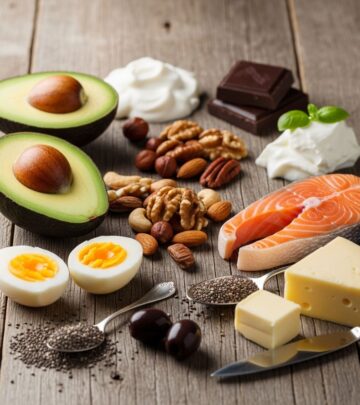
Avocados, nuts, olive oil, and fatty fish deliver monounsaturated and omega-3 fats that fight inflammation, support heart health, and aid nutrient absorption. A Mediterranean diet rich in these outperforms low-fat plans for weight loss and longevity, per New England Journal of Medicine trials.
Calories matter, but fat’s density (9 kcal/g) doesn’t inherently cause gain—overconsumption does. Low-fat products often compensate with sugar, spiking insulin and hunger. Opt for whole-fat dairy, which studies link to lower obesity risk.
Incorporate fats mindfully: Drizzle olive oil on salads, snack on almonds, add salmon weekly. This rule-break enhances meals, stabilizes blood sugar, and curbs cravings, leading to sustainable weight control.
5. No Pain, No Gain
Gym lore pushes pushing through pain for results. Wrong: Pain signals injury risk; smart training builds strength without harm.
Exercise science favors progressive overload—increasing intensity gradually—over brutality. American College of Sports Medicine guidelines stress recovery, form, and enjoyment for adherence. Chronic pain leads to burnout or injury, derailing progress.
Distinguish good burn (muscle fatigue) from bad pain (sharp, joint-focused). Incorporate rest days, yoga, and mobility work. HIIT and strength sessions yield gains with less volume than endless grind.
Reframe workouts: Aim for consistency over intensity. Beginners thrive on walking or bodyweight moves. Breaking this maxim maximizes longevity in fitness, preventing the 80% dropout rate in new exercisers.
6. Carbs Are the Enemy
Atkins and keto demonized carbs, but quality matters. Whole grains, fruits, and veggies provide vital fiber, vitamins, and sustained energy—not the villains refined versions are.
Harvard’s Nurses’ Health Study shows whole-grain eaters have lower diabetes and heart risk. Carbs fuel brain and muscles; low intake causes fatigue. Balance with proteins and fats prevents spikes.
Choose oats, quinoa, sweet potatoes over white bread. Athletes need 45-65% calories from carbs per dietary guidelines. Ditching this myth restores energy, supports gut health via fiber, and simplifies eating.
Frequently Asked Questions (FAQs)
Q: Is it really safe to swim after eating?
A: Yes, for most people. Focus on swimming ability and supervision rather than meal timing.
Q: How many eggs can I eat daily?
A: Up to one or two for healthy adults, per heart health experts. Monitor if you have high cholesterol.
Q: What if I’m thirsty but hate plain water?
A: Infuse with fruit, drink tea, or eat hydrating foods. Thirst guides better than rules.
Q: Are all fats healthy?
A: Prioritize unsaturated from plants and fish; limit trans and excess saturated.
Q: How do I know if workout pain is bad?
A: Sharp, persistent, or joint pain means stop. Muscle soreness is normal 24-48 hours post-exercise.
Why Break These Rules?
These myths persist from outdated studies or oversimplifications. Modern evidence—from RCTs to meta-analyses—favors nuance. Breaking them empowers intuitive, joyful health practices. Consult doctors for personal advice, especially with conditions.
References
- Swimming After Eating: Myth or Fact? — American Red Cross. 2023-05-15. https://www.redcross.org/take-a-class/swimming/swim-safety/myths
- Dietary Cholesterol and Cardiovascular Risk — American Heart Association. 2024-01-10. https://www.ahajournals.org/doi/10.1161/CIR.0000000000000743
- Dietary Reference Intakes for Water — National Academies of Sciences, Engineering, and Medicine. 2005-02-11 (authoritative standard). https://nap.nationalacademies.org/catalog/10925/dietary-reference-intakes-for-water-potassium-sodium-chloride-and-sulfate
- Mediterranean Diet and Health Outcomes — New England Journal of Medicine. 2018-06-21. https://www.nejm.org/doi/full/10.1056/NEJMoa1800389
- Exercise Guidelines — American College of Sports Medicine. 2024-03-20. https://www.acsm.org/education-resources/trending-topics-resources/physical-activity-guidelines
- Carbohydrates and Chronic Disease — Harvard T.H. Chan School of Public Health. 2023-11-05. https://www.hsph.harvard.edu/nutritionsource/carbohydrates/
Similar Articles








Read full bio of medha deb