6 Cleaning Rules You Should Be Breaking For Faster Results
Ditch outdated cleaning advice: Discover six counterintuitive rules to clean smarter, faster, and with less effort every day.
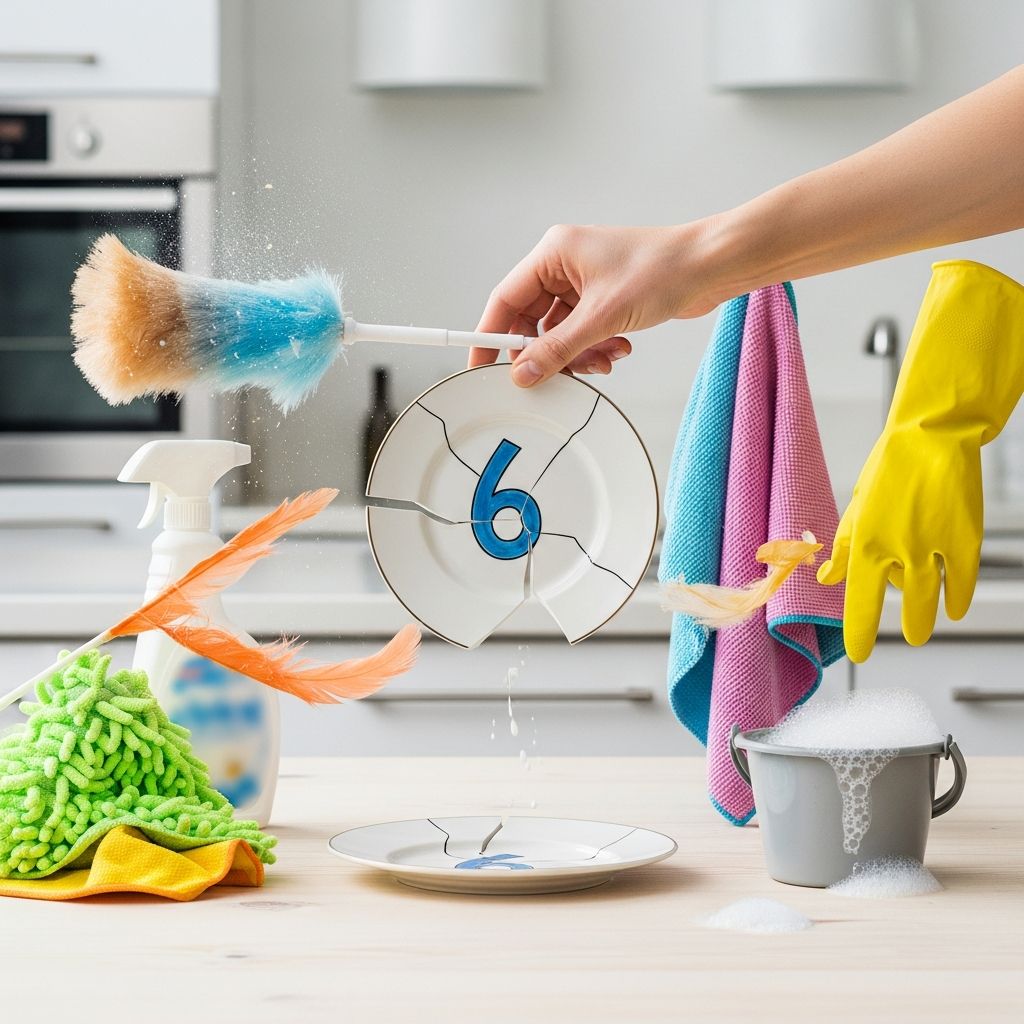
We’ve all heard the standard cleaning rules passed down through generations or gleaned from glossy magazines: scrub every surface daily, use harsh chemicals for sparkle, and maintain a rigid schedule. But what if some of these so-called rules are actually holding you back from a truly clean, low-maintenance home? This article challenges six common cleaning commandments, revealing why breaking them can lead to faster, more effective results. Drawing from professional cleaning techniques and practical household wisdom, you’ll learn to work smarter, not harder.
These insights flip traditional advice on its head, emphasizing efficiency, minimalism, and gravity-assisted methods. Whether you’re tired of endless scrubbing or seeking sustainable habits, breaking these rules will transform your routine. Let’s dive into the myths and the better alternatives.
1. Always Clean Top to Bottom? Actually, Do It Every Time
The old adage to clean from top to bottom is often treated as optional, but it’s a non-negotiable rule you shouldn’t break—in fact, make it unbreakable. Dust and debris naturally fall downward due to gravity, so starting at the ceiling or high shelves ensures dirt lands on uncleaned lower surfaces, preventing re-cleaning. Professionals in hotels and cleaning services swear by this method because it saves time and effort.
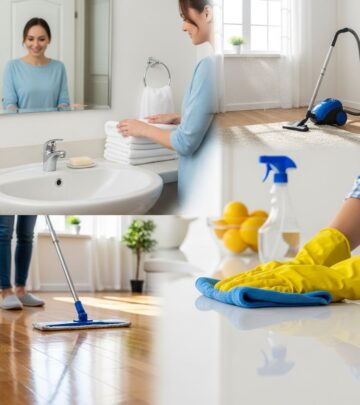
Apply it everywhere: When tackling a kitchen counter, wipe shelves and cabinets first, letting crumbs cascade to the floor for a single sweep. For bathrooms, dust the fan vents, light fixtures, and mirror tops before scrubbing the sink. Even small tasks benefit—clean the upper rim of a glass before the base. This approach lets physics do half the work, reducing streaks and double-dipping into cleaners.
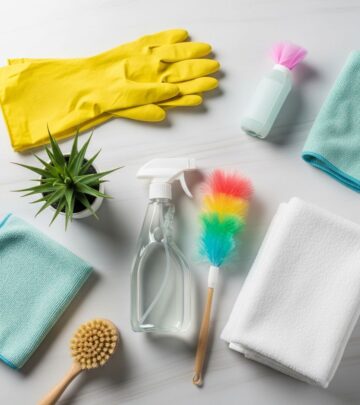
- Pro Tip: Use a microfiber duster for tops, followed by a vacuum with hose attachment for mid-levels, then wet wipes for bottoms.
- Time Saver: Cuts cleaning sessions by 20-30% by avoiding rework.
Skipping this leads to common frustrations like gritty residues or muddy floors after mopping. Embrace top-to-bottom religiously for sparkling results without the hassle.
2. Wet Cleaners First? No, Dry Before Wet Always
Many grab the spray bottle immediately, but this rule demands breaking: never wet before dry. Spraying surfaces with loose dust creates mud, streaks, and endless wiping—think gritty counters or streaky windows. Dry methods first remove bulk debris, allowing wet cleaners to shine without resistance.
In practice, dust shelves, sweep crumbs off counters into a pile on the floor, then vacuum before mopping. For bathrooms, tackle baseboards and toilet tanks dry, then apply spray. Kitchens benefit hugely: brush away pet hair or flour first to avoid smearing. Floors exemplify this—vacuum thoroughly before wet mopping to prevent dragging dirt.
| Surface | Dry Step First | Wet Step After |
|---|---|---|
| Kitchen Counter | Sweep crumbs to floor | Spray and wipe |
| Bathroom Sink | Dust faucet and shelves | Apply cleaner and scrub |
| Floors | Vacuum or sweep | Mop with solution |
This sequence prevents the ‘gritty cloth’ feel and conserves paper towels or rags. Reusable cloths rinsed in hot water amplify savings, aligning with eco-friendly practices.
3. Wait for Big Messes? Clean Hot Spots Daily in Seconds
The rule to deep clean only when things look disastrous? Break it. Micro-cleaning hot spots—high-traffic areas like sinks, entryways, and tables—for 30-60 seconds daily prevents buildup and overwhelming sessions. After brushing teeth, swipe the sink with a damp cloth; it’s sparkling in moments. Vacuum high-traffic paths twice weekly instead of monthly marathons.
This habit, favored by pros, maintains a consistently tidy home without dedicated ‘cleaning days.’ Laundry every few days keeps piles at bay; spot-vacuuming curbs dust bunnies. Result? Your space feels fresh perpetually, reducing stress and total effort.
- Sink after use: Wipe with toothpaste residue or quick spray.
- Floors: 2-minute vacuum of hotspots.
- Counters: Daily crumb sweep before meals.
Psychology plays in: Small wins build momentum, making larger tasks rarer and easier.
4. Deep Clean Weekly? Spread It Out Strategically
Rigid weekly deep cleans exhaust most households. Break this by rotating tasks: daily tidying and kitchen focus, every other day vacuuming/laundry, weekly bathrooms, monthly windows and furniture. This distributes effort, preventing burnout while keeping standards high.
Sample schedule:
- Daily: Kitchen scrub, living areas tidy, junk mail purge.
- Every 2-3 Days: Floors, laundry.
- Weekly: Bathrooms, trash.
- Monthly: Deep dust, windows.
Adapt to your life—busy parents might cluster evenings. Moving furniture quarterly uncovers hidden grime, ensuring thoroughness without daily overload.
5. Hoard for Later Cleaning? Declutter Ruthlessly Now
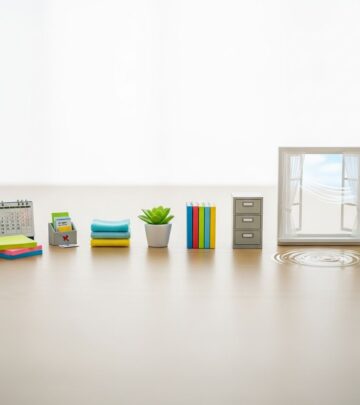
‘Less stuff equals less cleaning’ is the rule to live by, breaking the packrat myth. Excess items breed dust, complicate surfaces, and multiply tasks. A minimalist shelf cleans in half the time versus cluttered chaos.
Start small: Donate unused gadgets, rotate seasonal decor, purge expired pantry items. Pros note homes with fewer belongings require 50% less maintenance. Invest in multi-use tools like a versatile vacuum over specialized dusters.
Benefits extend beyond cleaning: Reduced visual clutter lowers stress, per environmental psychology studies. Aim for ‘sparkling simplicity’—if it doesn’t spark joy or utility, out it goes.
6. Rely Solely on Store-Bought Cleaners? Hack Household Staples
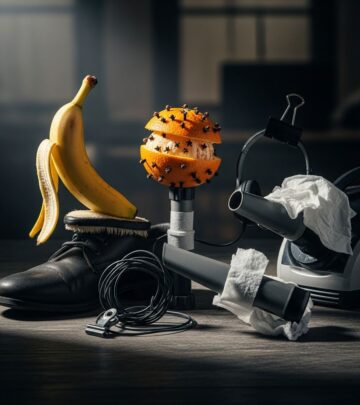
The rule mandating fancy products? Utterly breakable. Vinegar, baking soda, and lemons rival pros at a fraction of cost. Mix 1:1 vinegar-water for counters; baking soda paste tackles tubs. Shaving cream scrubs tiles; olive oil-lemon polishes wood.
- Vinegar + hot water: Wallpaper adhesive remover.
- Lemon oil: Grimy tub textures.
- Shower curtains: Machine wash with bleach.
These non-toxic hacks are safe, effective, and greener. Test patches first, but they outperform many chemicals without fumes.
Frequently Asked Questions (FAQs)
Q: Won’t breaking these rules make my home dirtier?
A: No—these flips enhance efficiency. Top-to-bottom and dry-first prevent re-dirtying; micro-cleans keep buildup minimal.
Q: How do I start decluttering without overwhelm?
A: Use the 12-12-12 method: Toss 12 items, donate 12, relocate 12 daily for quick wins.
Q: Are natural cleaners safe for all surfaces?
A: Generally yes, but test vinegar on stone (dilute); baking soda on aluminum. Always spot-test.
Q: What’s the best tool for top-to-bottom cleaning?
A: Extendable microfiber duster for highs, followed by shop vac for versatile pickup.
Q: How often should I deep clean hidden areas?
A: Quarterly—move furniture, lift rugs for comprehensive refresh.
Bonus: Pro-Level Hacks for Effortless Maintenance
Combine rules: Dry dust top-to-bottom, micro-clean hotspots, declutter seasonally. Track progress with a simple app or checklist. Sustainable cloths beat disposables, saving money long-term. Your home will gleam with half the sweat.
References
- 6 Cleaning Rules That Will Make Your Life SO Much Easier — YouTube (Professional Cleaning Tips Video). 2023. https://www.youtube.com/watch?v=1bMYHYmkQC4
- Get Your Home Cleaner Than a Pro Can — And Save Big — Wise Bread. Accessed 2026. https://www.wisebread.com/get-your-home-cleaner-than-a-pro-can-and-save-big
- Give Household Products New Use: Clever Cleaning Tips — Wise Bread. Accessed 2026. https://www.wisebread.com/give-household-products-new-use-clever-cleaning-tips-from-the-motherland
- Cleaning Protocols for Household Surfaces — Centers for Disease Control and Prevention (CDC). 2024-10-15. https://www.cdc.gov/hygiene/cleaning/household-cleaning.html
- Household Cleaning with Common Ingredients — U.S. Environmental Protection Agency (EPA). 2023-05-20. https://www.epa.gov/saferchoice/safer-household-cleaning-products
Similar Articles








Read full bio of Sneha Tete