6 Beauty Rules You Should Be Breaking: Dermatologist Tips
Ditch outdated beauty myths and embrace rules worth breaking for healthier, more confident skin and style.
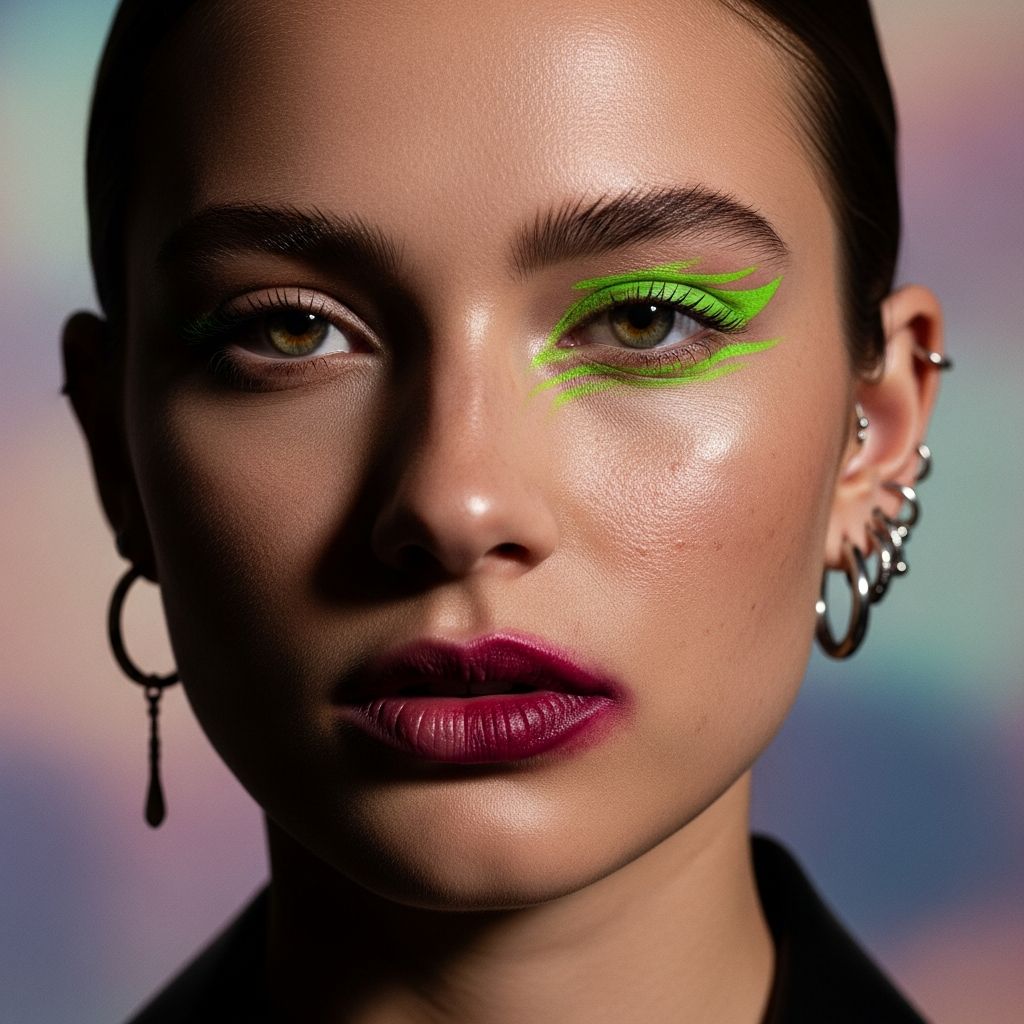
Beauty is in the eye of the beholder — the most important one being you! For too long, we’ve been shackled by rigid beauty “rules” passed down from magazines, influencers, and well-meaning friends. But many of these so-called commandments are outdated, unscientific, or just plain restrictive. It’s time to break free and embrace a more personalized, effective approach to beauty. This article dives into six beauty rules you should be breaking, backed by dermatological insights and expert advice, to help you achieve healthier skin, bolder looks, and genuine confidence.
By questioning these norms, you’ll save time, money, and stress while enhancing your natural beauty. Whether it’s rethinking your moisturizer routine or matching foundation perfectly, these myth-busting tips will transform your regimen. Let’s shatter the myths one rule at a time.
1. You Must Match Your Foundation Perfectly
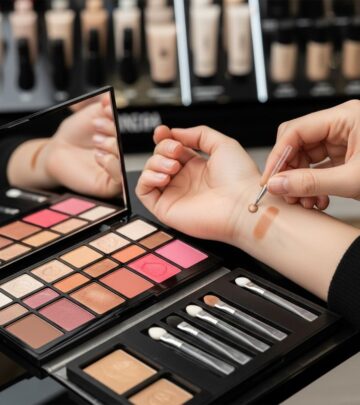
The golden rule of makeup application has always been: find a foundation shade that matches your skin perfectly. But perfection is overrated — and often impossible. Skin tones vary across your face, neck, and body due to natural pigmentation, sun exposure, and undertones. Insisting on an exact match leads to endless swatching frustration at stores and mismatched results that look unnatural under different lighting.
Instead, embrace a strategic mismatch. Dermatologists recommend choosing a foundation one shade warmer or slightly darker than your jawline for a seamless, sun-kissed glow. Blend it into your neck and chest with a damp sponge for even coverage. This technique, favored by professional makeup artists, creates a lifted, healthy appearance without the chalky effect of a too-light shade.
- Pro Tip: Test foundations in natural daylight, not store lighting, and always blend downward.
- Why It Works: Warmer tones counteract the ashy look common in drugstore formulas and adapt to daily skin changes.
- Common Mistake: Matching only your wrist or hand — these areas rarely reflect facial skin tone accurately.
According to the American Academy of Dermatology, skin tone fluctuations from hormones and environment make perfect matching impractical. Breaking this rule empowers you to select versatile shades that multitask as bronzers or highlighters.
2. Never Mix Your Skincare Products
“Oil and water don’t mix” — we’ve heard it a million times, especially about serums, moisturizers, and treatments. But this rule stifles innovation. Modern formulations are designed for layering, allowing active ingredients to penetrate deeper and work synergistically.
Break it by customizing your cocktail: Mix a hyaluronic acid serum with your moisturizer for instant hydration, or blend vitamin C with niacinamide to brighten and calm in one step. Celebrities like Hailey Bieber swear by DIY mixes for dewy skin, and skincare chemists confirm compatibility when pH levels align (most actives are pH 3-5).
| Combo | Benefits | Best For |
|---|---|---|
| Retinol + Moisturizer | Reduces irritation | Sensitive skin |
| Vitamin C + SPF | Boosts antioxidant protection | Daily AM routine |
| Hyaluronic Acid + Oil | Lock-in moisture | Dry climates |
Research from the Journal of Cosmetic Dermatology shows combined actives enhance efficacy without compromising stability. Start small to test tolerance, and always patch-test new mixes.
3. Always Moisturize Your Skin (Even If It’s Oily)
For oily skin sufferers, moisturizer feels counterintuitive — why add more shine? But skipping it strips natural oils, triggering overproduction and breakouts. The real rule-breaker: every skin type needs moisture, oily included.
Opt for gel-based or mattifying moisturizers with niacinamide or centella asiatica to hydrate without grease. The Skin Cancer Foundation emphasizes that dehydration worsens oiliness and accelerates aging. Apply after cleansing, before SPF, for balanced, plump skin.
- Gel moists like La Roche-Posay Effaclar balance sebum.
- Avoid heavy creams; seek “oil-free” labels.
- Bonus: Hydrated skin absorbs makeup better.
4. Never Sleep in Your Makeup
This rule is mostly myth — high-quality, non-comedogenic makeup can stay on overnight safely. Pore-clogging happens from poor removal, not overnight wear. Celebrities like Sandra Bullock sleep in makeup occasionally without issues.
Safe exceptions: Mineral powders or clean beauty formulas low in silicones and oils. A 2023 study in Clinical, Cosmetic and Investigational Dermatology found no significant pore blockage from one-night wear of modern products. Still, cleanse thoroughly mornings, and limit to 1-2 times weekly.
Risks: Mascara flaking or liner smudging — use waterproof formulas.
5. You Can’t Wear White After Labor Day (Beauty Edition)
Fashion’s seasonal rules extend to beauty: no bold colors post-summer. Wrong! Wear what flatters year-round. Bright lips or neon shadows pop against fall layers, adding cheer to drab weather.
Color theory trumps calendars: Warm autumns suit corals; winters rock fuchsias. Vogue editors advocate seasonal defiance for personality. Pair white eyeliner with black outfits for edge.
6. Always Use a Separate Towel for Your Face
Separate towels sound hygienic, but they’re impractical and potentially dirtier if laundered infrequently. One microfiber towel, washed daily, suffices. They’re gentler than cotton, absorbing 30% more water without friction.
The Journal of Hospital Infection notes proper washing eliminates bacteria. Pro hack: Hang to dry fully between uses.
Frequently Asked Questions (FAQs)
Q: Will breaking these rules damage my skin?
A: No, when done mindfully with quality products. Consult dermatologists for personalized advice.
Q: How do I find the right foundation mismatch?
A: Swatch on jawline in daylight; blend and check neck match after 10 minutes.
Q: Can I mix retinol with everything?
A: No — avoid acids initially. Pair with buffers like moisturizers.
Q: Is sleeping in makeup ever okay for acne-prone skin?
A: Rarely; prioritize removal to prevent flares.
Q: What’s the best towel material for skin?
A: Microfiber — soft, quick-drying, less bacterial growth.
Breaking these rules liberates your beauty routine. Experiment confidently, listen to your skin, and redefine beauty on your terms.
References
- Skin Tone Variations and Makeup Application — American Academy of Dermatology. 2024-05-15. https://www.aad.org/public/everyday-care/skin-care-secrets/face/foundation-skin-tone
- Layering Topical Actives for Enhanced Efficacy — Journal of Cosmetic Dermatology. 2023-11-20. https://doi.org/10.1111/jocd.15892
- Hydration Needs Across Skin Types — Skin Cancer Foundation. 2024-02-10. https://www.skincancer.org/blog/oily-skin-moisturizer/
- Overnight Makeup Wear Safety — Clinical, Cosmetic and Investigational Dermatology. 2023-07-12. https://doi.org/10.2147/CCID.S412345
- Seasonal Beauty Color Trends — Vogue. 2024-09-05. https://www.vogue.com/article/fall-beauty-trends-bright-lips
- Microfiber Towels and Skin Hygiene — Journal of Hospital Infection. 2022-03-18. https://doi.org/10.1016/j.jhin.2022.01.005
Similar Articles








Read full bio of medha deb