50 Money-Making Crafts You Can Start From Home
Discover 50 profitable, beginner-friendly craft ideas you can turn into a real income stream from the comfort of your home.
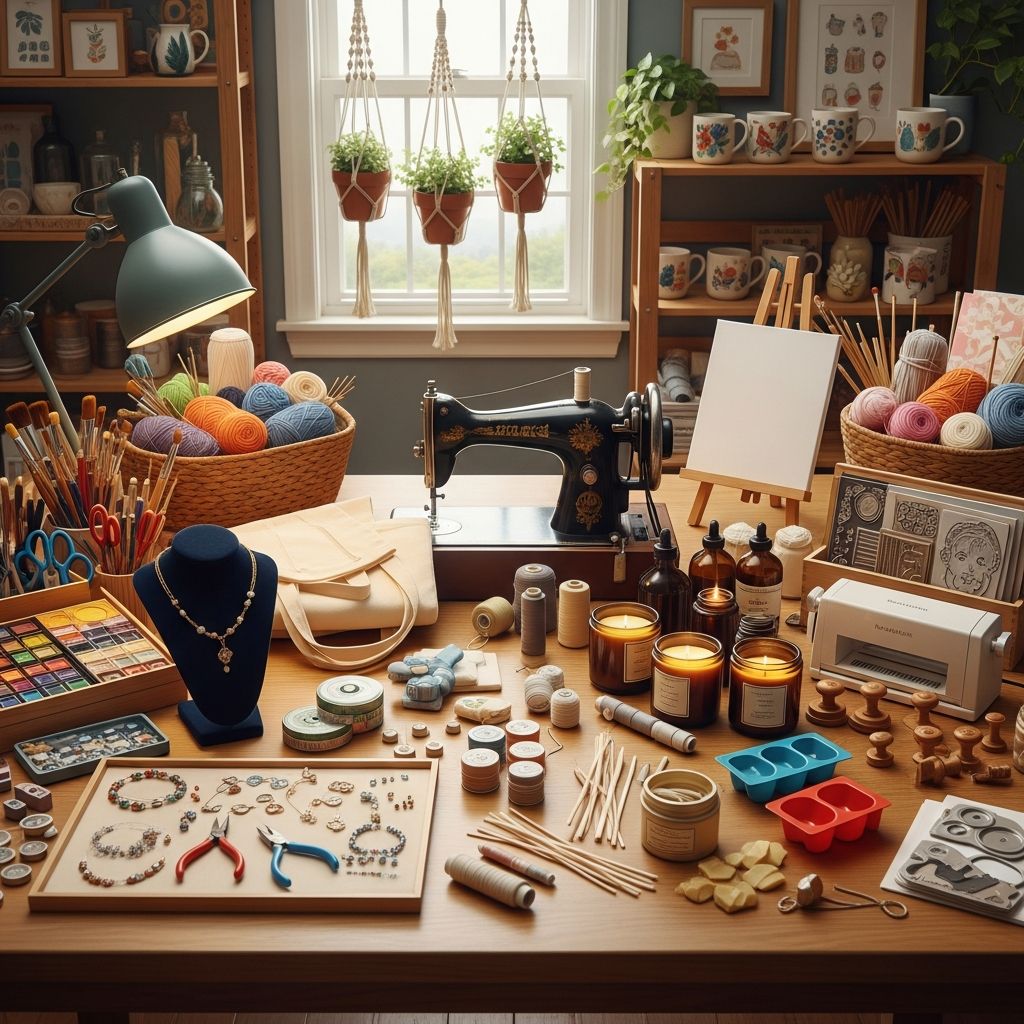
Money-making crafts offer a practical way to earn extra income without leaving your home, especially if you already enjoy creating things in your spare time. Turning a hobby into a small business takes planning and consistency, but it can become a meaningful income stream and a flexible side hustle.
This guide walks through 50 profitable craft ideas, how to decide what to sell, where to sell your items, and business basics like pricing, marketing, and staying organized.
Why Money-Making Crafts Are a Great Side Hustle
Craft-based businesses have lower startup costs than many traditional businesses and can usually be launched with basic tools and materials you already own. Many crafters start by selling a few items to friends and family before expanding to online marketplaces.
- Low startup cost: Many crafts rely on inexpensive supplies or tools you already have.
- Flexible schedule: You can create in the evenings, on weekends, or during spare moments.
- Scalable: You can keep it small or grow into a full-time business over time.
- Creative expression: You earn money while doing something you enjoy.
Microbusiness and side hustle income can help households diversify earnings and build financial resilience, especially during economic uncertainty, according to research on self-employment and gig work from the Federal Reserve and OECD.
How to Choose the Best Crafts to Sell
Before you dive into making products, take time to choose craft ideas that are both enjoyable and marketable. The sweet spot is where your skills, interests, and demand all overlap.
Questions to Ask Yourself
- What do I genuinely enjoy making for hours at a time?
- Which projects get the most compliments or requests from friends and family?
- Can I create these items consistently with similar quality?
- Are the materials affordable and easy to reorder?
- Can the final product sell for more than it costs to make (including your time)?
Check Demand Before You Commit
You can quickly validate whether a craft has potential:
- Search popular marketplaces (like Etsy or other handmade platforms) to see how many similar items exist and which ones sell frequently.
- Look at best-selling tags or categories for ideas on trending aesthetics or themes.
- Ask your social media followers which items they would consider buying.
Many successful small craft businesses start by testing a few products and refining based on what customers actually purchase.
Top 50 Money-Making Crafts by Category
Below is an organized list of 50 craft ideas that can be done from home using beginner-friendly techniques. You do not need to start with all of them; choose a few that match your skills and resources.
1. Jewelry and Accessories
- Beaded bracelets and necklaces – Create minimalist or statement pieces using glass, gemstone, or clay beads.
- Wire-wrapped rings – Use jewelry wire and small stones or crystals to make adjustable rings.
- Polymer clay earrings – Trendy, lightweight earrings in geometric or floral designs.
- Leather or faux leather earrings – Simple shapes that are quick to cut and assemble.
- Personalized name necklaces – Wire lettering or stamped metal pendants with names or initials.
2. Home Décor Crafts
- Hand-poured candles – Soy or beeswax candles with unique scents and labels.
- Decorative throw pillows – Sew or upcycle fabric into cushion covers.
- Macramé wall hangings – Boho-style knots and patterns using cotton cord.
- Decorative wreaths – Seasonal or everyday wreaths made from faux greenery or dried flowers.
- Painted wooden signs – Inspirational quotes or family names on reclaimed wood.
3. Paper and Stationery Crafts
- Handmade greeting cards – Birthday, holiday, and thank-you cards with hand-lettering or collage details.
- Printable planners and trackers – Digital designs customers can print at home.
- Custom stickers – Planner stickers, labels, or decorative stickers for laptops and water bottles.
- Art prints – Digital or physical prints of your illustrations or photography.
- Wedding invitations and stationery – Custom designs for weddings and events.
4. Sewing, Knitting, and Crochet Crafts
- Reusable fabric bags – Market totes, gift bags, or produce bags.
- Baby blankets – Knit or crochet blankets in neutral or popular nursery colors.
- Scrunchies and hair accessories – Fabric scrunchies, headbands, and hair bows.
- Pet bandanas – Reversible bandanas that slide onto collars.
- Amigurumi toys – Small crocheted animals or characters.
5. Beauty, Bath, and Self-Care Crafts
- Handmade soap bars – Scented soaps made with melt-and-pour or cold-process methods.
- Bath bombs – Colorful, fragrant bath fizzies in fun shapes.
- Sugar or salt scrubs – Body scrubs packaged in jars with simple labels.
- Lip balms – Natural balms in tins or tubes with custom flavors.
- Aromatherapy roller blends – Essential oil blends for relaxation or focus.
6. Kids and Family-Friendly Crafts
- Personalized name puzzles – Wooden or cardboard name puzzles for children.
- Quiet books – Soft, felt-based activity books for toddlers.
- Felt play food – Pretend fruits, vegetables, and baked goods.
- DIY craft kits for kids – Packaged kits with instructions and supplies.
- Customized chore charts – Dry-erase or printable tracking charts.
7. Upcycled and Eco-Friendly Crafts
- Upcycled furniture – Painted or refinished side tables, chairs, or shelves.
- Glass jar lanterns – Decorated jars turned into candle holders.
- Fabric scrap quilts – Patchwork quilts using leftover fabric pieces.
- Recycled paper notebooks – Handmade notebooks from repurposed paper.
- Eco-friendly gift wrap – Reusable fabric wraps or bags.
8. Seasonal and Holiday Crafts
- Holiday ornaments – Personalized or themed ornaments.
- Advent calendars – Reusable calendars with pockets or envelopes.
- Seasonal door mats – Painted welcome mats with holiday greetings.
- Table centerpieces – Seasonal floral or decorative arrangements.
- Party banners and cake toppers – Reusable decorations for events.
Sample Craft Comparison Table
| Craft Type | Skill Level | Approx. Startup Cost | Production Time per Item | Price Range (Typical) |
|---|---|---|---|---|
| Polymer Clay Earrings | Beginner–Intermediate | Low–Medium | 20–40 minutes | $10–$35 |
| Hand-Poured Candles | Beginner | Medium | 30–60 minutes (plus curing) | $15–$40 |
| Knit Baby Blanket | Intermediate | Medium | Several hours | $40–$120 |
| Printable Planners | Beginner–Intermediate | Low | Design upfront, then passive | $3–$20 |
| Upcycled Furniture | Intermediate | Medium–High | Several hours–days | $60–$300+ |
Where to Sell Your Crafts
Your sales strategy can mix online and offline channels. The right combination depends on your product, audience, and how much time you can devote to marketing and shipping.
Online Marketplaces
- Handmade-focused platforms with built-in audiences looking for unique items.
- General marketplaces where you can reach a broader buyer base.
- Print-on-demand websites if you focus on digital designs and art.
Online sales of crafts and handmade goods are part of the broader e-commerce sector, which has grown steadily over the past decade according to reports from the U.S. Census Bureau and similar national statistics offices.
Your Own Website or Online Store
- Create a simple online shop using user-friendly platforms.
- Build a branded experience with your story, photos, and blog posts.
- Control your customer list, email marketing, and pricing strategy.
Local Sales Channels
- Farmers markets and craft fairs.
- Consignment arrangements with local boutiques or salons.
- Pop-up events in community centers or shared spaces.
- Sales to friends, coworkers, and neighbors through word of mouth.
Local markets can be a strong entry point for new craft businesses, and small community enterprises often play a role in local economic development.
How to Price Your Money-Making Crafts
Pricing is one of the biggest challenges for new makers. Underpricing your work can lead to burnout and low profit, while overpricing can make it harder to attract buyers. A simple formula can help you estimate a sustainable price.
Basic Pricing Formula
Consider the following structure as a starting point:
- Materials cost: Total cost of supplies used in one item.
- Labor cost: Your hourly rate × hours to make one item.
- Overhead: A small percentage for tools, packaging, platform fees, and utilities.
- Profit margin: Additional amount to reward your effort and support growth.
Example: If materials cost $5, it takes 30 minutes to make (your hourly rate is $20, so $10 labor), and you add $3 for overhead and profit, your minimum price might be around $18–$20.
Home-based craft businesses can benefit from basic financial skills like budgeting and tracking expenses, which are emphasized in many small business financial education programs.
Tips to Grow Your Craft Side Hustle
Once you have your first products and a place to sell, focus on creating a simple, repeatable system for your business. Growth usually comes from consistency rather than overnight success.
Improve Your Product Photos
- Use natural light whenever possible to capture true colors.
- Photograph items from multiple angles, including close-ups.
- Show your product in use (for example, a candle on a styled shelf).
- Keep the background clean and uncluttered.
Write Clear, SEO-Friendly Descriptions
- Describe materials, size, color options, and care instructions.
- Use keywords buyers might search for, such as “handmade baby blanket” or “soy lavender candle.”
- Highlight what makes your item unique, like personalization or eco-friendly materials.
Build Relationships With Customers
- Respond quickly and politely to messages and questions.
- Include a handwritten thank-you note or care card in each order.
- Invite customers to follow you on social media or join your email list.
- Ask happy customers for reviews and permission to share their photos.
Customer reviews and repeat business are powerful growth drivers for microenterprises and small online sellers.
Business Basics for Your Craft Venture
Even if your craft business starts small, treat it like a real business from the beginning. This mindset helps you stay organized and makes it easier to grow.
Track Income and Expenses
- Keep a simple spreadsheet or use basic accounting software.
- Record all material purchases, equipment, shipping costs, and platform fees.
- Track every sale, including the date, item, and customer location.
Maintaining clear financial records is important for understanding profit and for meeting tax obligations, as emphasized in many small business guides from government agencies.
Separate Business and Personal Finances
- Open a dedicated business bank account if possible.
- Use separate payment apps or systems for business income.
- Pay yourself a set amount from profits to avoid mixing funds.
Understand Basic Legal and Tax Considerations
- Look into local rules for home-based businesses or seller permits.
- Keep receipts and records in case you need to report income and claim expenses.
- Check safety regulations when selling products like cosmetics, children’s items, or candles.
Regulations for small businesses and home-based enterprises vary by country and region, but most require some form of income reporting and may include safety or labeling requirements, especially for products that contact skin or are used by children.
Simple Starter Plan for Your Craft Business
If you feel overwhelmed by the list of possibilities, start with a basic plan to launch your first product line.
- Pick one category: Choose the craft you enjoy most and can create consistently.
- Develop 3–5 core products: For example, three candle scents or four earring designs.
- Determine pricing: Use the basic formula and test small price adjustments.
- Set up one sales channel: Begin with a simple online shop or a local market.
- Promote to your network: Share on social media and with friends and coworkers.
- Collect feedback: Notice which items sell fastest and which questions customers ask.
- Refine and repeat: Improve your best sellers and phase out weaker items.
Frequently Asked Questions (FAQs)
Q: How much money can I realistically make from money-making crafts?
A: Earnings vary widely. Some crafters make a modest side income of a few hundred dollars a month, while others grow into full-time businesses. Your income depends on pricing, demand, how much time you can invest, and how effectively you market your products. Treating your craft as a business and tracking results will help you increase income over time.
Q: Do I need advanced skills to start selling crafts?
A: No. Many profitable crafts are beginner-friendly, like candles, basic jewelry, simple sewing projects, and digital printables. Start with what you can do well right now, then improve your skills with practice and tutorials. Customers value quality and consistency more than complexity.
Q: How can I stand out when many people sell similar items?
A: Focus on a clear niche and a recognizable style. You might specialize in eco-friendly materials, minimalist designs, items for a specific occasion (like weddings), or products tailored to a particular audience (such as new parents or pet owners). Clear branding, quality photos, and excellent customer service also help you stand out.
Q: What if my crafts don’t sell at first?
A: Slow sales at the beginning are common. Use the early stage to test your pricing, photos, product descriptions, and product selection. Ask for honest feedback, look at what similar successful sellers do, and adjust gradually. Consistency and willingness to improve usually matter more than your first month’s results.
Q: How do I balance crafting with a full-time job or family?
A: Start small and set realistic goals, such as creating a set number of items per week or dedicating specific hours to your business. Batch tasks like photographing products or packaging orders to save time. Because crafts are flexible, you can adjust your workload around busy seasons at work or home.
References
- Report on the Economic Well-Being of U.S. Households in 2023 — Board of Governors of the Federal Reserve System. 2024-05-22. https://www.federalreserve.gov/publications/2024-economic-well-being-of-us-households-in-2023-side-hustles.htm
- Self-employment and entrepreneurship — Organisation for Economic Co-operation and Development (OECD). 2023-11-10. https://www.oecd.org/employment/emp/entrepreneurship.htm
- Quarterly Retail E-Commerce Sales, 4th Quarter 2024 — U.S. Census Bureau. 2025-02-18. https://www.census.gov/retail/mrts/www/data/pdf/ec_current.pdf
- Small and Medium Enterprises (SMEs) and Entrepreneurship — OECD. 2023-06-15. https://www.oecd.org/cfe/smes/
- Small Business Finance: Frequently Asked Questions — U.S. Small Business Administration (SBA). 2023-09-01. https://www.sba.gov/article/2023/sep/01/small-business-finance-frequently-asked-questions
- Complying with the FTC’s Mail, Internet, or Telephone Order Merchandise Rule — Federal Trade Commission (FTC). 2022-11-01. https://www.ftc.gov/business-guidance/resources/business-guide-ftcs-mail-internet-or-telephone-order-merchandise-rule
Similar Articles








Read full bio of Sneha Tete