5-Year Plan To Buy Your Dream Home: Step-By-Step Guide
Transform your finances over five years to secure homeownership with confidence and smart strategies.
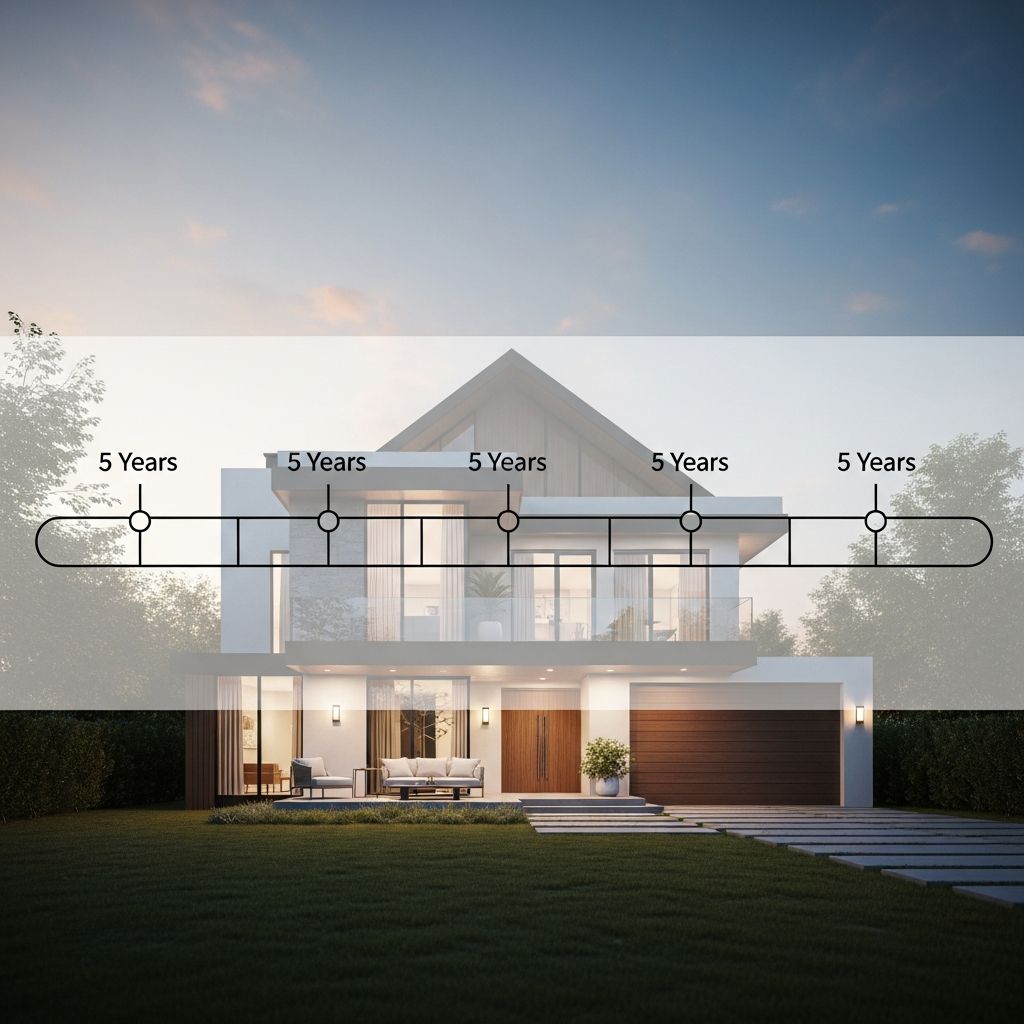
Owning a home represents a major financial milestone that demands thoughtful preparation, especially when targeting a five-year horizon. This comprehensive guide outlines actionable steps to strengthen your financial foundation, ensuring you’re ready to make a confident purchase when the time comes. By focusing on credit improvement, disciplined saving, debt reduction, and market awareness, you can position yourself advantageously in a competitive housing landscape.
Assess Your Current Financial Landscape
Begin your journey by conducting a thorough review of your finances. Calculate your net worth by subtracting total liabilities from total assets, including savings, investments, retirement accounts, and property values. Track monthly income against expenses to identify surplus funds available for home-related goals. This baseline assessment reveals strengths and gaps, such as high-interest debt or insufficient emergency reserves.
- Gather key documents: Recent pay stubs, tax returns, bank statements, and investment summaries.
- Review debt-to-income ratio (DTI): Aim for under 36% for optimal mortgage eligibility; lenders prefer this threshold to ensure repayment capacity.
- Build an emergency fund: Target 3-6 months of living expenses to safeguard against unexpected setbacks.
Revisit this evaluation annually to measure progress and adapt to life changes like job shifts or family expansions. Consistent tracking fosters accountability and momentum toward homeownership.
Year 1: Strengthen Your Credit Profile
A robust credit score unlocks favorable mortgage rates and larger loan amounts. Scores above 740 typically secure the best terms, potentially saving thousands over the loan life. Start by obtaining free credit reports from major bureaus to dispute inaccuracies.
| Credit Score Range | Average Mortgage Rate (2025) | Monthly Payment Savings (on $300K loan) |
|---|---|---|
| 760+ | 6.2% | Baseline |
| 700-759 | 6.5% | -$45 |
| 660-699 | 7.0% | -$120 |
Implement habits to elevate your score: Pay bills on time (35% of score impact), reduce credit utilization below 30% (30% impact), and avoid new inquiries. Consider secured cards if rebuilding from a low base. According to Federal Reserve data, consistent positive behavior can boost scores by 100+ points within 12 months.
Year 2: Launch Aggressive Savings Strategy
Down payments average 6-20% of home price, plus 2-5% for closing costs. For a $400,000 home, prepare $24,000-$80,000 minimum. Open a high-yield savings account dedicated to this goal, automating transfers post-paycheck.
- Set realistic targets: Save 10-15% of income monthly; use calculators to project growth with compound interest.
- Cut non-essentials: Review subscriptions, dining out, and impulse buys—redirect $200/month yields $12,000+ in five years at 4% APY.
- Explore windfalls: Tax refunds, bonuses, or side gigs accelerate accumulation.
Simultaneously, research first-time buyer programs like FHA loans (3.5% down) or state grants, which reduce upfront needs for eligible buyers.
Year 3: Conquer Debt and Optimize Income
High debt burdens inflate DTI, scuttling approvals. Prioritize high-interest debts using the avalanche method: Pay minimums on all, extra toward highest rates. Consolidate via balance transfers if scores allow.
Boost earnings through raises, promotions, or gig economy roles. Document income stability with steady employment history, as lenders scrutinize two-year patterns. Aim to lower DTI below 28% for front-end (housing-only) ratio.
Quick Debt Payoff Tactics
- List debts by interest rate and balance.
- Allocate windfalls strategically.
- Negotiate rates with creditors.
- Track progress quarterly.
Year 4: Master Mortgage Knowledge and Pre-Approval
Demystify loan types: Fixed-rate for stability, ARMs for initial low rates, VA/USDA for zero-down perks. Compare lenders via rates, fees, and reviews—pre-approval (1-3 days) sets your budget and signals seriousness to sellers.
The buying timeline spans 2-3 months: Pre-approval, house hunting (2-8 weeks), offer/inspection (1-2 weeks), closing (30-45 days). Partner with a local realtor versed in your target areas for inventory insights.
Year 5: Refine Search and Execute Purchase
Narrow neighborhoods by commute, schools, and appreciation potential. Attend open houses, prioritize inspections for hidden issues. Budget for post-purchase costs: Maintenance (1% of value/year), taxes, insurance.
Market dynamics fluctuate—monitor inventory and rates. In competitive scenes, waive minor contingencies judiciously, but protect with appraisals (ensuring value matches price).
Frequently Asked Questions
How much should I save yearly for a down payment?
Target 10-20% of target home price, divided over 60 months. Adjust for local medians and programs.
Can I buy with bad credit?
Possible via FHA (min 580), but expect higher rates/PMI. Focus on improvement first.
What’s the ideal DTI for mortgages?
Under 36% total, 28% housing—stricter for conventional loans.
How does location affect my plan?
High-cost areas demand larger savings; research via census data for affordability indices.
Should I buy now or wait five years?
Weigh rates, prices, personal readiness—five years builds equity faster long-term.
Potential Pitfalls and How to Avoid Them
Common errors include lifestyle inflation eroding savings or job changes mid-process. Mitigate with buffers, professional advice, and flexibility. Recent trends show homes lingering 30-60 days, favoring prepared buyers.
Consult financial advisors for personalized tweaks, ensuring alignment with retirement and other goals. This phased approach not only readies you for purchase but cultivates lasting financial discipline.
References
- Consumer Financial Protection Bureau: Mortgage Qualification Basics — CFPB (gov). 2025-01-15. https://www.consumerfinance.gov/owning-a-home/mortgage-options/
- Federal Reserve: Credit Scoring and Mortgages — Federal Reserve Board. 2024-11-20. https://www.federalreserve.gov/publications.htm
- HUD FHA Loan Requirements — U.S. Department of Housing and Urban Development. 2025-02-01. https://www.hud.gov/program_offices/housing/sfh/fha
- Fannie Mae: Debt-to-Income Ratios — Fannie Mae. 2024-12-10. https://singlefamily.fanniemae.com/
- Bankrate: Home Buying Timeline 2025 — Bankrate. 2025-01-05. https://www.bankrate.com/real-estate/how-to-buy-a-house/
Similar Articles








Read full bio of medha deb