5 Ways To Stop Your Mindless Spending And Save More
Discover practical strategies to curb impulse buys, track spending habits, and regain control over your finances for lasting savings.

Mindless spending occurs when purchases happen without deliberate thought, often driven by emotions, habits, or environmental cues, leading to unnecessary expenses that undermine financial goals. This common trap can result in credit card debt, depleted savings, and regret over items rarely used. By adopting mindful practices, individuals can interrupt these patterns and redirect funds toward meaningful priorities like debt reduction or emergency funds.
The average consumer faces constant temptations from online ads, social media influencers, and retail layouts designed to provoke impulse buys. Studies show that such spending contributes significantly to household budgets, with many people unaware of how small, frequent purchases accumulate. Breaking this cycle requires simple, actionable steps that build awareness and friction against hasty decisions.
1. Use Gift Cards for Online Purchases
One of the most effective barriers to online impulse buying is loading your shopping accounts with prepaid gift cards instead of linking credit or debit cards directly. This method introduces friction: you must purchase the gift card first, often in specific denominations, forcing you to decide exact spending limits upfront. For instance, if you buy a $50 gift card for an online retailer, once it’s depleted, shopping stops until you consciously reload it.
This tactic works because it mimics cash spending—finite and tangible—unlike the abstract nature of digital payments. Online platforms with one-click buying remove all barriers, turning browsing into instant purchases. Gift cards counteract this by requiring manual entry or balance checks, giving your brain time to reconsider. Readers report success: one person noted that after switching to gift cards for Amazon, their monthly spending dropped by 40% as they avoided spontaneous add-ons.
- Choose retailers where you shop frequently, like Amazon or Target.
- Buy gift cards in amounts matching your budgeted fun money, such as $25 weekly.
- Avoid auto-reload features to maintain control.
- Track balances via apps to stay aware without overspending.
Expand this to physical stores by using cash envelopes or prepaid debit cards. The psychological shift from ‘unlimited credit’ to ‘limited funds’ is profound, aligning with behavioral economics principles where scarcity prompts restraint. Over time, this habit not only cuts mindless buys but also reveals true shopping needs.
2. Record All of Your Purchases
Tracking every expense, no matter how small, shines a light on spending leaks that go unnoticed in daily life. Use a notebook, spreadsheet, or app to log purchases immediately—date, amount, item, and category. This simple act creates accountability and patterns emerge quickly: perhaps $5 daily coffees total $150 monthly, or grocery add-ons like chips and soda inflate bills by 20%.
Recording combats autopilot spending, common during boredom or stress. U.S. Bank users shared that reviewing transaction logs before new buys provided perspective, often halting frivolous items when seeing recent splurges. Apps like Mint or YNAB (You Need A Budget) automate this but manual entry adds mindfulness, as handwriting reinforces memory.
| Category | Example Purchases | Weekly Total | Potential Savings |
|---|---|---|---|
| Beverages | Coffee, bottled water | $25 | $20 (switch to home brew) |
| Grocery Add-Ons | Snacks, magazines | $15 | $12 (stick to list) |
| Online Impulse | Clothes, gadgets | $40 | $35 (gift card limit) |
| Entertainment | Movies, dining out | $30 | $25 (free alternatives) |
As shown in the table, common mindless categories reveal quick wins. Commit to a 30-day challenge: log everything and review weekly. Many find shock value alone reduces spending by 25-30%, freeing cash for savings.
3. Pay Attention to Context
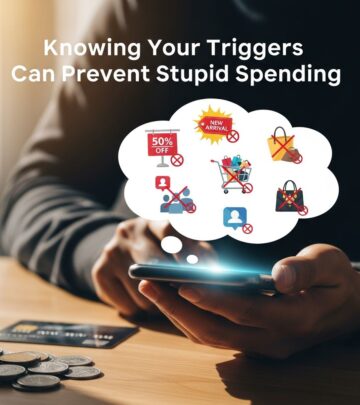
Spending decisions are heavily influenced by surroundings—stress, hunger, or social settings amplify urges. Eating triggers grocery splurges; boredom leads to online scrolling and buys. Awareness of context allows preemptive action: shop after meals, not when tired, and avoid malls as ‘entertainment’.
Stores exploit this with scents, music, and end-cap displays prompting add-ons. Social media worsens it via targeted ads mimicking desires. Tip: before buying, ask, ‘Am I hungry/tired/lonely?’ If yes, address the root need first—walk, call a friend, or eat. Real people report: ‘I shopped hungry and bought extras; now I eat first and save $50 per trip’.
- Shop with a full stomach and list.
- Limit store visits to needs-based, not recreational.
- Unsubscribe from promotional emails reducing temptation exposure.
- During emotional lows, delay purchases 24 hours.
This mindfulness mirrors mindful eating, extending to finances for holistic control.
4. Give Every Dollar a Purpose
Assign a job to each dollar via zero-based budgeting: every cent is allocated to needs, wants, savings, or debt before month-start. This eliminates ‘leftover’ money burned on impulses. For fun spending, set a cash allowance—once gone, stop.
Readers say: ‘I pull cash for fun money weekly; it curbs overspending and builds toward big goals.’ Calculate work hours per purchase: a $20 shirt at $15/hour wage equals 1.5 hours—worth it?. Apps help categorize, but envelopes enforce limits physically.
Purposes might include: 50% needs, 30% wants, 20% savings/debt. Review monthly to adjust, ensuring alignment with goals like vacations or retirement.
5. Give Yourself a Cooling-Off Period
Implement a mandatory wait before non-essential buys. For online carts, leave items 24-48 hours; physical items, wait a week. Often, desire fades, revealing it as whim.
Wishlist tools on sites like Amazon aid this—add and revisit later. Limit shopping sessions to once weekly. Screenshots of ads save for future checks during sales. This pauses emotional spending, common in social media influence.
Combine with bank app checks: view balances, savings goals, and bills pre-purchase for reality.
Frequently Asked Questions (FAQs)
Q: What is mindless spending?
A: Mindless spending is buying without need assessment, often via impulse during boredom, ads, or emotions, leading to regret and debt.
Q: How do gift cards prevent overspending?
A: They limit funds to preloaded amounts, adding purchase friction unlike seamless card payments.
Q: What’s the best way to track expenses?
A: Log daily via app or notebook, categorizing to spot patterns like beverage or add-on waste.
Q: Why does context matter in spending?
A: Environments like hunger or stress trigger poor choices; awareness allows countermeasures.
Q: How long should I wait before buying?
A: 24-48 hours for online, a week for big items—desire often wanes.
Q: Can these tips work for families?
A: Yes, use shared envelopes, family wishlists, and group reviews to align habits.
Implementing these five ways transforms spending from reactive to intentional, yielding hundreds in monthly savings. Start with one, build gradually for sustainable change.
References
- How to cut mindless spending: real tips from real people — U.S. Bank. 2023-10-15. https://www.usbank.com/financialiq/manage-your-household/personal-finance/cut-mindless-spending-real-tips-real-people.html
- 10 Mindless Ways You’re Spending Money — Wise Bread. 2015-06-20. https://www.wisebread.com/10-mindless-ways-youre-spending-money
- 39 Mindless Ways You’re Wasting Money in Every Part of Your Life — Wise Bread. 2018-05-10. https://www.wisebread.com/39-mindless-ways-youre-wasting-money-in-every-part-of-your-life
- 5 Ways to Stop Your Mindless Spending — Wise Bread. 2012-08-05. https://www.wisebread.com/5-ways-to-stop-your-mindless-spending
- 4 Mindful Spending Habits That Will Save You Money — Wise Bread. 2014-03-12. https://www.wisebread.com/4-mindful-spending-habits-that-will-save-you-money
Similar Articles








Read full bio of Sneha Tete