Debt Spiral: 5 Ways To Prevent Long-Term Damage
Discover practical strategies to avoid the debt trap and maintain financial stability for a secure future.
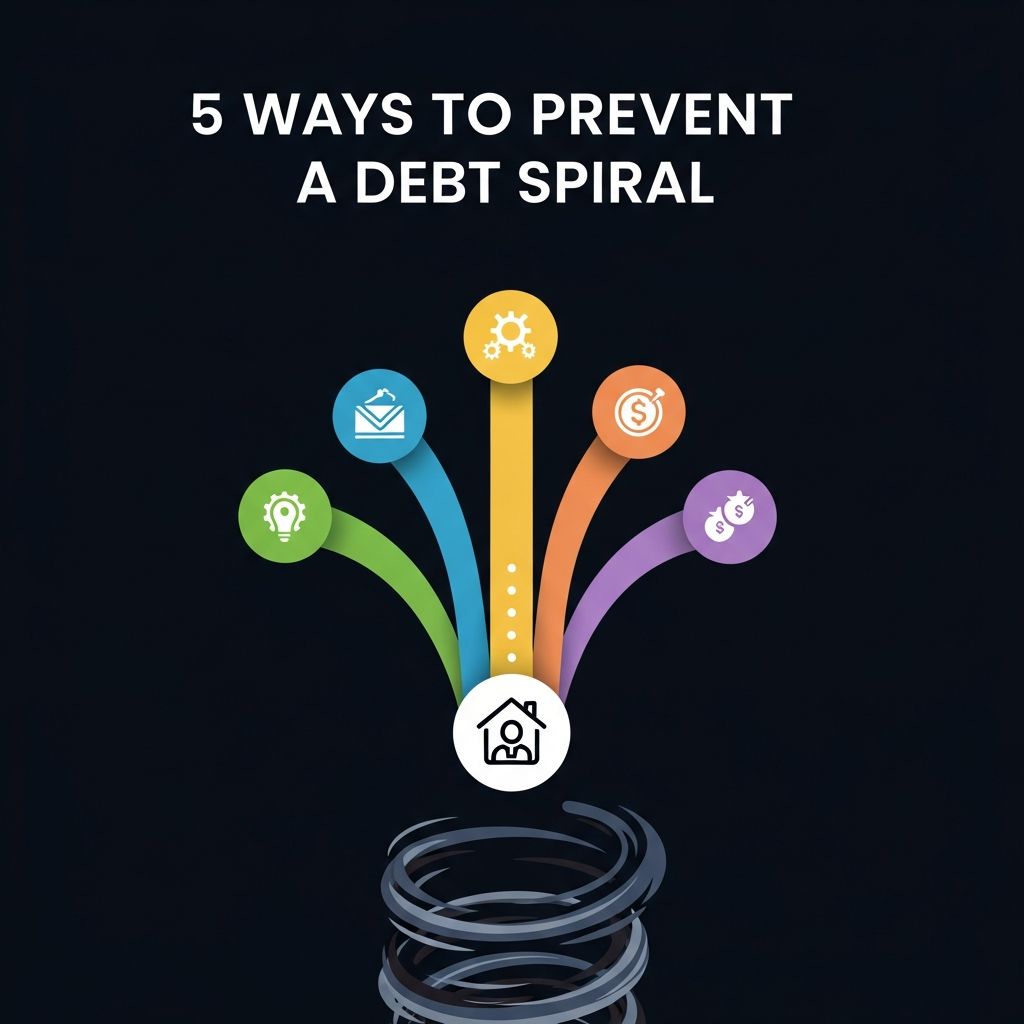
A debt spiral occurs when accumulating interest and fees on unpaid balances force individuals to borrow more just to cover minimum payments, creating a vicious cycle that erodes financial stability. This common trap affects millions, but proactive steps can stop it before it starts. By implementing disciplined habits early, anyone can safeguard their finances against this risk.
Understand the Debt Spiral
The debt spiral begins innocently with overspending or unexpected expenses leading to high-interest borrowing, such as credit cards or payday loans. As minimum payments barely cover interest—often at rates exceeding 20%—the principal grows, compelling further borrowing. Research shows nearly 20% of UK credit card users have charged buy-now-pay-later (BNPL) installments, transforming low-interest short-term debt into high-interest long-term obligations, signaling a ‘warning flag’ for regulators. In the US, similar patterns with credit cards and BNPL contribute to this cycle, where consumers live beyond means, amplifying economic vulnerability.
Preventing this requires vigilance. High-interest debts like credit cards act as ‘poison’ to wealth-building, while car loans and other liabilities compound the issue if not managed. Awareness is the first defense: list all debts, note interest rates, and calculate monthly interest costs to grasp the spiral’s mechanics.
1. Track Your Spending
The foundation of debt prevention is meticulous spending tracking. Without visibility into outflows, small leaks turn into floods. Start by logging every expense for a month—use apps, spreadsheets, or notebooks—to categorize spending: essentials like housing and groceries versus discretionary like dining out and subscriptions.
- Daily Logging: Record purchases immediately to avoid forgetting impulse buys.
- Weekly Reviews: Analyze patterns; identify cuts like reducing entertainment by 20%.
- Tools: Free apps or customizable worksheets help categorize and forecast.
Tracking reveals hidden waste; one study notes irregular income earners prevent spirals by monitoring business costs. Adjust habits: cook at home instead of takeout, saving hundreds monthly. This habit alone can redirect funds to savings, breaking potential debt reliance.
2. Create and Stick to a Budget
A realistic budget aligns income with expenses, ensuring positive cash flow. List monthly income first, then fixed costs (rent, utilities), variable (food, transport), and debt payments. Allocate remainder to savings and fun money to avoid resentment.
| Category | Budgeted Amount | Actual Spent | Difference |
|---|---|---|---|
| Housing | $1,200 | $1,180 | +$20 |
| Groceries | $400 | $450 | -$50 |
| Entertainment | $100 | $80 | +$20 |
| Savings/Debt | $300 | $300 | $0 |
This sample table illustrates tracking variances, allowing adjustments. Treat budget as fluid: cut non-essentials initially, then loosen as debts stabilize. Pay yourself first after bills—allocate to savings before discretionary spending. Budgeting frees cash for debt payoff, preventing new borrowing.
3. Prioritize Debt Repayment
When debt exists, prioritize high-interest ones to halt spiral growth. Use ‘debt avalanche’ (highest interest first) or ‘snowball’ (smallest balance first for momentum). Avoid new debt at all costs; resist temptations like BNPL on credit cards.
- Avalanche Method: Targets 20%+ credit card debt, saving most on interest.
- Snowball Method: Builds psychological wins by eliminating small debts quickly.
- Negotiate: Contact lenders for lower rates or waivers.
Consolidate if possible: combine into lower-rate loans via credit unions or reputable firms, simplifying payments. Never use credit for BNPL, as it converts 0% debt to high-interest traps.
4. Build an Emergency Fund
Unexpected events like job loss or repairs trigger borrowing without a safety net. Aim for 3-6 months’ expenses in a high-yield savings account. Start small: $1,000 buffer prevents high-interest loans for emergencies.
Fund it by automating transfers post-paycheck. Cut luxuries: cancel unused subscriptions, sell items. Debt aversion stems from flexibility loss; emergency funds restore it, avoiding ‘hanging over your head’ stress. Even modest funds weathered income drops for some.
- Step 1: Save $1,000 quick fund.
- Step 2: Build to one month expenses.
- Step 3: Reach 3-6 months.
This cushion opts you out of debt-forced money economy reliance.
5. Seek Professional Help Early
Don’t wait for crisis; non-profit counseling offers free budgeting, debt plans, and education. Certified counselors create personalized strategies, negotiating with creditors.
Local resources aid: community programs for utilities, food. Increase income via side gigs, freelancing, or raises. Stay committed; surround with support, celebrate wins. Persistence breaks spirals.
Frequently Asked Questions (FAQs)
Q: What is a debt spiral exactly?
A: A debt spiral is when interest and fees on debts exceed payments, forcing more borrowing to cover basics, perpetuated by high rates like 20% on credit cards.
Q: How do I start tracking spending?
A: Log every expense daily using apps or sheets, review weekly, categorize to spot cuts like subscriptions.
Q: What’s better, debt avalanche or snowball?
A: Avalanche saves most money by targeting high interest; snowball boosts motivation via quick wins. Choose based on needs.
Q: How much for an emergency fund?
A: Start with $1,000, build to 3-6 months’ expenses in accessible savings.
Q: When to seek debt counseling?
A: Early, especially if missing payments or tempted by new debt. Non-profits provide free, effective help.
Conclusion
Preventing a debt spiral demands discipline: track spending, budget rigorously, prioritize repayments, save emergencies, and seek help promptly. These steps foster freedom, turning vulnerability into control. Commit today for lasting security.
References
- Breaking Free: 10 Practical Tips to Escape the Debt Spiral — Madison Credit Union. 2023. https://madisoncu.com/breaking-free-10-practical-tips-to-escape-the-debt-spiral/
- New BNPL study raises concern about ‘debt spiral’ — Payments Dive. 2022-10-04. https://www.paymentsdive.com/news/new-bnpl-study-raises-concern-about-debt-spiral/619988/
- FINANCIAL EMPOWERMENT FOR TEENS & YOUNG ADULTS — Oweesta. 2020-01. https://www.oweesta.org/wp-content/uploads/2020/03/BNC-Youth-Curriculum_v3-FINAL-JAN-2020.pdf
Similar Articles








Read full bio of medha deb