5 Ways You’re Sabotaging Yourself and How to Stop
Discover the five self-sabotaging behaviors holding you back and proven strategies to overcome them.

Self-sabotaging habits are repetitive behavior patterns that stall your progress and prevent you from reaching your goals. They crush your dreams and disallow you from living a life aligned with your personal core values. Understanding these destructive behaviors is the first step toward breaking free from them and creating lasting positive change in your life.
Many of us engage in self-destructive behaviors without fully realizing the extent of damage we’re causing to our potential. These habits often stem from deep-seated psychological patterns rooted in past experiences, fear of failure, and the human tendency to seek immediate gratification over long-term success. By identifying the five most common ways we sabotage ourselves, you can develop awareness and actionable strategies to overcome these patterns.
1. Blaming Your Partner for Your Problems
One of the most pervasive forms of self-sabotage is the tendency to blame your partner for your personal shortcomings and failures. When you consistently place responsibility for your unhappiness, financial difficulties, or lack of progress on your partner’s shoulders, you abdicate your own power to create change.
Blaming others, particularly your romantic partner, serves as a defense mechanism. It protects your ego by shifting focus away from areas where you need to take personal responsibility. This behavior prevents you from gaining the self-awareness necessary to improve yourself and your circumstances. Instead of examining your own role in relationship dynamics or personal failures, you create a narrative where you’re the victim and your partner is the villain.
The Impact of Blame:
- Erodes trust and intimacy in your relationship
- Prevents personal growth and self-reflection
- Creates a cycle of conflict and resentment
- Shifts your focus away from what you can actually control
- Damages your partner’s self-esteem and emotional wellbeing
How to Stop: Take ownership of your feelings and actions. Recognize that your partner is not responsible for your emotional state or your life outcomes. Practice expressing your needs clearly without accusation. If you find yourself blaming, pause and ask: “What is my responsibility here?” Work toward communicating your feelings using “I” statements rather than “you” accusations. Consider couples therapy if blame patterns are deeply entrenched in your relationship.
2. Overeating and Food-Related Self-Sabotage
Overeating represents one of the most common and visible forms of self-sabotage. Food serves as a readily available comfort mechanism, and many people use it to cope with stress, boredom, emotional pain, or difficult feelings. This creates a vicious cycle where temporary relief through eating is followed by guilt, shame, and physical discomfort.
The challenge with overeating as self-sabotage is that it’s often unconscious. You might find yourself reaching for unhealthy foods without making a deliberate choice, eating to emotional triggers rather than physical hunger, or engaging in binge eating episodes that leave you feeling worse than before.
Why We Overeat:
- Emotional eating to suppress difficult feelings
- Stress-induced consumption of comfort foods
- Boredom and lack of engaging activities
- Habits formed during childhood or past experiences
- Using food as a reward mechanism
- Lack of awareness about hunger and satiety signals
How to Stop: Begin by increasing awareness of your eating patterns. Keep a food journal noting not just what you eat, but when, why, and how you felt while eating. Distinguish between physical hunger and emotional hunger. Practice alternative coping mechanisms for stress and emotions such as exercise, meditation, journaling, or talking with friends. Eat slowly and mindfully, paying attention to flavors and fullness signals. Stock your environment with healthier options and create a structured eating schedule. If emotional eating is severe, consider working with a therapist or nutritionist.
3. Overuse of Drugs or Alcohol
Substance abuse represents one of the most damaging forms of self-sabotage, with consequences that extend far beyond personal health into relationships, career, finances, and legal standing. While occasional social drinking or recreational use might seem manageable, many people develop patterns of overuse that directly undermine their goals and wellbeing.
Drugs and alcohol provide temporary escape from problems, pain, or uncomfortable emotions. However, they create a false sense of relief while the underlying issues persist and often worsen. Regular substance use can damage your physical health, impair your decision-making, harm relationships, reduce work performance, and drain financial resources.
Warning Signs of Problematic Substance Use:
- Using substances to cope with stress or negative emotions
- Neglecting responsibilities due to substance use
- Engaging in risky behavior while under the influence
- Experiencing blackouts or memory loss
- Failed attempts to cut back or quit
- Loss of interest in activities you previously enjoyed
- Continued use despite negative consequences
How to Stop: Acknowledge that substance use is preventing you from achieving your goals and living your best life. Seek professional help through addiction counselors, therapists, or support groups like Alcoholics Anonymous or Narcotics Anonymous. Address the underlying emotions and trauma driving substance use. Build a support network of people who encourage sobriety. Replace substance use with healthy coping mechanisms and engaging activities. Consider medical treatment options if physical dependence is involved. Recovery is possible, but it requires commitment and professional support.
4. Procrastination and Avoidance
Procrastination is a form of self-sabotage that affects nearly everyone at some point, but becomes particularly damaging when it becomes a chronic pattern. Procrastination isn’t about laziness or poor time management—it’s often rooted in fear, perfectionism, or difficulty managing emotions associated with tasks.
When you procrastinate, you delay important work, miss deadlines, create unnecessary stress, and reduce the quality of your output. This feeds a cycle where you feel increasingly anxious about the task, which makes you more likely to avoid it further. Over time, chronic procrastination can derail careers, damage relationships, and prevent you from pursuing meaningful goals.
Root Causes of Procrastination:
- Fear of failure or judgment
- Perfectionism and unrealistic standards
- Feeling overwhelmed by task complexity
- Lack of interest or engagement with the task
- Poor emotional regulation and task aversion
- Difficulty with time estimation and planning
How to Stop: Break large tasks into smaller, manageable steps that feel less overwhelming. Set specific deadlines and create accountability through sharing your goals with others. Address perfectionism by accepting “good enough” rather than perfect. Identify the emotion driving procrastination and develop alternative coping strategies. Use techniques like the Pomodoro method (25 minutes of focused work followed by short breaks) to build momentum. Start with the smallest possible step to overcome initial resistance. If procrastination relates to perfectionism or anxiety, consider therapy to address underlying issues.
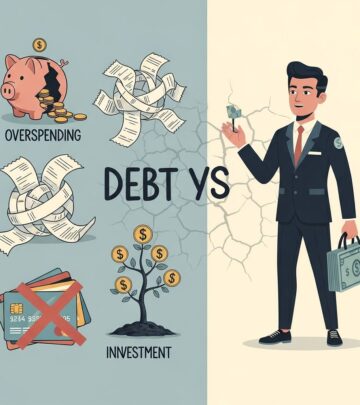
5. Financial Self-Sabotage
Many people sabotage their own financial health through poor spending habits, avoidance of financial planning, and short-term thinking that undermines long-term security. Financial self-sabotage manifests in various ways, from impulsive purchases to avoiding building savings or investing in retirement.
The tension between immediate gratification and delayed reward is particularly acute in financial decision-making. A purchase that makes you feel good today can have negative consequences months or years later. When you prioritize immediate satisfaction over long-term financial health, you undermine your ability to build wealth, achieve security, and create opportunities.
Common Forms of Financial Self-Sabotage:
| Self-Sabotaging Behavior | Short-Term Effect | Long-Term Consequence |
|---|---|---|
| Impulsive spending | Temporary pleasure and satisfaction | Depleted savings and increased debt |
| Avoiding budgeting | Freedom from financial monitoring | Loss of control and financial instability |
| Not saving for emergencies | More money available for spending | Vulnerability to financial crisis |
| Skipping retirement contributions | Larger paycheck in the short term | Insufficient funds for retirement |
| High-interest debt accumulation | Ability to purchase desired items | Financial burden and reduced opportunities |
How to Stop: Create a realistic budget that accounts for both necessary expenses and reasonable enjoyment. Automate savings transfers so you save before spending. Build an emergency fund to prevent crisis debt. Educate yourself about personal finance through books, courses, or financial advisors. Set clear financial goals and track progress regularly. Practice delayed gratification by waiting 24-48 hours before making non-essential purchases. Address emotional spending by identifying the feelings driving it and developing alternative coping strategies. Understand your personal relationship with money, including values inherited from your family of origin, to change unhelpful patterns.
Understanding the Psychology Behind Self-Sabotage
Self-sabotaging behavior might sound straightforwardly negative, but in reality, these behaviors often serve a purpose in the moment. They provide immediate relief, protection, or satisfaction, which is why they persist even when we know they’re harmful. Understanding this psychology is crucial for change.
Self-doubt, worry, and impulsivity are the main factors that lead us toward destructive behavior. Past negative experiences contribute significantly, as we sometimes engage in self-sabotaging behaviors as a way to cope with or forget about what went wrong. Additionally, fear of success itself can drive self-sabotage—as we get closer to achieving our goals, we may unconsciously pull back because success feels risky and unfamiliar.
The gap between external appearance and internal reality is particularly telling. You might appear to be working hard and doing your best, while internally self-doubt dominates your thoughts. This internal conflict creates stress and prevents authentic progress toward your goals.
Frequently Asked Questions
Q: Is self-sabotage something I can overcome on my own?
A: Many people can address mild self-sabotaging habits through self-awareness and deliberate practice of new behaviors. However, deeply rooted patterns—especially those connected to trauma, anxiety, or depression—often benefit significantly from professional support such as therapy or counseling. There’s no shame in seeking help; a therapist can provide tools and perspective that accelerate change.
Q: How long does it take to break self-sabotaging patterns?
A: Changing established patterns typically takes weeks to months of consistent effort. Research suggests that habit formation requires at least 21-66 days of repetition, though complex psychological patterns may take longer. Progress isn’t always linear—expect occasional setbacks while celebrating incremental improvements.
Q: What if I recognize all five of these sabotaging behaviors in myself?
A: Don’t despair. Many people struggle with multiple self-sabotaging patterns. Start by addressing the behavior that’s causing the most damage or that you feel most motivated to change. Success with one area builds confidence and momentum for addressing others. Consider working with a therapist or coach to develop a comprehensive approach.
Q: Can understanding my past help me stop sabotaging myself?
A: Yes. Many self-sabotaging behaviors develop as coping mechanisms in response to past experiences, trauma, or learned patterns from your family of origin. Understanding these origins helps you recognize triggers and respond more consciously. However, understanding alone isn’t sufficient—you must also practice new behaviors consistently.
Q: How do I maintain progress once I’ve started changing these patterns?
A: Build accountability through regular check-ins, journaling, or working with a therapist. Celebrate small wins to reinforce new behaviors. Return to your original motivation and goals regularly to stay focused. Be compassionate with yourself when setbacks occur—they’re normal and don’t erase your progress. Consider ongoing support systems, whether through therapy, support groups, or trusted friends.
Taking the First Step Toward Change
Recognizing that you’re sabotaging yourself is the crucial first step toward meaningful change. Each of these five areas—blaming your partner, overeating, substance abuse, procrastination, and financial self-sabotage—can be addressed through awareness, understanding your underlying motivations, and consistent practice of new behaviors.
The key is to move beyond immediate gratification and short-term relief toward building a life that aligns with your values and long-term goals. This requires patience, self-compassion, and often professional support. But the investment in breaking these patterns pays dividends across every area of your life—your relationships, health, career, and financial security.
Start today by identifying which sabotaging behavior affects you most significantly. Commit to one small change this week. Then build from there. Your future self will thank you for the effort you invest now.
References
- What are Self-Sabotaging Habits and How to Fight Them — Durmonski. January 2026. https://durmonski.com/self-improvement/self-sabotaging-habits/
Similar Articles








Read full bio of Sneha Tete