5 Times You Should Never Use Your Company Credit Card
Protect your job and finances by avoiding these 5 common mistakes with your company credit card.
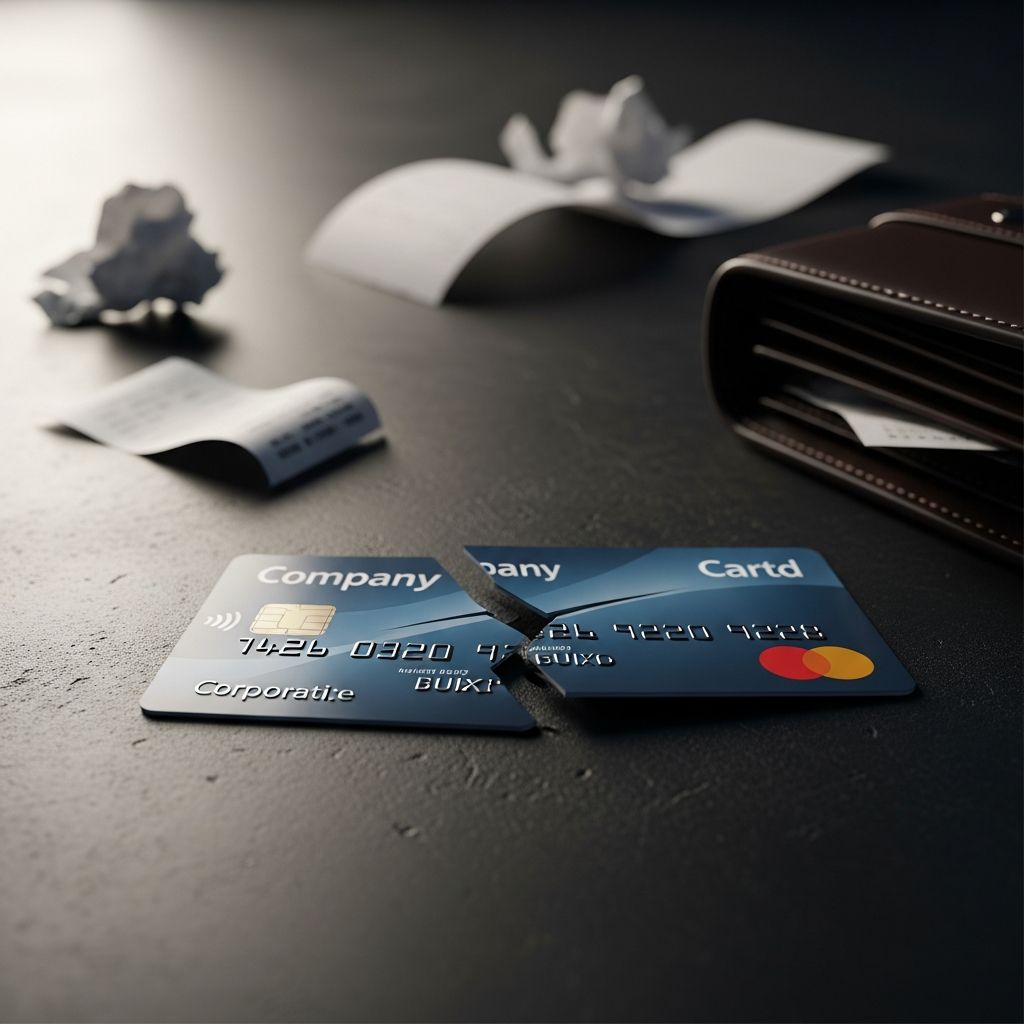
Company credit cards offer convenience for business expenses, but misusing them can lead to serious consequences like audits, repayment demands, or even termination. Understanding when not to use your company card is crucial for maintaining professionalism and financial integrity. This article outlines five key scenarios to avoid, drawing from common pitfalls in corporate spending policies.
1. For Personal Expenses
The most obvious and frequent mistake is using the company credit card for personal purchases. Whether it’s groceries, family gifts, or a weekend getaway, these charges blur the line between business and personal finances. Company policies strictly prohibit this, as it constitutes fraud and can trigger immediate audits.
Imagine charging your child’s school supplies or a personal gym membership to the business card. Even if you intend to reimburse later, the transaction appears as a business expense initially. Accounting teams review statements monthly, and discrepancies can lead to uncomfortable conversations with HR or your manager. According to financial experts, over 40% of employee terminations related to expense reports stem from personal misuse.
- Common personal slip-ups: Gas for personal travel, clothing not tied to work events, meals without clients.
- Consequences: Repayment with interest, damaged trust, potential legal action for embezzlement.
- Best practice: Always use a personal card or cash for non-business needs. Reimbursement claims should be filed separately with receipts.
To prevent this, review your company’s expense policy annually. Many firms now use software like Concur or Expensify that flags suspicious categories automatically.
2. During International Travel Without Prior Approval
Business trips abroad are common, but swiping the company card without pre-approval invites risks. Foreign transaction fees, currency fluctuations, and unfamiliar merchant practices can complicate reimbursements. Worse, some countries have higher fraud rates, triggering card locks mid-trip.
Without notifying your card issuer or finance team, charges might be declined at critical moments, like hotels or taxis. Policies often require travel bookings through approved vendors to leverage corporate rates and insurance. Unauthorized international use can exceed per diem limits, leading to out-of-pocket expenses.
| Risk Factor | Potential Issue | Mitigation |
|---|---|---|
| Foreign Fees | 3-5% per transaction | Get a no-foreign-fee card |
| Fraud Alerts | Card frozen abroad | Pre-notify bank |
| Currency Volatility | Unexpected costs | Use corporate travel desk |
Always secure written approval and use tools like Global Entry for smoother customs. Carry a backup personal card for emergencies.
3. At Unverified or High-Risk Merchants
Not all vendors are equal when it comes to security. Using the company card at sketchy online sites, street markets, or unverified pop-ups exposes the business to fraud. Cybercriminals target business cards for their higher limits and slower monitoring.
High-risk categories include gambling sites, adult entertainment, or unregulated marketplaces. Even legitimate but unsecured merchants can lead to data breaches. The 2023 Verizon Data Breach Report notes that 74% of breaches involve human error, like poor merchant choices.
- Red flags: No HTTPS, unsolicited emails, prices too good to be true.
- Alternatives: Purchase orders, wire transfers for large buys.
- Post-purchase: Monitor statements daily via apps.
Stick to approved vendor lists. If in doubt, pay personally and seek reimbursement.
4. For Cash Advances or Money Transfers
Cash advances via ATM or money transfers (like Western Union) are almost universally banned on company cards. These transactions incur steep fees (3-5% plus interest from day one) and signal potential misuse to auditors.
Businesses view cash equivalents as high-risk for laundering or personal loans. Even legitimate needs, like event cash for tips, should route through petty cash funds. Violating this can flag your account for review, freezing future access.
Fees breakdown:
- Cash advance fee: $10 minimum or 5%
- Interest: 25-30% APR, no grace period
- ATM fees: $2-5 extra
Opt for company debit cards or pre-approved reimbursements instead.
5. When Exceeding Authorized Limits or Categories
Every card has limits on amount and type. Exceeding them—say, a lavish client dinner beyond the $100 cap—can void reimbursements. Alcohol-heavy tabs or luxury items often fall outside ‘reasonable’ business needs.
IRS guidelines define business meals at 50% deductible, but companies are stricter. Overspending signals poor judgment, especially in economic downturns. Track via apps to stay under thresholds.
| Category | Typical Limit | Examples |
|---|---|---|
| Meals | $50-100/person | Lunch meetings |
| Travel | Per diem rates | Flights, hotels |
| Office Supplies | $500/month | Stationery |
Request limit increases in advance for exceptions.
Frequently Asked Questions (FAQs)
What if I accidentally use the card for a personal expense?
Notify your manager immediately, repay promptly, and document it. Transparency prevents escalation.
Can I use it for team-building events?
Yes, if pre-approved and receipts detail attendees and purpose.
What happens if fraud occurs on the company card?
Company liability typically covers it, but your account may be suspended during investigation.
How do I check my company’s policy?
Review the employee handbook or ask HR/finance for the latest version.
Is it okay to split bills?
Use itemized receipts; charge only business portions to avoid disputes.
Best Practices for Company Card Use
To stay compliant:
- Snap photos of receipts immediately.
- Submit expenses within 30 days.
- Use virtual cards for online buys.
- Attend policy training sessions.
By avoiding these five pitfalls, you protect your career and contribute to efficient business operations. Responsible use builds trust and streamlines reimbursements.
References
- Verizon 2023 Data Breach Investigations Report — Verizon. 2023-05-24. https://www.verizon.com/business/resources/reports/dbir/
- Publication 463: Travel, Gift, and Car Expenses — Internal Revenue Service (IRS). 2025-01-10. https://www.irs.gov/publications/p463
- Charge Card Policies and Procedures — U.S. General Services Administration (GSA). 2024-11-15. https://www.gsa.gov/policy-regulations/policy/travel-management-policy/charge-card-policies
- Federal Reserve Credit Card Regulations — Board of Governors of the Federal Reserve System. 2025-01-01. https://www.federalreserve.gov/supervisionreg/regreportforms.htm
- Expense Management Best Practices — Society for Human Resource Management (SHRM). 2024-09-20. https://www.shrm.org/topics-tools/tools/toolkits/managing-employee-expenses
Similar Articles








Read full bio of Sneha Tete