5 Thoughts After Paying Off Credit Card Debt
Discover the profound reflections and life-changing insights gained after finally eliminating credit card debt for good.
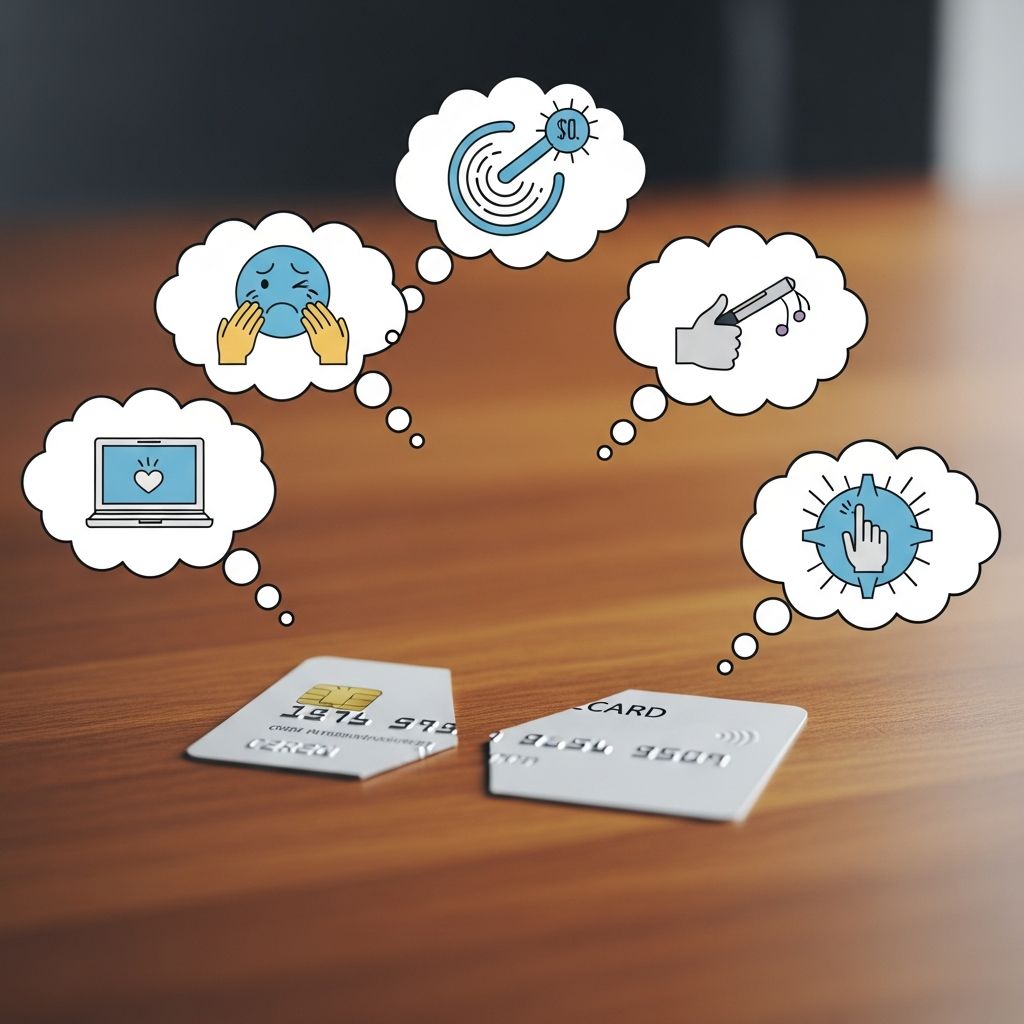
Paying off credit card debt is a monumental achievement that reshapes your financial landscape and mindset. For many, it’s the culmination of years of disciplined budgeting, sacrifice, and strategic payments. This article delves into the five profound thoughts that surfaced immediately after clearing my substantial credit card balances. Drawing from personal experience and supported by financial principles, these reflections highlight the emotional, practical, and long-term benefits of becoming debt-free. Whether you’re in the trenches of debt repayment or celebrating your victory, these insights offer valuable perspective on life after debt.
1. I Feel Free
The overwhelming sensation of freedom hits like a wave upon making that final payment. No longer chained to monthly minimums or accruing interest, every dollar earned becomes truly yours. This liberation extends beyond finances—it’s emotional and psychological. Studies from financial experts emphasize that debt relief reduces stress, improving mental health and overall well-being.
Imagine waking up without the dread of checking your statements or calculating interest charges. For me, this meant redirecting funds previously earmarked for debt toward personal goals like travel or investments. The stress relief from eliminating debt is one of the top pros, as it frees mental energy for more productive pursuits.
- Immediate cash flow boost: No more mandatory payments siphoning your income.
- Psychological shift: From scarcity mindset to abundance thinking.
- Long-term security: Building an emergency fund becomes feasible without debt drag.
However, this freedom requires vigilance. Without debt as a forced savings mechanism, discipline in spending is crucial to avoid relapse. Experian notes that maintaining discipline post-payoff prevents falling back into cycles of high-interest debt.
2. I Can Breathe Again
Breathing easy after debt payoff means reclaiming control over your budget. Credit card debt often consumes 20-30% of disposable income due to high interest rates averaging 20% APR or more. Once eliminated, that money reallocates to essentials or savings, creating breathing room in your finances.
In my case, post-payoff monthly cash flow increased by hundreds of dollars. This allowed for unexpected expenses without panic or new borrowing. Financial advisors recommend using this freed-up cash to bolster emergency funds, aiming for 3-6 months of living expenses.
| Pre-Debt Payoff | Post-Debt Payoff |
|---|---|
| 50% income to necessities | 40% income to necessities |
| 30% to debt payments | 10% to savings/investments |
| 20% discretionary | 50% discretionary + savings |
This table illustrates a typical budget shift. The newfound flexibility reduces financial anxiety, aligning with findings that debt-free individuals report higher life satisfaction. Yet, as Nevada State Bank warns, ensure you’re not sacrificing short-term liquidity entirely during aggressive payoff phases.
3. It’s Not That Hard to Live Without Credit Cards
A common myth is that credit cards are indispensable for daily life. After payoff, I discovered living cash-only or debit-based is not only feasible but empowering. This shift curtails impulse buys, as physical cash creates a tangible spending barrier—psychologists call it “pain of paying.”
Key strategies that made it sustainable:
- Cash envelopes: Allocate weekly spending limits per category (groceries, entertainment).
- Debit prioritization: Use checking account balances for predictability.
- Prepaid cards: For occasional needs without revolving debt risk.
Wisebread contributors echo this, advocating slow-and-steady debt reduction over extreme measures, which fosters sustainable habits. Data from consumer finance reports shows cash users spend 18-20% less on impulse items compared to card users. Challenges include building credit history without active cards, but secured cards or authorized user status mitigate this.
4. I Learned to Budget Better
Debt repayment hones budgeting skills like nothing else. Tracking every expense reveals leaks—those forgotten subscriptions or daily coffees adding up to thousands annually. Post-payoff, refined budgeting becomes a lifelong tool for wealth-building.
Effective techniques I adopted:
- Zero-based budgeting: Assign every dollar a job.
- 50/30/20 rule: 50% needs, 30% wants, 20% savings/debt.
- Apps and tools: Mint or YNAB for automation.
Acknowledging debt problems is step one, as Wisebread’s series on essentials stresses. Paying off debt teaches delayed gratification, a cornerstone of financial independence. Research indicates budgeted households save 15% more annually.
5. I Can Start Building Wealth
The ultimate reward: transitioning from debt destroyer to wealth builder. With no interest eating gains, redirect payments to high-yield savings, retirement accounts, or investments. Compound interest, once your enemy, becomes your ally—at 7% average stock returns, $500 monthly grows substantially over decades.
Steps to pivot:
- Emergency fund: 3-6 months expenses.
- Retirement: Max 401(k)/IRA contributions.
- Investing: Index funds for low-risk growth.
As per financial pros, early payoff secures your future by freeing capital for productive use. Avoid pitfalls like early payoff penalties on certain loans, though rare for credit cards.
Frequently Asked Questions (FAQs)
Q: Does paying off credit card debt hurt your credit score?
A: Temporarily yes, due to credit mix and utilization changes, but long-term benefits outweigh as you build positive history.
Q: What’s the best method to pay off multiple cards?
A: Debt avalanche (highest interest first) saves money; debt snowball (smallest balance first) builds momentum.
Q: How long does it take to pay off $10,000 at 20% APR with $300/month?
A: Approximately 4 years; increase payments to accelerate.
Q: Can I use credit cards again after payoff?
A: Yes, but pay in full monthly to avoid interest; treat as debit.
Q: What if I can’t pay minimums?
A: Contact creditors for hardship plans; consider debt management programs.
Becoming debt-free transforms lives, offering clarity and opportunity. Celebrate the win, but commit to habits that sustain it.
References
- Paying Off Debt Early: Pros and Cons — Nevada State Bank. 2022-11-01. https://www.nsbank.com/personal/community/two-cents-blog/2022-11-01-paying-off-debt-early/
- How to Pay Down Credit Card Debt Faster — Experian. N/A. https://www.experian.com/blogs/news/about/credit-cards/
- Acknowledge You Have a Problem with Debt — Wise Bread. N/A. https://www.wisebread.com/acknowledge-you-have-a-problem-with-debt
- Eliminate Credit Card Debt — CC Advising. N/A. https://ccadvising.com/articles/eliminate-credit-card-debt
- Are You Paying Off Credit Card Debt the Wrong Way? — Wise Bread. N/A. https://www.wisebread.com/are-you-paying-off-credit-card-debt-the-wrong-way
- Slow and Steady Wins the Debt Race — Wise Bread. N/A. https://www.wisebread.com/slow-and-steady-wins-the-debt-race
Similar Articles








Read full bio of medha deb