5 Things You Should Never Buy with Your Credit Card
Protect your finances by avoiding these five dangerous purchases on credit cards that lead to debt traps and high costs.
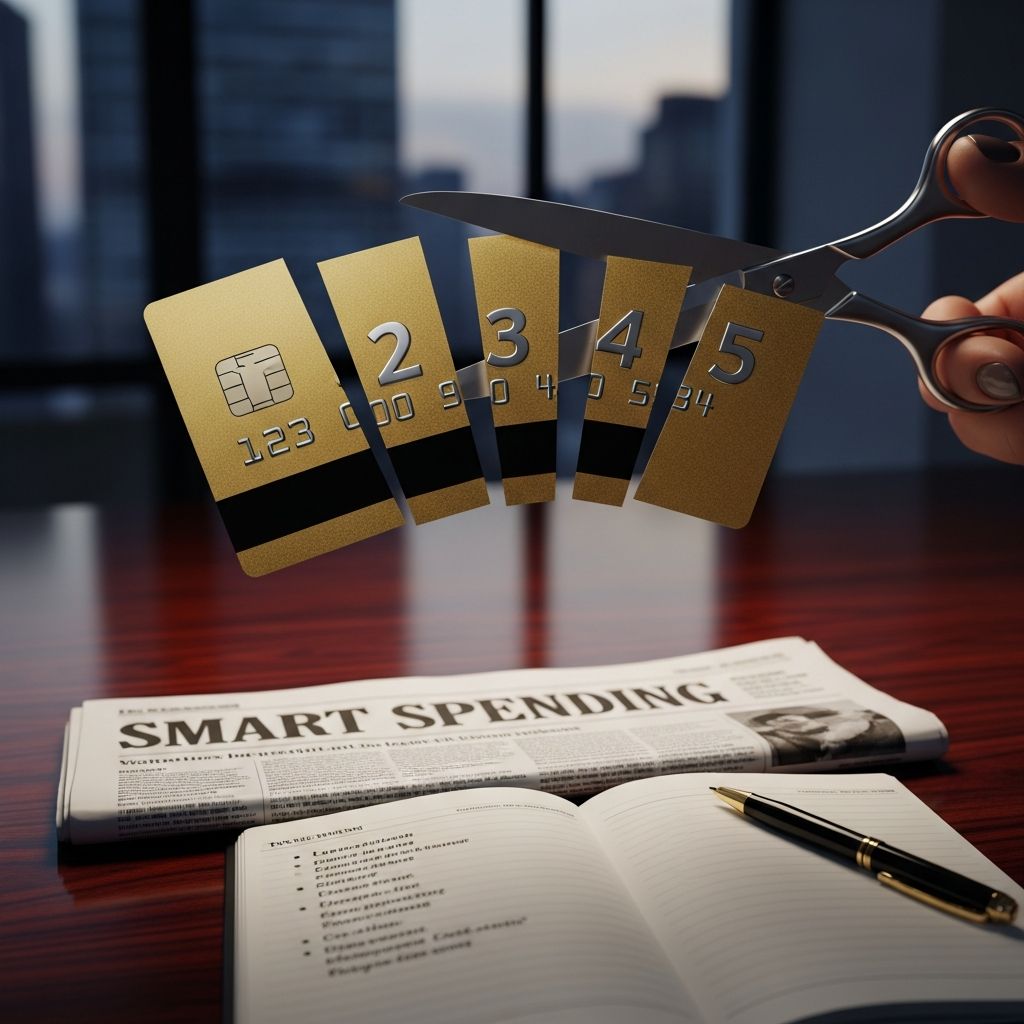
Using a credit card offers convenience and rewards, but certain purchases can lead to financial pitfalls like high interest rates, impulse overspending, and mounting debt. This article explores five categories of items you should avoid buying with credit to safeguard your budget and credit health. By paying cash or saving up, you maintain control over your finances.
1. Everyday Groceries
Groceries are a recurring expense that many people charge to credit cards for rewards points or convenience. However, this habit is risky because grocery spending is frequent and unpredictable, often leading to balances that accrue interest if not paid in full monthly.
Psychological studies show consumers spend more with credit cards than cash due to the ‘painless payment’ effect, where swiping feels less immediate than handing over bills. In one scenario, a shopper planned $30 on books but doubled it because credit decoupled the cost from the pleasure of buying. This effect amplifies with routine buys like groceries, where small overspends add up quickly.
- High interest risk: Average credit card APRs exceed 20%, turning a $200 grocery bill into costly debt if carried over.
- Impulse factor: Cards encourage grabbing extras like snacks or premium items without budget checks.
- Alternatives: Use debit cards, cash envelopes, or apps tracking grocery budgets to enforce discipline.
Financial experts recommend treating groceries as cash-only to build mindful spending habits. Banks like Citizens National emphasize education on such basics to avoid unnecessary fees. Over time, this prevents the cycle of minimum payments that erode savings potential.
2. Gas and Fuel
Filling up the tank seems harmless on a rewards credit card, but gas purchases are volatile and essential, making them prone to carrying balances during price spikes. Fluctuating fuel costs can push monthly spending beyond what you can immediately repay.
Store-specific or limited cards often tempt with gas discounts, but their high rates—often 25%+ APR—make them traps. Unlike general cards, they lack flexibility and security. Wise financial advice warns against such products, noting they lower credit utilization ratios harmfully if balances linger.
- Price volatility: Gas prices swing 20-50% yearly, straining budgets on credit.
- Reward myths: 3-5% cashback rarely offsets 20% interest on unpaid balances.
- Better options: Prepaid gas cards, cash, or fleet discounts from employers.
Avoid linking gas to credit by budgeting weekly fuel allotments in cash. This mirrors advice on ditching fee-laden accounts, ensuring every dollar spent is affordable upfront.
3. Store Credit Card Purchases (Like Clothes or Appliances)
Retailers lure shoppers with instant discounts—20-30% off—for signing up for store cards, but these are among the worst financial products. Limited to one store, they boast APRs up to 30%, poor security, and temptation for impulse buys like clothing or small appliances.
User experiences highlight dangers: one buyer financed underwear at inflated prices due to credit ease, regretting it later. Others note paying at registers to avoid interest, but the high baseline rates and identity theft risks persist. Closing them abruptly hurts credit scores by reducing available credit.
| Issue | Store Card | General Visa/MC |
|---|---|---|
| APR | 25-30% | 15-25% |
| Usage | One store only | Anywhere |
| Security | Lower standards | Higher fraud protection |
Opt for co-branded cards if frequent shopping occurs, but pay in full. Otherwise, save cash for these non-essentials to sidestep debt.
4. Gifts and Holidays
Holiday seasons amplify credit misuse, with gifts bought on plastic leading to year-long debt repayment. The pressure to splurge ignores cash limits, and studies confirm credit users overvalue product benefits while ignoring costs.
Comments from financial forums reveal patterns: shoppers double budgets unconsciously. Bulk buying or materialistic influences compound this, as hidden costs like extended warranties on gifts add up.
- Emotional spending: Gifts trigger guilt-free swipes.
- Deferred pain: Bills arrive post-holidays, when budgets are tight.
- Strategies: Set gift budgets, DIY presents, or use layaway plans.
Commit to cash-only gifting; it curbs excess and fosters meaningful choices over quantity.
5. Big-Ticket Items You Can’t Afford in Cash
Major purchases like furniture or electronics on credit are the ultimate no-go if beyond your savings. Zero-interest promotions sound ideal but often hide deferred interest clauses reverting to 25%+ if not paid off timely.
Home equity line credit cards are particularly disastrous, risking foreclosure on frivolous spends. Patterson State Bank notes low-APR transfers allow retirement saving alongside payoff, but only for disciplined users. Most fall into traps, as bulk buying without need hurts wallets long-term.
- Debt spiral: Minimum payments barely dent principal.
- Credit impact: High utilization tanks scores.
- Smart path: Save in high-yield accounts; delay gratification builds wealth.
Financial education stresses: if you can’t pay cash, you can’t afford it. This principle avoids over-insuring or chasing deals that expire.
Frequently Asked Questions (FAQs)
Why do credit cards lead to overspending?
Credit creates psychological distance from costs, focusing minds on benefits. Research in the Journal of Consumer Research confirms users ignore prices more with cards.
Are store credit cards ever okay?
Only for instant discounts paid off immediately at registers, per user tips. Otherwise, high APRs and risks outweigh perks.
What if I have a 0% APR promo?
Payoff before promo ends to avoid retroactive interest. Banks like Citizens National advise caution on such ‘deferred’ traps.
How to break credit dependency?
Switch to cash/debit for daily spends, track online, cut unnecessary cards gradually to preserve credit limits.
Does closing cards help or hurt?
It reduces spending temptation but can raise utilization ratios, dinging scores. Keep low-use cards open.
Final Tips for Credit Card Discipline
To thrive financially, treat cards as tools, not crutches. Prioritize cash for the above categories, monitor statements daily, and educate via reputable bank resources. This builds habits yielding long-term freedom from debt.
References
- Consumer Financial Protection Bureau: Credit Card Debt Statistics — CFPB (U.S. Government). 2025-06-15. https://www.consumerfinance.gov/data-research/credit-card-data/
- Federal Reserve: Report on Credit Card APRs and Fees — Federal Reserve Board. 2025-09-01. https://www.federalreserve.gov/publications/files/chargeoff810.pdf
- Journal of Consumer Research: Payment Decoupling Effect — Oxford University Press. 2004-01-01. https://doi.org/10.1086/383426
- Citizens National Bank Financial Education — Citizens National Bank. 2025-01-10. https://www.cnbohio.com/resources/financial-education/
- Patterson State Bank: Paying Off Credit Cards vs. Retirement Savings — Patterson State Bank. 2024-11-20. https://pattersonstatebank.com/is-it-always-best-to-pay-off-credit-cards-before-saving-for-retirement/
- FTC: Identity Theft and Retail Cards — Federal Trade Commission. 2025-03-05. https://consumer.ftc.gov/articles/identity-theft
Similar Articles








Read full bio of medha deb