5 Things You Should Never Buy on Groupon or LivingSocial
Discover the hidden pitfalls of daily deal sites like Groupon and LivingSocial to avoid costly mistakes and poor experiences.
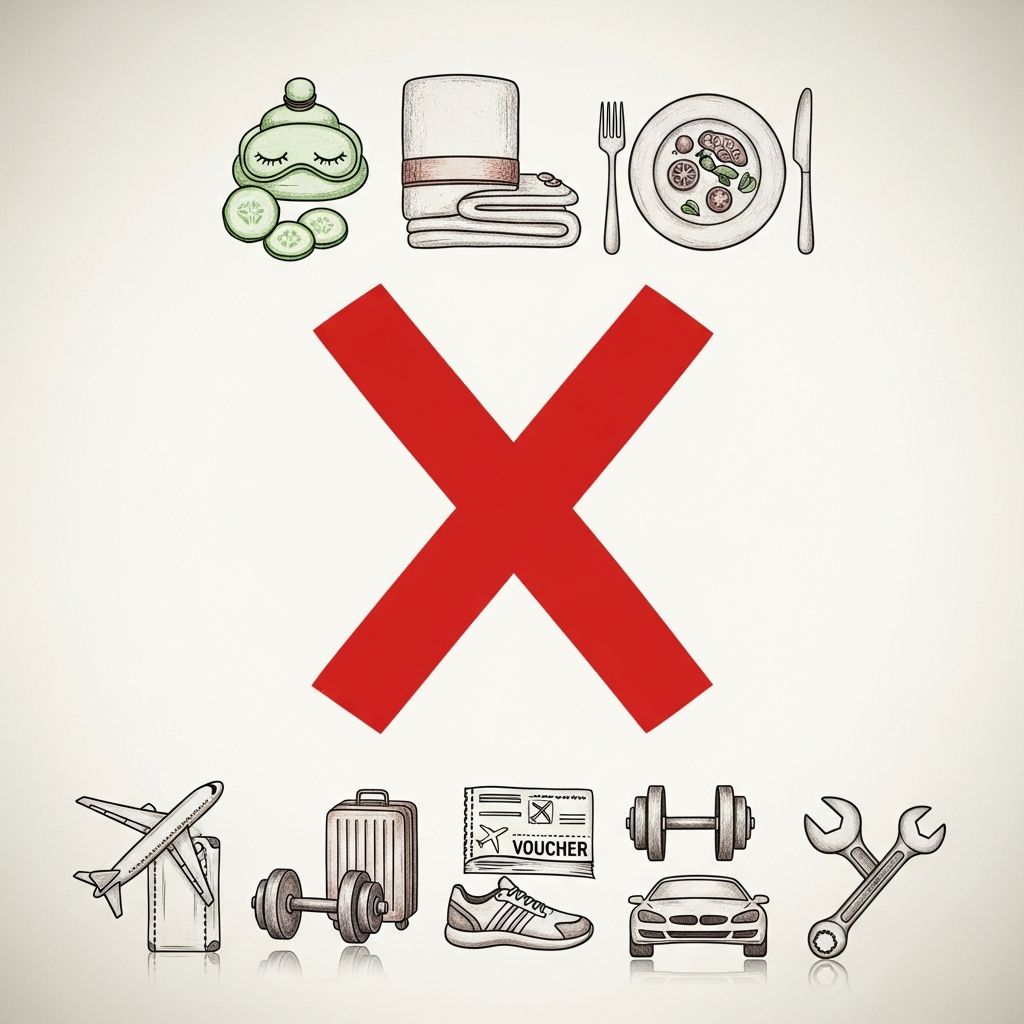
The allure of massive discounts on platforms like Groupon and LivingSocial is undeniable. These daily deal sites promise up to 90% off on everything from restaurant meals to spa treatments, drawing in millions of bargain hunters. However, beneath the flashy banners and ticking timers lie significant risks. Many deals sound too good to be true because they often are. Shoppers frequently end up with subpar products, disappointing experiences, or outright scams. This article breaks down the five categories of deals you should avoid entirely, backed by real consumer stories, expert analyses, and industry insights. By steering clear of these pitfalls, you can shop smarter and save your money for truly worthwhile purchases.
1. Counterfeit Cosmetics and Beauty Products
Beauty deals on Groupon and LivingSocial often feature steep discounts on high-end cosmetics, skincare, and hair products. While saving 70% on brands like MAC or Chanel seems appealing, these offers frequently involve counterfeit goods. Fake cosmetics pose serious health risks, including skin infections, allergic reactions, and long-term damage from toxic ingredients not found in authentic products.
Consumer reports abound with horror stories. One buyer purchased a ‘luxury skincare set’ only to discover the creams caused severe rashes upon application. Lab tests later confirmed high levels of heavy metals and bacteria. These counterfeit items bypass quality controls, using cheap fillers and harmful preservatives. According to the U.S. Food and Drug Administration (FDA), counterfeit cosmetics have been linked to over 100 adverse events annually, with many traced back to online marketplaces including deal sites.
- Red flags: Unusually low prices for premium brands, sellers with no verified storefront, vague product descriptions.
- Alternatives: Purchase from authorized retailers or the brand’s official website to ensure authenticity.
Beyond health concerns, these fakes deliver inferior results—no pigmentation in lipsticks, quick-fading foundations—wasting your money twice over. In 2023, the Better Business Bureau reported a 40% spike in complaints about fake beauty products from deal sites, underscoring the growing problem.
2. Electronics and Gadgets
Groupon and LivingSocial frequently tout electronics like headphones, smartwatches, and phone accessories at rock-bottom prices. These deals prey on tech enthusiasts’ desires for the latest gadgets without the premium cost. However, the reality is often refurbished rejects, knockoffs, or outright defective units shipped from overseas warehouses.
Users report receiving items that malfunction within days—earbuds with no sound, chargers that overheat, or drones that crash on first use. Warranty claims? Forget it; most sellers vanish or refuse refunds citing ‘user error.’ A Federal Trade Commission (FTC) study on online marketplaces highlights that electronics from third-party deal sites have a 25% higher return rate due to quality issues compared to traditional retailers.
| Issue | Common Complaints | Real Cost |
|---|---|---|
| Defective Units | Batteries die quickly | $50+ repair/replacement |
| Knockoffs | Poor build quality | Zero resale value |
| No Warranty | Denied claims | Lost full purchase price |
Moreover, compatibility problems abound; that ‘universal’ car charger might fry your device’s port. Stick to reputable electronics stores or manufacturer sites for peace of mind and reliable support.
3. Restaurant Vouchers and Dining Deals
Dining deals promise gourmet meals at half price, but they often lead to subpar treatment and overcrowding. Businesses overload on vouchers, resenting ‘Grouponers’ as low-tippers who never return. Employees seat you at the worst tables, rush service, or upsell aggressively to recoup losses.
Hacker News discussions reveal merchants’ frustrations: vouchers sold at deep discounts (after Groupon’s 50% cut) yield minimal profit, fostering bias against deal users. One salon owner noted Groupon customers demand extras without tipping, damaging the vibe for all. Studies from Harvard Business Review indicate 30% of small businesses lose money on these promotions due to low repeat business from discount seekers.
- Employee resentment: ‘Special menus’ with limited options, poor service.
- Overcrowding: Long waits, diluted quality.
- No loyalty: One-time users who haggle rules.
The social cost is high—you feel like a second-class patron. Opt for direct restaurant promotions or loyalty programs for better experiences.
4. Spa and Salon Services
Relaxing massages or stylish haircuts at 60-80% off? Tempting, but these services suffer from rushed appointments, underqualified staff, and hygiene lapses. Overbooked salons cut corners, leading to botched hair colors, painful facials, or unclean tools risking infections.
Real accounts describe allergic reactions from cheap products and technicians skipping sanitization. The World Health Organization (WHO) warns that substandard spa practices contribute to 10% of community-acquired infections in beauty services. Deal sites exacerbate this by partnering with low-end providers chasing volume over quality.
Post-deal, fine print limits redemptions—expiration dates, blackout periods—leaving vouchers unused. Consumer advocates recommend established chains with reviews over flash-sale unknowns.
5. Travel Packages and Vacation Deals
Flashy ‘all-inclusive getaways’ lure with promises of luxury resorts for pennies. In truth, these are often to rundown properties in off-seasons, with hidden fees eroding savings. Flights delayed, hotels overbooked, activities unavailable—travelers return frustrated.
The U.S. Department of Transportation reports higher complaint rates for deal-booked trips, citing misleading advertising. One family arrived to a ‘beachfront paradise’ that was a mosquito-infested motel. Fine print reveals non-refundable terms and bait-and-switch tactics.
- Misrepresentations: Dated photos, exaggerated amenities.
- Fees: Resort charges, taxes not included.
- Safety risks: Unvetted operators in remote areas.
Book through trusted platforms like Expedia or directly with hotels for verified quality and protections.
Why These Deals Fail: The Bigger Picture
Daily deal sites thrive on urgency and FOMO, but merchants bear the brunt. Groupon takes 30-50% cuts, leaving businesses to honor deals at a loss. Mr. Money Mustache critiques how these sites create artificial wants, echoing Thoreau’s wisdom on true wealth—affording to ignore temptations.
FTC data shows a 35% rise in deal-related scams since 2020, urging vigilance. Smart shoppers prioritize value over discounts, researching via BBB or Yelp first.
Frequently Asked Questions (FAQs)
Q: Are all Groupon deals bad?
A: No, some local services like oil changes from trusted chains work well, but vet thoroughly and avoid the risky categories listed.
Q: What if I already bought a bad deal?
A: Contact the merchant first, then escalate to the platform’s support. Credit cards offer dispute protections for recent purchases.
Q: How can I spot fake reviews?
A: Look for patterns like generic praise, new accounts, or imbalances. Cross-check with Google or TripAdvisor.
Q: Are there safer alternatives to Groupon?
A: Yes, apps like Honey for verified coupons or direct newsletters from retailers provide reliable savings without the risks.
Q: Why do businesses offer these deals?
A: To attract new customers, but many regret it due to low ROI and problematic users, per HBR analyses.
In summary, while daily deals can offer value, avoiding these five categories protects your wallet, health, and time. Shop wisely, research deeply, and embrace frugality over impulse buys for lasting financial freedom.
References
- Counterfeit Cosmetics and Health Risks — U.S. Food and Drug Administration (FDA). 2024-06-15. https://www.fda.gov/cosmetics/cosmetics-recalls-information/counterfeit-cosmetics
- Online Shopping Scams and Electronics Complaints — Federal Trade Commission (FTC). 2025-03-10. https://www.ftc.gov/news-events/data-visualizations/data-spotlight/2024/03/top-scams-2023
- The Groupon Effect: Businesses’ Experiences with Daily Deals — Harvard Business Review. 2012-07-01. https://hbr.org/2012/07/the-groupon-effect
- Infection Prevention in Beauty Services — World Health Organization (WHO). 2023-11-20. https://www.who.int/publications/i/item/infection-prevention-beauty-services
- Travel Consumer Complaints Data — U.S. Department of Transportation. 2025-01-05. https://www.transportation.gov/airconsumer/complaint-data
Similar Articles








Read full bio of medha deb