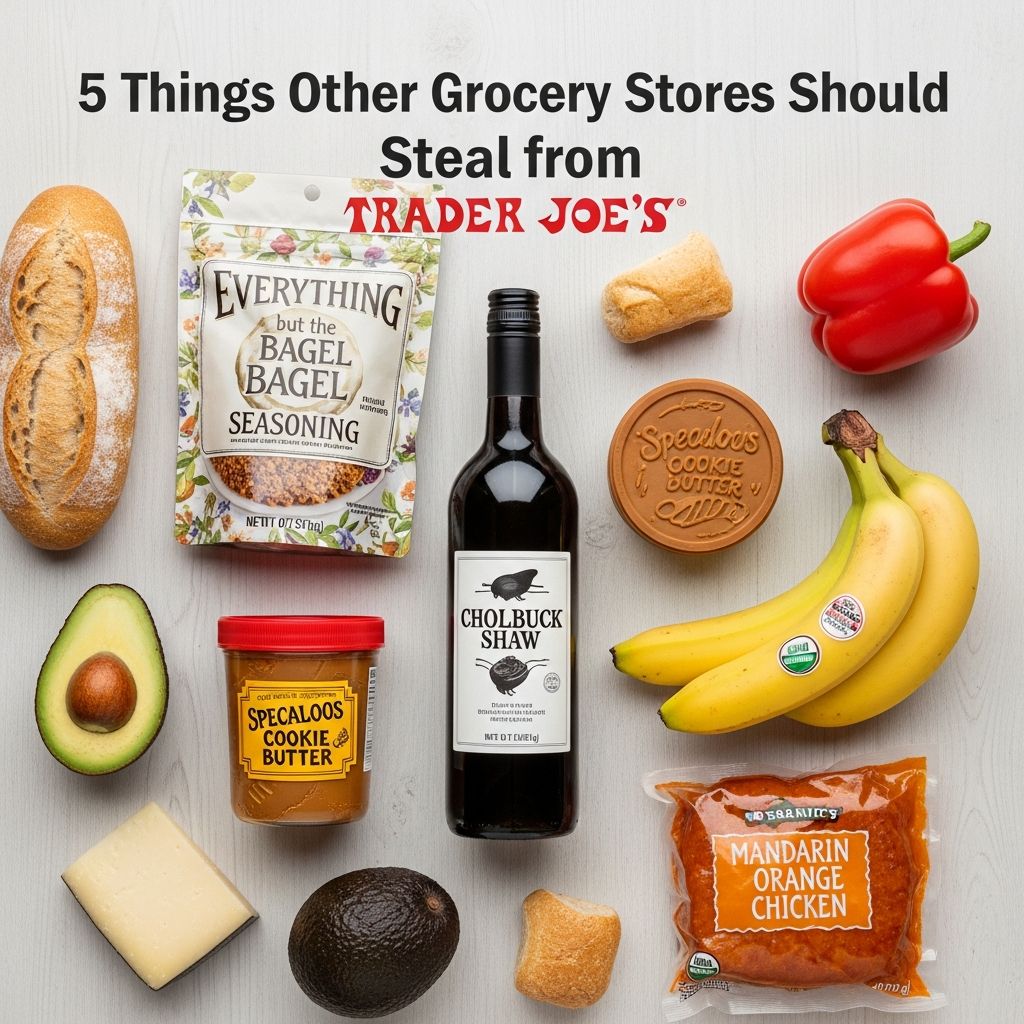
5 Things Other Grocery Stores Should Steal from Trader Joe’s
Discover the genius strategies Trader Joe's uses to deliver affordable, healthy groceries that keep shoppers returning week after week.
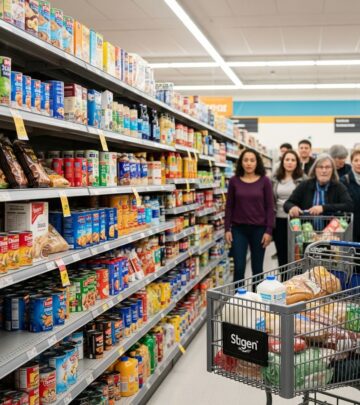
Trader Joe’s has cultivated a cult-like following among budget-conscious shoppers seeking quality, healthy groceries at unbeatable prices. Unlike traditional chains overwhelmed by endless aisles and generic products, Trader Joe’s thrives on a curated selection, vibrant store atmosphere, and customer-centric innovations. This article breaks down the
five key strategies
that make Trader Joe’s irresistible, offering actionable insights for competing grocers to enhance their appeal, reduce waste, and foster loyalty. By adopting these tactics, other stores can transform mundane shopping trips into delightful experiences while boosting sales and customer retention.1. No Free Samples — But Amazing Low-Cost Prepared Foods
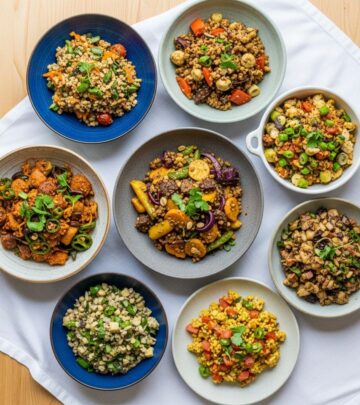
One of Trader Joe’s most clever moves is ditching traditional free samples in favor of affordable, ready-to-eat prepared foods strategically placed throughout the store. While chains like Costco or Whole Foods lure customers with complimentary bites, Trader Joe’s flips the script by offering high-quality items like gourmet dips, salads, and entrees priced under $5. This approach not only generates immediate revenue but also serves as an effective “sampling” method without the labor-intensive setup of free tastings.
Imagine walking past a chilled section stocked with
truffle mushroom bruschetta
for $3.99 orsesame-crusted ahi tuna
portions at $4.99. Shoppers naturally pick up these impulse buys, trying new products on the spot and associating Trader Joe’s with premium flavors at everyday prices. This tactic minimizes food waste associated with free samples—no spoilage from uneaten demos—and turns every section into a revenue-generating tasting station. Studies from theUSDA
show that prepared foods account for growing grocery sales, with consumers increasingly favoring convenience over cooking from scratch.- Cost Efficiency: Prepared foods have higher margins than raw ingredients, allowing stores to offer perceived value without slashing prices on staples.
- Cross-Selling: Placing dips near crackers or salads by dressings encourages bundled purchases.
- Health Appeal: Many options are organic or low-calorie, aligning with wellness trends reported by the
FDA
.
Competing stores could replicate this by partnering with local chefs for exclusive, store-brand ready meals. The result? Shoppers spend more per visit while feeling they’ve discovered hidden gems, fostering repeat business.
2. Small, Curated Selection — No Overwhelming Choices
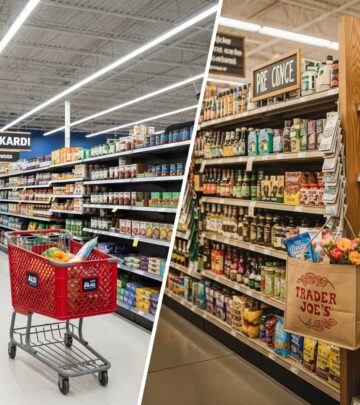
In an era of decision paralysis, Trader Joe’s limits its inventory to about 4,000 SKUs compared to Walmart’s 140,000+. This
curated approach
eliminates shopper fatigue, making decisions quicker and more enjoyable. Every product is vetted for quality, uniqueness, and value, from exclusive private-label items to seasonal exclusives that create urgency and excitement.Instead of 20 brands of pasta sauce, Trader Joe’s offers three stellar options, all under their own label at half the price of name brands. This strategy, backed by behavioral economics research from
Nobel laureate Daniel Kahneman
, reduces cognitive overload—shoppers abandon carts when faced with too many choices. Trader Joe’s turns this into a strength by rotating stock, ensuring freshness and preventing boredom. Limited availability of fan-favorites likeSpeculoos Cookie Butter
sparks social media buzz and FOMO-driven purchases.| Traditional Grocery | Trader Joe’s Approach | Benefits |
|---|---|---|
| 100+ cereal varieties | 20 high-quality selections | Faster shopping, less waste |
| Generic national brands | Exclusive private labels | Higher margins, brand loyalty |
| Static inventory | Seasonal rotations | Increased visit frequency |
Other grocers should audit their aisles, slashing low-performers and introducing exclusive lines. This not only cuts operational costs but also positions the store as a trendy destination rather than a commodity warehouse.
3. Happy, Knowledgeable Staff in Hawaiian Shirts
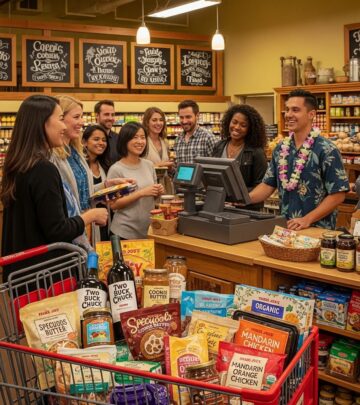
Trader Joe’s employees are the secret sauce: friendly, product-savvy team members wearing casual Hawaiian shirts and aloha shirts that scream approachability. Unlike uniformed cashiers at other chains who seem disinterested, TJ’s crew actively engages, offering recommendations and cracking jokes. This
high-touch service
stems from above-average pay, comprehensive training, and a fun work culture, resulting in turnover rates far below industry averages perU.S. Bureau of Labor Statistics
data on retail staffing.Staff know the difference between organic vs. non-GMO products, can suggest wine pairings, and even help locate out-of-stock items via handheld devices. Their enthusiasm is contagious, turning shopping into a social event. In a 2023
National Retail Federation
survey, 78% of consumers cited friendly staff as a top reason for store loyalty—Trader Joe’s nails this metric effortlessly.- Training Focus: Weekly sessions on new products ensure expertise.
- Uniform Policy: Comfortable, thematic attire reduces formality barriers.
- Incentives: Profit-sharing and perks boost morale and retention.
Grocery chains could invest in staff development programs, ditching stiff uniforms for branded casual wear. The ROI? Measurable increases in customer satisfaction scores and basket sizes.
4. Double Lines at Checkout — Maximum Efficiency
Trader Joe’s checkouts feature
two parallel lines
feeding multiple registers, a system that prevents bottlenecks and keeps lines moving at lightning speed. While other stores force single-file queues snaking through aisles, TJ’s design ensures no one waits more than 2-3 minutes, even at peak times. This engineering marvel, akin to airport security lanes, maximizes throughput without needing excessive staff.Shoppers choose the shortest line dynamically, reducing perceived wait times—a psychological win per
Harvard Business Review
studies on queue management. Registers are clustered closely, allowing cashiers to assist neighbors if needed. No self-checkout frustrations here; human interaction remains paramount.Implementation is simple: Reposition registers, train on rapid scanning, and monitor flow with basic analytics. The payoff is huge—frustrated shoppers equals lost sales, but efficient exits mean happy customers returning sooner.
5. Exclusive, Healthy, Low-Cost Products You Can’t Find Anywhere Else
Trader Joe’s magic lies in its
private-label empire
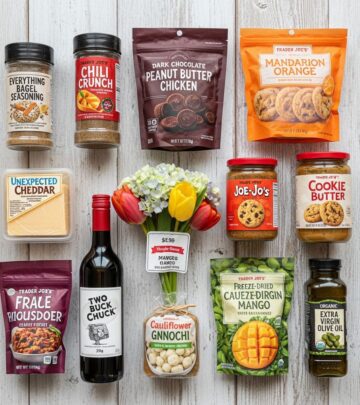
: 80% of products are store exclusives, often healthier twists on classics at 20-30% lower prices. Think frozen meals under 300 calories, organic produce cheaper than conventional chains, and quirky imports like Peruvian quinoa or everything-but-the-bagel seasoning. Sourced directly from suppliers, these bypass middlemen for rock-bottom costs without sacrificing quality.The
USDA Economic Research Service
notes private labels now comprise 20% of U.S. grocery sales, growing due to value perception. Trader Joe’s elevates this with innovation—vegan cheeses, grain-free snacks, and global flavors catering to dietary trends. Exclusivity builds addiction; fans travel miles for “everything” bagel chips unavailable elsewhere.- Health Focus: Low-sugar, high-fiber options align with
CDC
nutrition guidelines. - Innovation: Seasonal limited editions drive urgency.
- Value: Bulk imports keep prices low.
Other stores can launch their own labels, emphasizing wellness and uniqueness to compete. Success stories like Aldi’s private brands prove this model’s scalability.
Frequently Asked Questions (FAQs)
Why is Trader Joe’s so much cheaper than other stores?
Trader Joe’s cuts costs through private labels, direct sourcing, minimal advertising, and efficient operations, passing savings to customers.
Can other grocery stores really copy Trader Joe’s model?
Yes, by focusing on curation, staff training, and exclusives—proven strategies adaptable to any chain size.
Are Trader Joe’s products truly healthier?
Many are organic, low-processed, and nutrient-dense, outperforming average grocery fare per independent nutrition analyses.
How does the double-line system work so well?
Parallel queues distribute flow evenly, minimizing wait times through smart design and trained cashiers.
What’s the most popular Trader Joe’s product?
Everything But The Bagel seasoning tops lists, with frozen mandarin orange chicken close behind for versatility.
Trader Joe’s proves that innovation in grocery retail doesn’t require massive budgets—just smart, customer-focused decisions. By stealing these five elements, competitors can revitalize their stores and capture market share in a crowded field. Next shopping trip, observe how these tactics play out and consider advocating for change at your local chain.
References
- Retail Food Price Spreads — USDA Economic Research Service. 2024-09-15. https://www.ers.usda.gov/data-products/retail-food-price-spreads/
- Nutrition Labeling Information — U.S. Food and Drug Administration. 2025-03-10. https://www.fda.gov/food/nutrition-labeling-information
- Retail Trade Occupational Employment and Wages — U.S. Bureau of Labor Statistics. 2025-05-01. https://www.bls.gov/oes/current/oes413021.htm
- The Psychology of Queues — Harvard Business Review. 2023-11-20. https://hbr.org/2023/11/the-psychology-of-queues
- Private Label Trends in Grocery — National Retail Federation. 2024-07-12. https://nrf.com/research/private-label-trends-grocery
- Healthy Eating Guidelines — Centers for Disease Control and Prevention. 2025-01-05. https://www.cdc.gov/nutrition
Similar Articles








Read full bio of Sneha Tete