5 Tax Scams You Should Know About for 2026
Protect your tax refund and financial security by recognizing these common tax scams targeting filers in 2026.
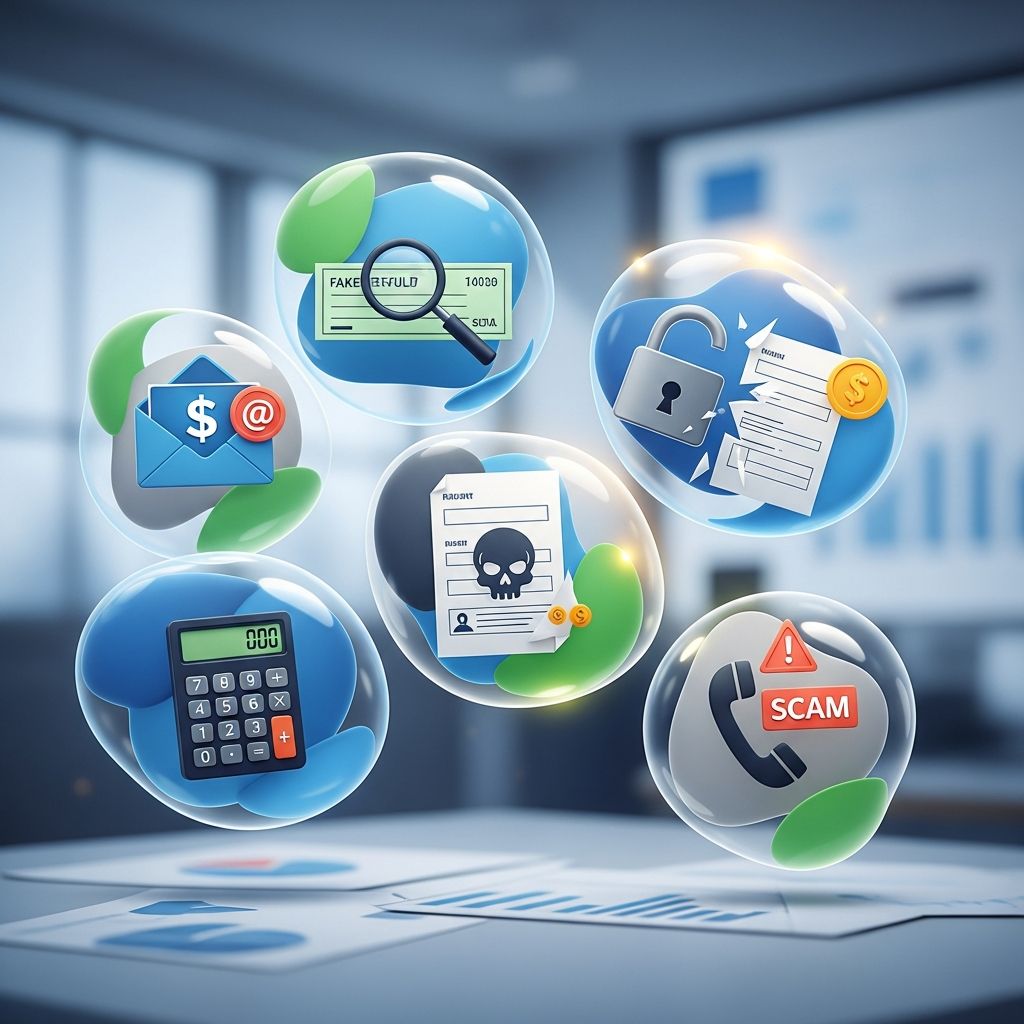
Tax season brings more than just forms and deadlines—it also attracts scammers eager to steal your refund, identity, or money. As filing deadlines approach in 2026, the Internal Revenue Service (IRS) warns of rising sophisticated fraud schemes. This article details the five most prevalent tax scams, how they operate, red flags to watch for, and steps to protect yourself. Armed with this knowledge, you can file confidently and keep fraudsters at bay.
According to the IRS, taxpayers lost over $5.5 billion to identity theft in recent years, with tax-related scams contributing significantly.1 Criminals evolve their tactics annually, leveraging AI, social media, and deepfakes. Understanding these threats is crucial for everyone from first-time filers to retirees.
1. The IRS Impersonation Phone Scam
The most notorious tax scam involves fraudsters posing as IRS agents calling demanding immediate payment for fake tax debts. Scammers use spoofed numbers displaying ”IRS” on caller ID, aggressive language, and threats of arrest, lawsuits, or deportation if you don’t pay via wire transfer, gift cards, or cryptocurrency.
Key red flags include:
- Unexpected calls demanding instant payment without prior notice.
- Requests for payment via unconventional methods like prepaid cards or Bitcoin.
- Threats of immediate action, which the real IRS never makes.
The genuine IRS initiates contact by mail, never by phone for payment demands. In 2025, the Treasury Inspector General for Tax Administration (TIGTA) reported over 2.4 million suspicious IRS imposter calls.2
How to Respond: Hang up immediately. Verify any issues by calling the IRS directly at 1-800-829-1040 or checking your account on IRS.gov. Report scams to TIGTA at 1-800-366-4484 or online.
| Real IRS Practices | Scam Tactics |
|---|---|
| Contact by U.S. mail first | Cold calls with threats |
| Installment agreements available | Demand full payment now |
| Official website verification | Fake websites demanding info |
2. Phishing Emails and Smishing Texts
Phishing scammers send emails or texts pretending to be from the IRS, tax software companies, or banks, urging you to click links for ”refund status” or ”e-file verification.” These lead to fake sites harvesting your Social Security number, bank details, and login credentials.
Emails often feature urgent subject lines like ”Your 2026 Tax Refund is Ready—Claim Now!” or spoofed sender addresses like ”irs@refund-gov.com.” Smishing (SMS phishing) texts mimic delivery notifications for ”tax documents.”
The Federal Trade Commission (FTC) notes phishing as the top vector for tax identity theft, with millions affected annually.3 In 2025, IRS.gov reported a 30% spike in phishing attempts during peak filing months.
Protection Tips:
- Never click links in unsolicited tax messages—go directly to official sites.
- Enable two-factor authentication on tax accounts.
- Use antivirus software with phishing detection.
Report phishing to phishing@irs.gov and forward texts to 7726 (SPAM).
3. Fake Tax Preparers and Refund Theft
Scammers pose as legitimate tax preparers offering ”guaranteed” large refunds for a fee, often targeting low-income filers eligible for credits like the Earned Income Tax Credit (EITC). They steal your refund by filing fraudulent returns using your info or directing deposits to their accounts.
Common ploys include ghost preparers (no physical office), promises of refunds larger than owed, or charging exorbitant fees. The IRS flags that legitimate preparers don’t guarantee results or charge based on refund size.1
In fiscal year 2024, the IRS prevented $9.6 billion in fraudulent EITC claims.4 Signs of a fake preparer:
- No Preparer Tax Identification Number (PTIN).
- Evasive about signing your return.
- Uses only debit/prepaid cards for e-filing.
Safe Choices: Select preparers from the IRS Directory of Federal Tax Return Preparers. Review and sign your return before filing. Use Free File or VITA for low-income help.
4. Form W-8 Impersonation Scams
This lesser-known scam targets employers and businesses. Fraudsters send fake IRS Form W-8BEN (for foreign vendors) claiming you’re a non-U.S. resident to dodge withholding taxes. They provide stolen or fabricated info to receive payments tax-free.
They follow up with calls pressuring quick changes. TIGTA warns this scam cost businesses millions in improper payments and penalties in 2025.2
Verification steps:
- Confirm vendor status independently.
- Request original documents, not PDFs.
- Report suspicious forms to IRS Form 3949-A.
5. Social Media and Fuel Tax Credit Scams
Scammers exploit platforms like Facebook and TikTok with ads promising ”fuel tax credits” for off-road diesel or aviation fuel users. They charge fees for fake forms or sell bogus software. Another variant targets gig workers with phony deductions.
The FTC reported a surge in social media tax scams during 2025, with losses exceeding $100 million.3 Legitimate credits require specific IRS forms like 4136, not paid services.
Avoidance:
- Research claims on IRS.gov before paying.
- Ignore unsolicited social ads.
- Consult credentialed pros for credits.
What to Do If You’re a Victim
If scammed:
- File IRS Form 14039 (Identity Theft Affidavit).
- Place a fraud alert with credit bureaus.
- Contact your bank and monitor accounts.
- Report to FTC at IdentityTheft.gov and local police.
Monitor transcripts on IRS.gov for unauthorized filings. Recovery can take months, but early action minimizes damage.
Frequently Asked Questions (FAQs)
Q: Does the IRS ever call about unpaid taxes?
A: No, the IRS first sends mail. Phone contact follows only after notices, never with payment threats.1
Q: How do I spot a fake tax website?
A: Check for HTTPS, .gov domain, and direct navigation. Avoid sites from emails or ads.2
Q: What if I gave info to a scammer?
A: File Form 14039 immediately, freeze credit, and change passwords. Contact IRS at 800-908-4490.4
Q: Are tax scams only during filing season?
A: No, they peak January-April but occur year-round, especially pre-refund.
Q: Can I get free tax help safely?
A: Yes, via IRS Free File (AGI under $79k) or VITA/TCE programs.1
Stay Vigilant in 2026
Tax scams evolve, but prevention basics remain: verify sources, avoid sharing data unsolicited, and use official channels. Enable IP PINs for added security—apply at IRS.gov. By staying informed, you safeguard your finances.
References
- Dirty Dozen Tax Scams for 2025 — Internal Revenue Service. 2025-03-12. https://www.irs.gov/newsroom/irs-unveils-dirty-dozen-list-of-tax-scams-for-2025
- Semi-Annual Report to Congress — Treasury Inspector General for Tax Administration. 2025-10-01. https://www.tigta.gov/sites/default/files/reports/2025-10/SAR%20April%20September%202025.pdf
- Consumer Sentinel Network Data Book 2024 — Federal Trade Commission. 2025-02-28. https://www.ftc.gov/system/files/ftc_gov/pdf/CSN-Data-Book-2024.pdf
- Identity Theft Central — Internal Revenue Service. 2025-11-15. https://www.irs.gov/identity-theft-fraud-scams/identity-theft-central
Similar Articles








Read full bio of medha deb