5 Surprising Ways Revolving Debt Helps You
Discover unexpected benefits of revolving debt like credit cards and lines of credit that can boost your financial flexibility and health.
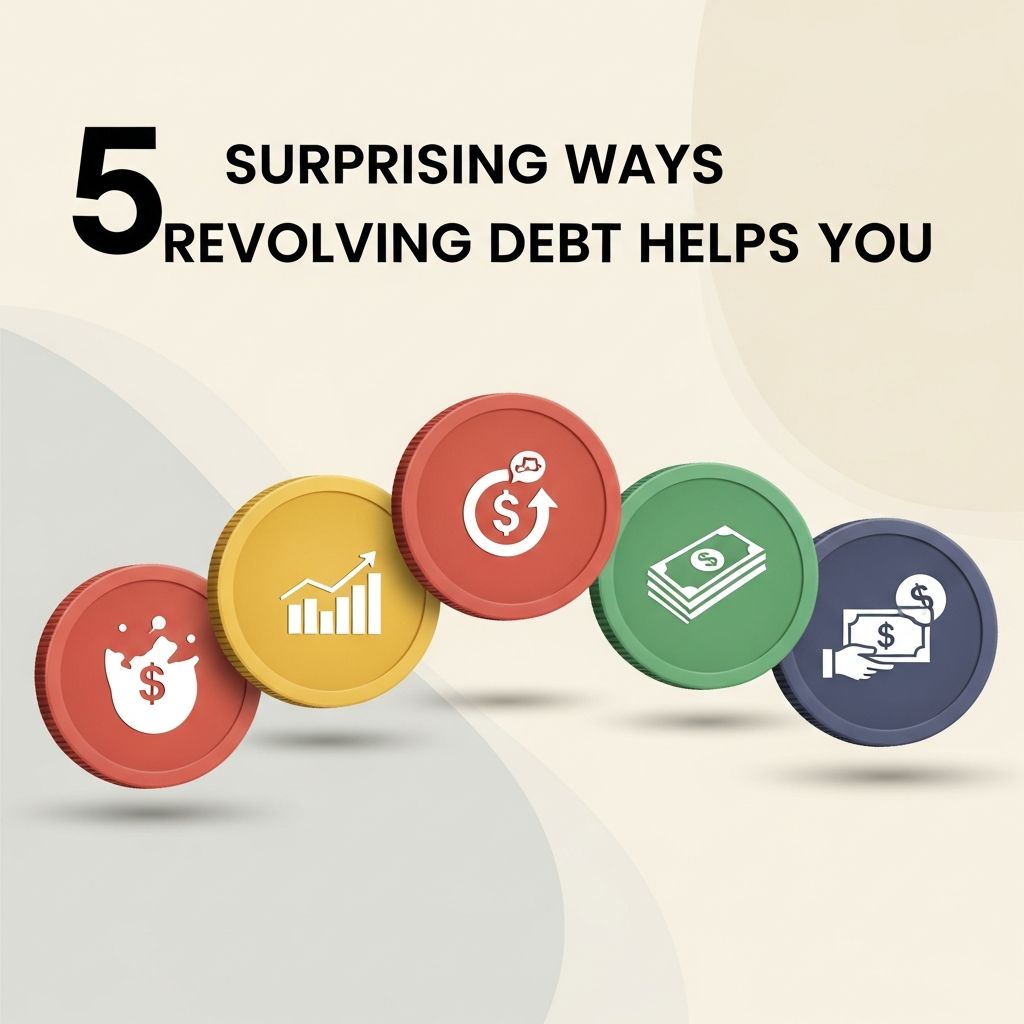
Revolving debt, including credit cards and lines of credit, often gets a bad reputation for leading to overspending. However, when managed responsibly, it offers significant advantages that can enhance your financial well-being. Unlike installment loans with fixed payments, revolving debt allows you to borrow up to a limit, repay, and borrow again as needed, providing flexibility for everyday and unexpected expenses. This article explores five surprising ways revolving debt can help you build wealth, manage cash flow, and achieve financial stability.
What Is Revolving Debt?
Revolving debt is a type of credit that lets you borrow money up to a predetermined limit without reapplying each time. Common examples include credit cards and home equity lines of credit (HELOCs). You only pay interest on the amount borrowed, not the full limit, and as you repay, your available credit replenishes. This structure provides unmatched flexibility compared to traditional loans, making it ideal for handling variable cash flows or short-term needs.
Key features include:
- Flexible borrowing: Draw funds as needed without new applications.
- Interest on used amount only: Pay less if you borrow minimally.
- Repayment variability: Minimum payments or full payoff, suiting your cash flow.
1. Builds and Improves Your Credit Score
One of the most surprising benefits of revolving debt is its role in building a strong credit history. Responsible use—keeping balances low and payments on time—positively impacts your credit score. Credit scoring models like FICO heavily weigh payment history (35%) and credit utilization (30%), both of which revolving accounts directly influence.
By maintaining utilization under 30% of your limit, you demonstrate financial responsibility, which can lead to better loan terms, lower interest rates, and higher credit limits over time. For those new to credit, a secured credit card acts as revolving debt to establish a positive track record without high risk.
| Credit Factor | Impact of Revolving Debt | Tip for Optimization |
|---|---|---|
| Payment History | On-time payments boost score | Automate payments |
| Utilization Ratio | Low balances improve score | Keep under 30% |
| Credit Mix | Adds variety to profile | Combine with installment loans |
Businesses also benefit, as consistent use enhances business credit profiles for future funding.
2. Provides Flexible Cash Flow Management
Revolving debt excels in smoothing cash flow fluctuations, especially for individuals with irregular income or seasonal expenses. Need to cover payroll, inventory, or bills before your next paycheck? Draw from your line without rigid schedules.
For example, freelancers or gig workers can use credit cards to bridge gaps between payments, repaying when income arrives. This flexibility prevents overdrafts or high-interest payday loans. Seasonal businesses postpone repayments during slow periods, aligning with revenue cycles.
- Handles unexpected expenses like car repairs without depleting savings.
- Supports short-term investments, such as buying inventory at a discount.
- Offers grace periods on credit cards (up to 56 days interest-free).
Unlike fixed loans, revolving options adapt to your needs, reducing financial stress.
3. Serves as an Emergency Safety Net
Life’s unpredictabilities—medical bills, home repairs, job loss—can derail budgets. Revolving debt acts as a safety net, providing instant access to funds without new applications.
With approval already in place, you avoid delays during crises. Pay minimums initially if needed, then accelerate repayment when stable. This prevents reliance on costlier alternatives and preserves emergency savings for true long-term needs. Navy Federal notes it’s helpful for emergencies while building credit.
Pro tip: Designate one low-interest card for emergencies only, keeping it at zero balance otherwise to maintain low utilization.
4. Enables Rewards and Perks
Credit cards, a prime revolving debt form, offer rewards like cash back, travel miles, or points—effectively paid to use money wisely. Responsible users earn 1-5% back on purchases, offsetting costs.
Examples:
- Grocery cards: 4% cash back on food.
- Travel cards: Free checked bags, lounge access.
- Sign-up bonuses: $200+ after minimal spend.
Pay in full monthly to avoid interest, turning everyday spending into free perks. Businesses gain similar benefits with corporate cards for travel rewards.
5. Offers Purchase Protection and Insurance Benefits
Many credit cards provide built-in protections surpassing debit cards or cash:
- Extended warranties: Doubles manufacturer coverage.
- Purchase protection: Reimburses theft/damage within 90-120 days.
- Travel insurance: Trip cancellation, baggage delay.
- Price protection: Refunds price drops.
These perks add value without extra cost, especially for big-ticket items. JG Wentworth highlights access to credit as a key advantage.
Risks and Responsible Use Tips
While beneficial, revolving debt risks high interest (15-25% APR) if balances carry over. Avoid by:
- Paying full balances monthly.
- Tracking utilization below 30%.
- Using only for needs, not wants.
- Consolidating high-interest debt if needed.
Monitor statements and set alerts to stay in control.
Frequently Asked Questions (FAQs)
Q: What counts as revolving debt?
A: Credit cards, HELOCs, personal lines of credit—anything with a reusable limit.
Q: Does revolving debt hurt your credit?
A: No, if managed well; high utilization or late payments do.
Q: Can businesses use revolving credit?
A: Yes, for cash flow, inventory, and growth[10].
Q: How to avoid interest on credit cards?
A: Pay in full during grace period (20-56 days).
Q: Is revolving debt better than installment loans?
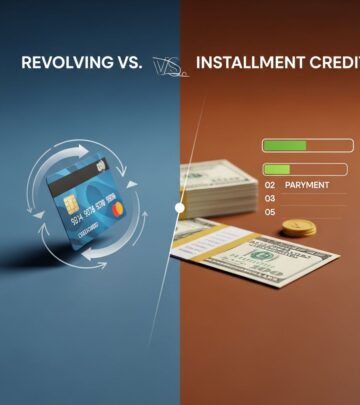
A: For flexibility yes, but loans suit fixed large purchases.
References
- What is Revolving Debt? — JG Wentworth. 2023. https://www.jgwentworth.com/resources/what-is-revolving-debt
- The Benefits of a Revolving Line of Credit for Your Business — Callaway Bank. 2023. https://www.callawaybank.com/the-benefits-of-a-revolving-line-of-credit-for-your-business/
- What is Revolving Credit? Key Features and Benefits Explained — Fund Onion. 2024. https://www.fundonion.com/blog/what-is-revolving-credit
- Revolving credit: What is it and why is it so valuable for SMBs? — GetDefacto. 2024. https://www.getdefacto.com/article/revolving-credit
- How Revolving Credit Can Keep Your Financial Life In Balance — Utah First. 2023-02-17. https://utahfirst.com/how-revolving-credit-can-keep-your-financial-life-in-balance/
- Revolving Debt – A Line of Credit with No Repayment Schedule — Corporate Finance Institute. 2024. https://corporatefinanceinstitute.com/resources/commercial-lending/revolving-debt/
Similar Articles








Read full bio of Sneha Tete